
Asian Wooden Table
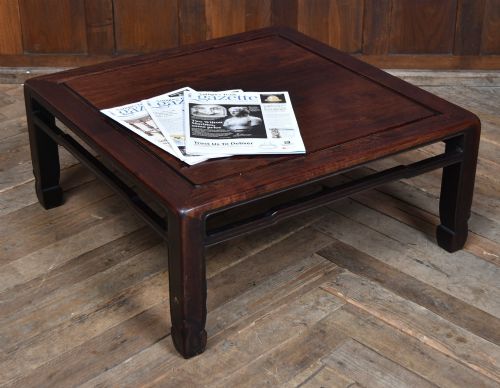
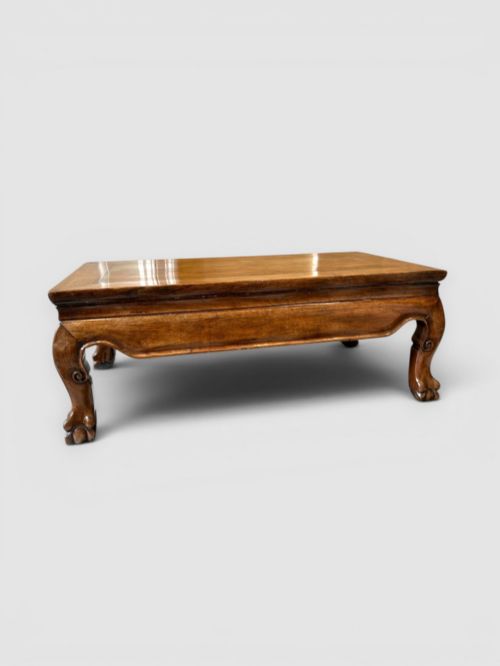
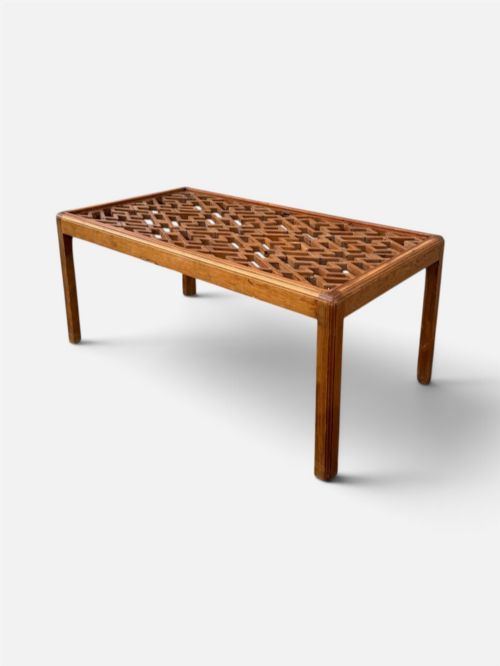
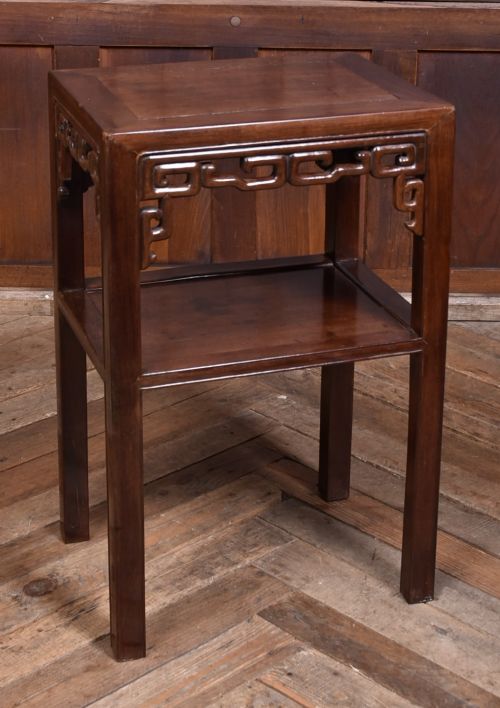
An asian wooden table brings grounding texture and rich grain to a room, ranging from low opium designs to structured coffee tables.
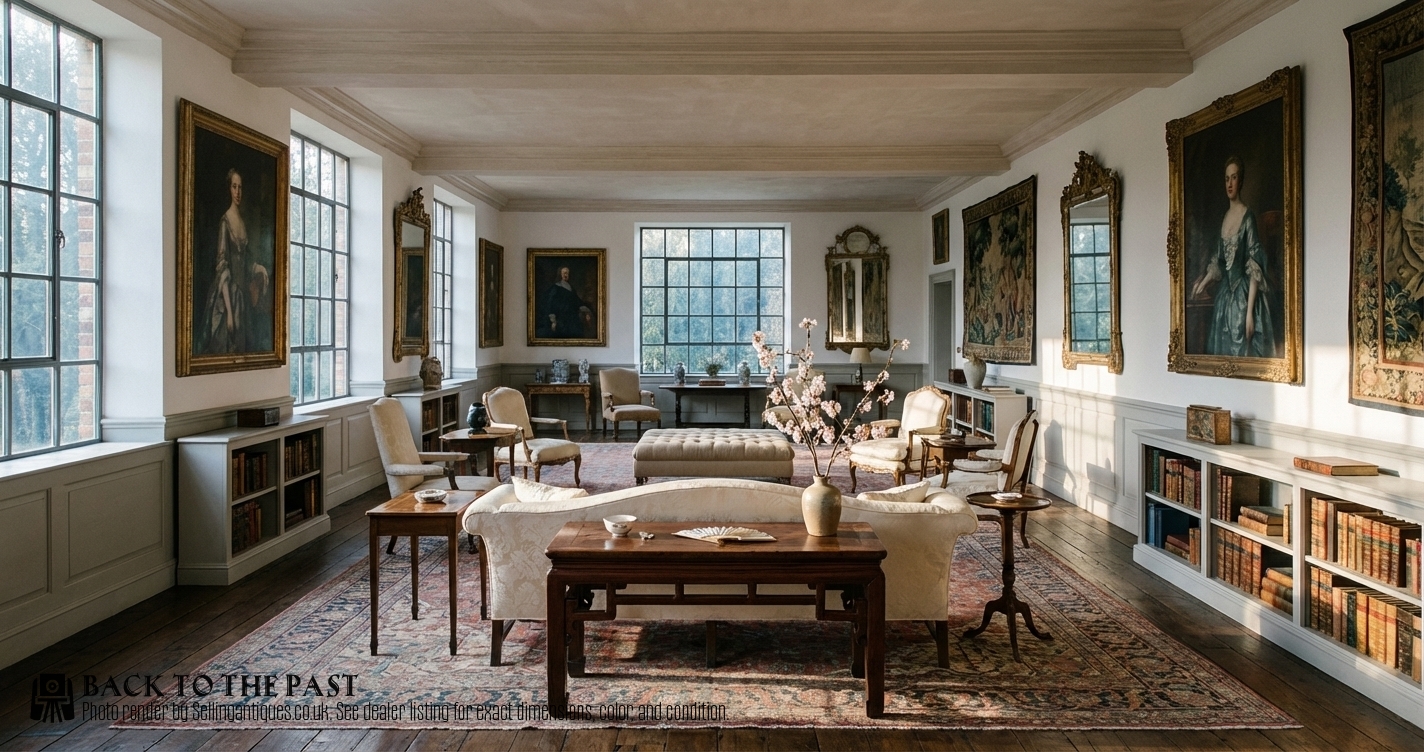
Asian Wooden Table
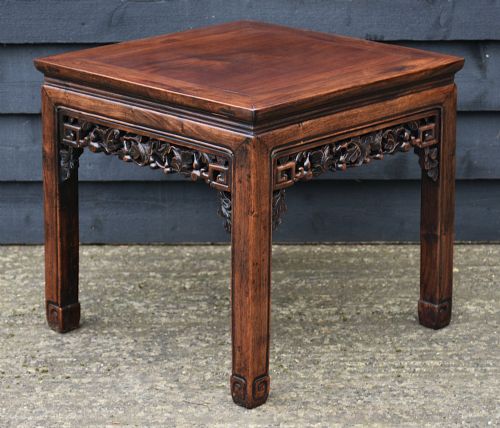
An asian wooden table encompasses diverse low tables, coffee tables, and side tables originating from the nineteenth and early twentieth centuries. These forms reflect traditional Chinese and Japanese craftsmanship, spanning provincial elm designs and formal rosewood pieces.
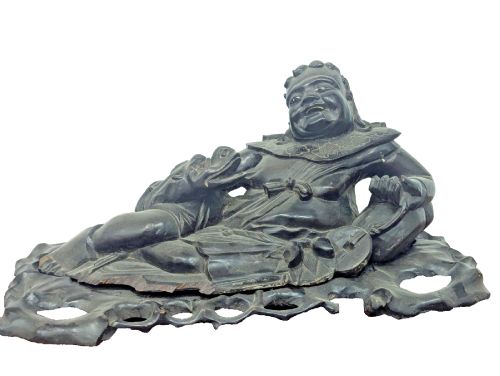
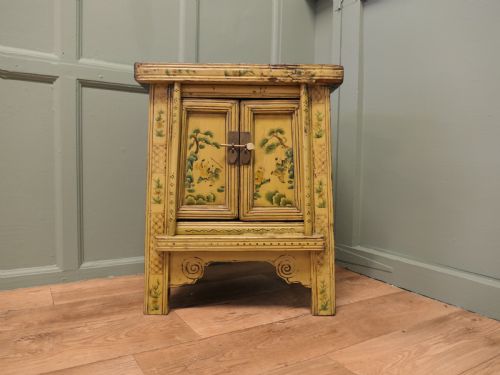
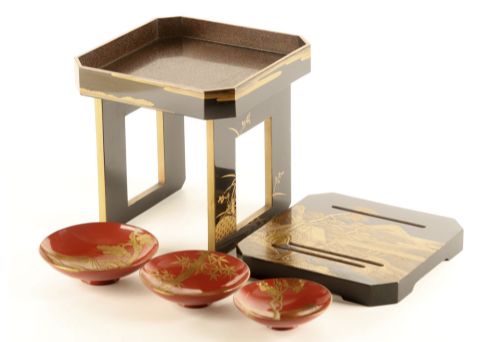
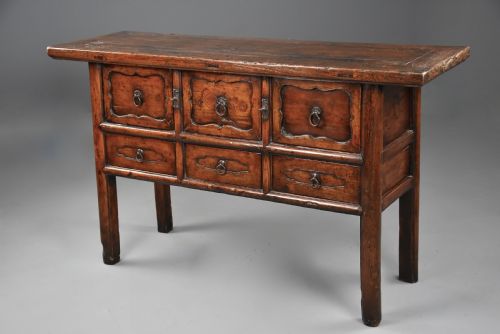
The selection ranges from rustic elm dressers and side tables to intricately carved rosewood low tables and lacquer surfaces. Structural variety includes folding fire screens, pedestal stands, and plant stands featuring brass or glass elements.
Materials and Technique
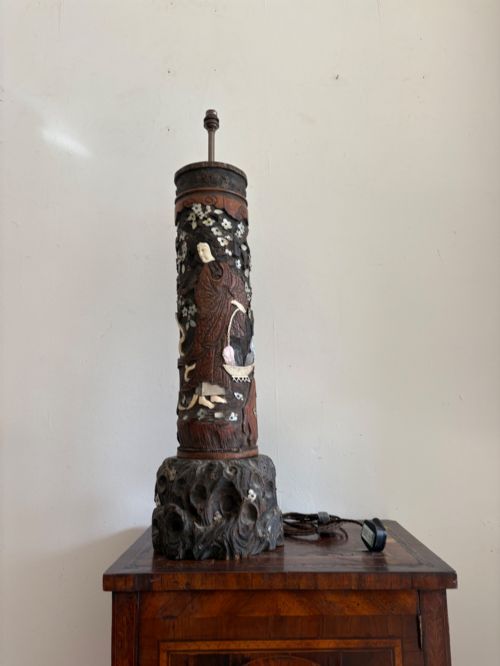
Joinery relies on dense timbers like rosewood, padouk, Huanghuali, and elm, selected for stability and pronounced grain patterns. Artisans also incorporate brass hardware, glass tops, and inlaid mother of pearl to accent the primary wooden structures.
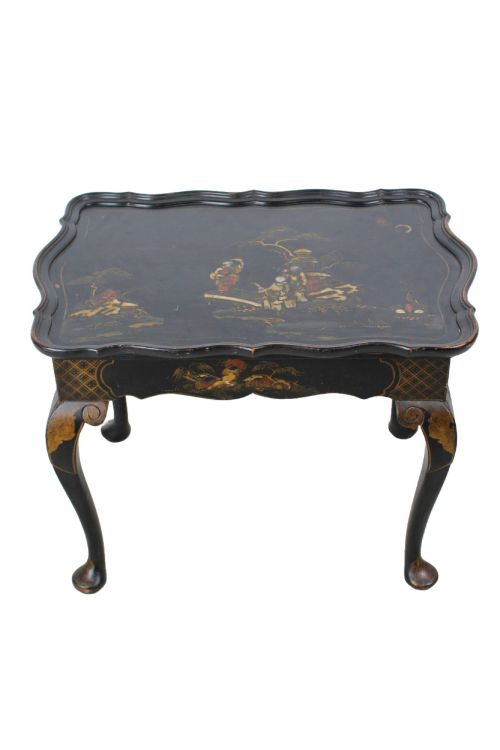
Surface finishes include traditional lacquer, original patinated wax, and carved detailing that highlights the natural characteristics of the hardwood. Construction often employs precise interlocking joints without relying on modern fixings.
Some tables double as fire screens, proving that Victorian multitasking was not limited to tea strainers and pocket watches.
Evaluating the Pieces
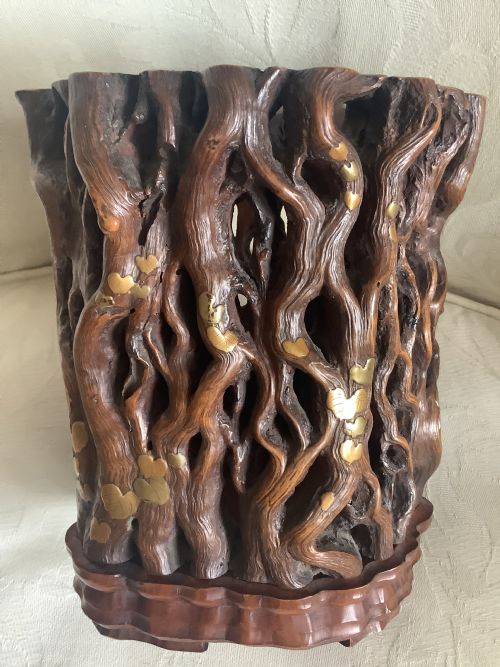
Excellence in an asian wooden table rests on the depth of the timber's grain and the integrity of the original surface patina. Superior examples display crisp hand-carving and balanced proportions that respect traditional regional forms.
Structural refinement distinguishes finer pieces, particularly in the precision of the joinery and the preservation of original lacquered or waxed finishes. The weight of the hardwood and the subtlety of decorative brass fittings further indicate the standard of production.
The Asian Wooden Table Glossary
- Opium table
- A low wooden table traditionally used for reclining while smoking, dining, or socializing. These pieces sit close to the floor and often feature simple recessed leg construction.
- Hibachi
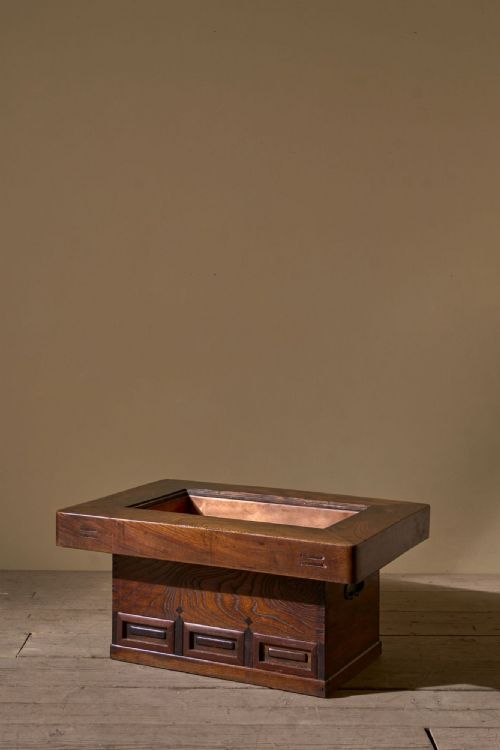
- A traditional Japanese heating device or container, frequently mounted within a wooden table structure for interior warmth. They utilise inset metal linings to safely hold charcoal.
- Elm
- A durable hardwood native to China, utilised extensively for provincial furniture and rustic tables. It exhibits a distinctive fibrous grain and accepts patinated finishes well.
- Meiji Period
- The era in Japanese history spanning from 1868 to 1912, characterised by refined carving and decorative arts. Furniture from this time often integrates intricate metalwork and polished hardwoods.
- Rosewood
- A dense, heavy timber prized for its dark colour and striking natural grain variations. Makers utilised various dense Asian rosewoods for formal tables and scholar's furniture.
Asian Wooden Table: Frequently Asked Questions
How do I style a low table?
Position a low table as a central coffee piece in a contemporary sitting room to create a grounded focal point. Pair the low profile with simple ceramics or books to respect the proportions of the timber.
Ensure adequate clearance around the piece so the carved details and wood grain remain visible. Mixing the dark hardwood with lighter textiles provides a balanced contrast in modern spaces.
What is a nest of tables used for?
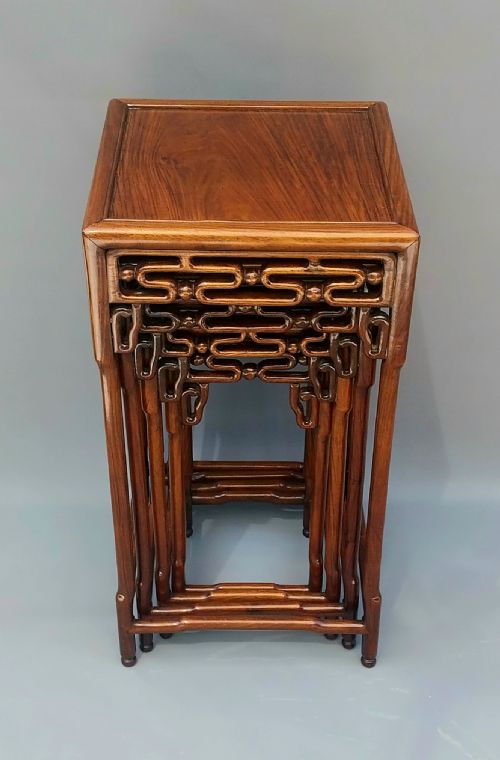
A nest of tables provides flexible surface space that can be expanded or stacked together depending on room requirements. They were traditionally deployed for serving tea or holding small decorative objects.
In contemporary homes, individual tables from the nest can be distributed across a room as side surfaces. Stacking them when not in use preserves floor space while displaying the graduated sizing of the woodwork.
How do I care for antique hardwood?
Maintain antique hardwood by dusting regularly with a soft, dry cloth and avoiding placement near direct heat sources. Excessive temperature fluctuations can cause the dense timber to split.
Apply a microcrystalline wax sparingly if the surface appears dry, avoiding modern silicon polishes. Preserving the original patina depends on gentle, consistent maintenance rather than heavy restoration.
How do I identify Chinese provincial furniture?
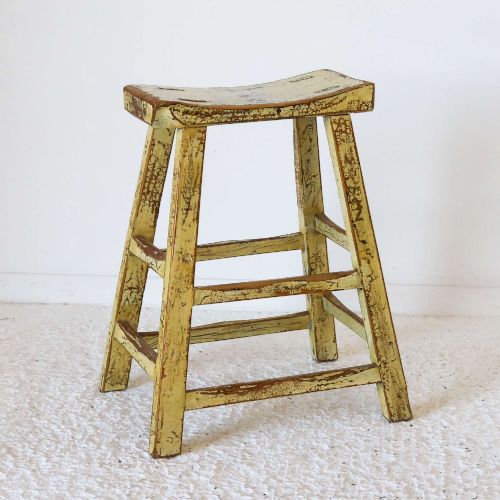
Chinese provincial furniture typically utilises domestic timbers like elm or local softwood rather than imported rosewoods. These pieces emphasise functional utility and sturdy construction over elaborate court decoration.
Look for honest joinery, simple lines, and surfaces shaped by decades of use and patination. The restrained aesthetic reflects the practical daily life of the regions where they were made.