


Asian Wooden Coffee Table
These low Asian wooden coffee table pieces bring centuries of carved timber and regional craftsmanship directly into modern sitting rooms.
Asian Wooden Coffee Table
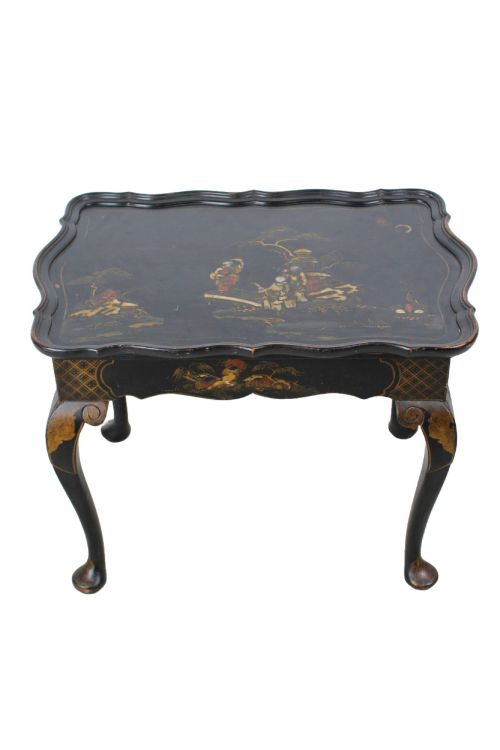
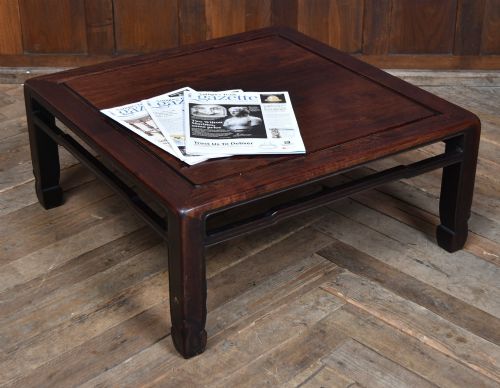
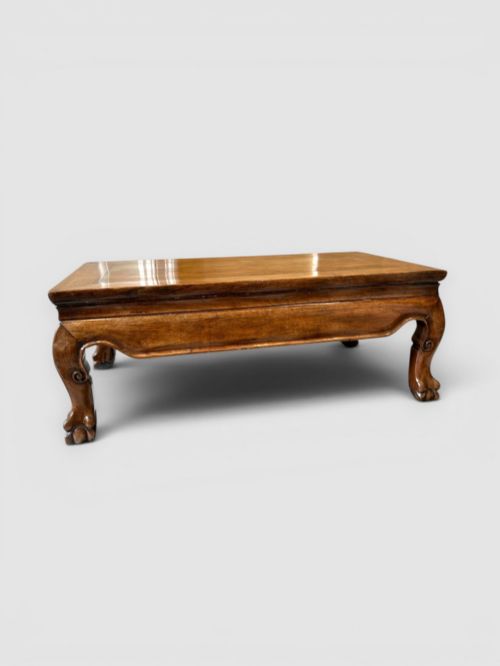
When someone searches for an asian wooden coffee table, they are looking at low surface furniture originating from various eastern traditions, often adapted from traditional forms such as opium tables, kang tables, or low scholar tables. The selection ranges from nineteenth century examples in dense hardwoods to early twentieth century pieces featuring carved panels and nests of graduated tables.
Buyers are most likely to encounter nineteenth century Chinese hardwood low tables, rustic elm pieces, and various nests of tables featuring traditional joinery. These low forms suit contemporary living spaces well, functioning effectively as central coffee tables while maintaining their historic character.
Materials and Construction
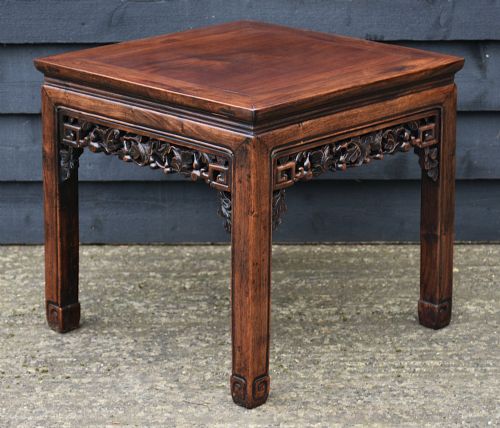
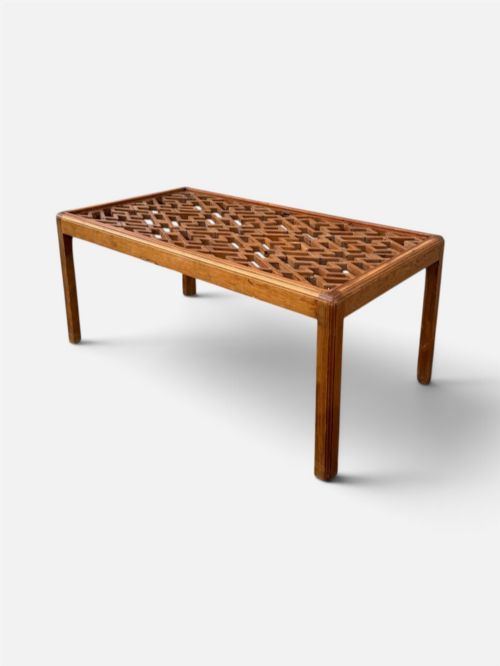
The pieces listed utilise dense timbers such as rosewood, padouk, hongmu, and elm, often selected for durability and distinctive grain patterns. Workshops employed traditional joinery methods alongside detailed hand carving depicting dragons, foliage, and geometric fretwork panels.
Surface finishes include clear polished patinas, red lacquer work, and glass tops added to protect antique fretwork panels. Some examples incorporate burrwood inserts or iron details, while others rely entirely on the natural qualities of the hardwood.
Common forms include low opium tables, Kang tables, and nests of four graduated tables.
Distinctions in Quality
Quality rests in the selection of the timber and the crispness of the hand carving rather than surface decoration alone. Dense woods like rosewood and padouk generally indicate a higher grade of manufacture than softer domestic timbers.
The integrity of the traditional joinery and the preservation of the original patina determine the standing of an individual piece. Finer examples retain their structural stability and authentic surface wear accumulated over centuries of use.
The Asian Wooden Coffee Table Glossary
- Opium table
- A low rectangular wooden table traditionally used in domestic settings across China for dining or smoking. These pieces typically feature short legs, sometimes carved or curved.
- Kang table
- A low platform table designed to sit atop a heated brick sleeping platform in northern Chinese homes. They share the low profile sought after in modern coffee table usage.
- Padouk
- A heavy, durable tropical hardwood displaying reddish or dark brown tones. It was frequently utilised for fine nineteenth century Chinese furniture.
- Chabudai
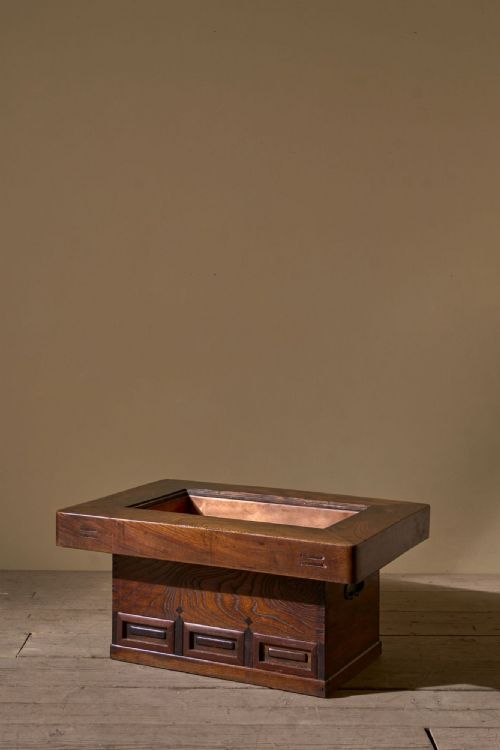
- A short traditional Japanese table used for sitting on tatami mats during meals or tea ceremonies. These low wooden pieces often date to the Meiji or Edwardian periods.
- Nest of tables
- A set of graduated tables designed to slide neatly beneath one another when not in use. They appear frequently in rosewood, elm, and Chinoiserie styles.
Asian Wooden Coffee Table: Frequently Asked Questions
What is an Asian wooden coffee table?
These pieces comprise low historic tables adapted from traditional eastern forms such as opium tables, kang beds, and tea tables. They are built from hardwoods like rosewood, padouk, and elm.
Craftsmen often decorated these surfaces with hand carved dragons, fretwork panels, or finished them in red lacquer. Their low profile makes them suitable for modern living rooms.
How were these low tables used originally?
Historic low tables served multiple domestic functions in traditional households, including dining, writing, and displaying decorative objects. Many sat upon raised sleeping platforms or mats where people sat at floor level.
Over time, western interior design adopted these sturdy surfaces for use as low coffee tables. Their compact dimensions fit well in front of modern sofas.
How do I identify nineteenth century pieces?
Nineteenth century examples generally display dense hardwoods like hongmu, padouk, or rosewood, combined with traditional joinery without modern metal fasteners. Look for a deep, natural patina developed through decades of handling.
Carved details on earlier pieces tend to be hand executed with distinct depth and individual character. Stylistic markers include Qing Dynasty motifs and traditional scholar table proportions.
Are nest of tables practical for daily use?
Graduated nests of tables offer flexible surface space that can be expanded or tucked away as needed. They provide convenient small surfaces for drinks or books without cluttering a room.
Care should be taken to place them on stable flooring to protect the traditional joints. Using coasters helps preserve the historic polished surfaces.