

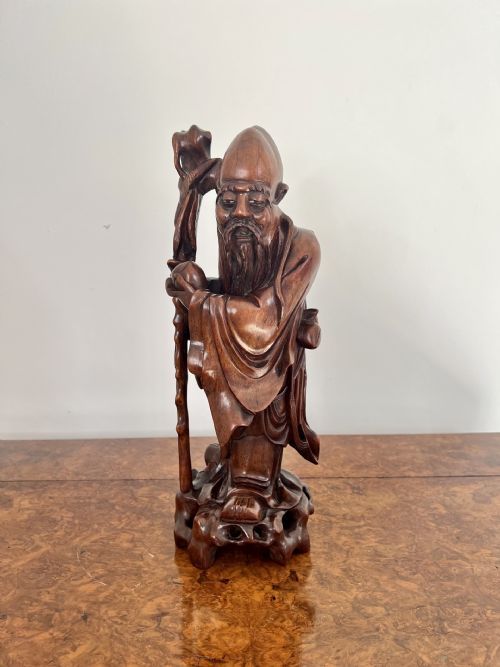
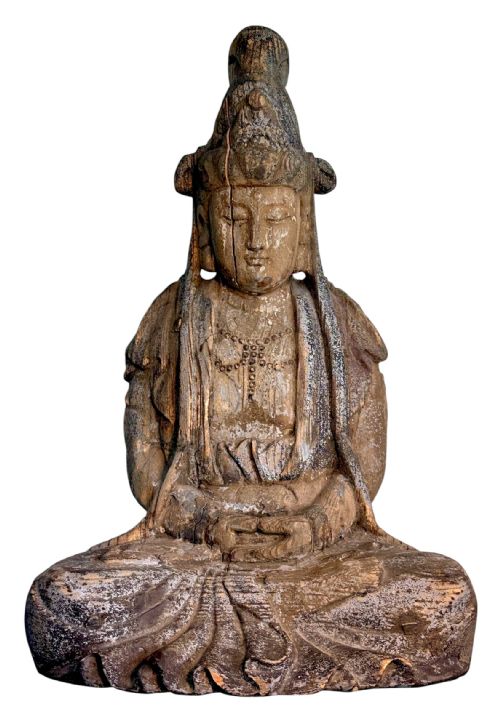

Asian Wood Sculpture
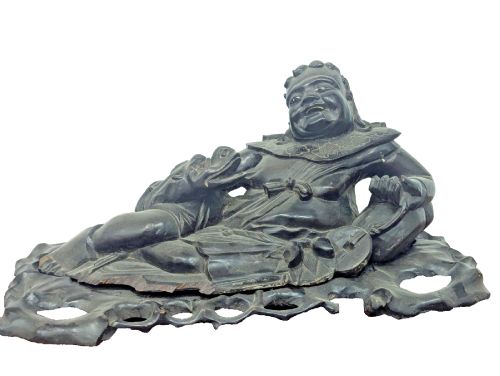
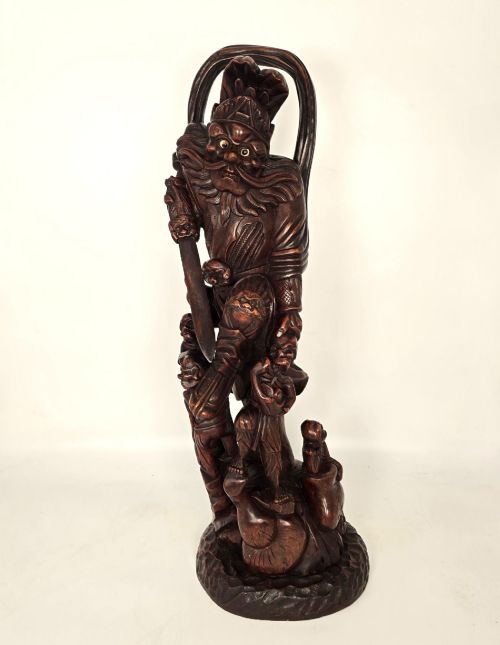
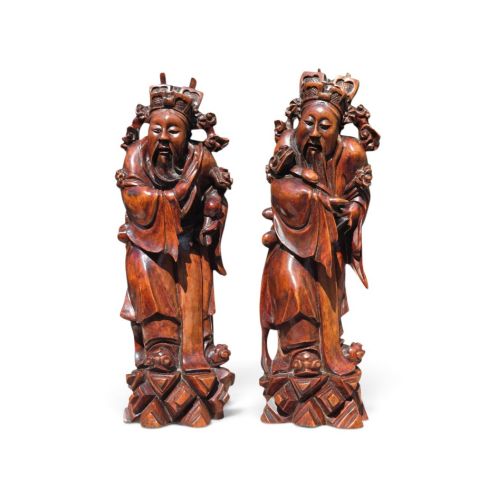
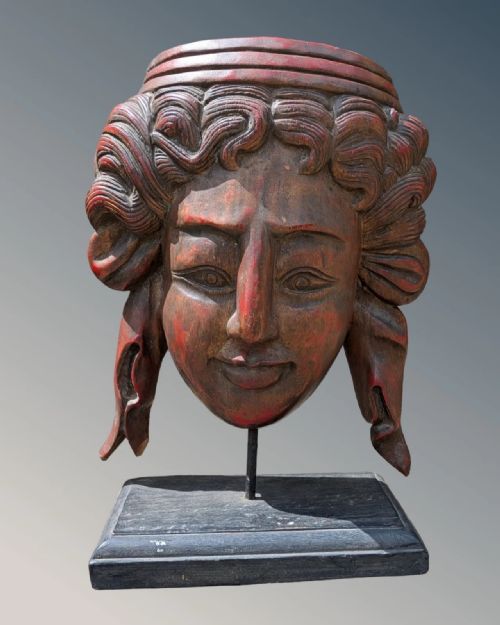
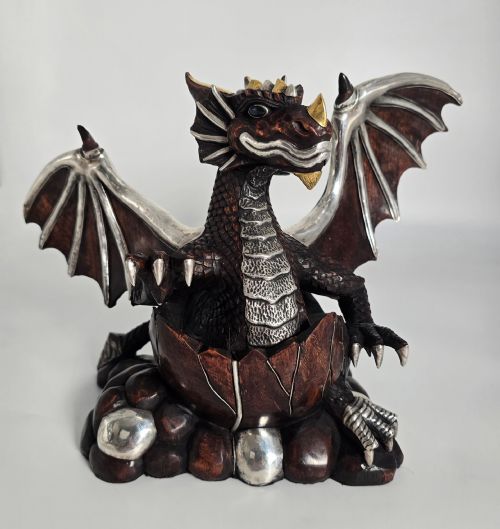
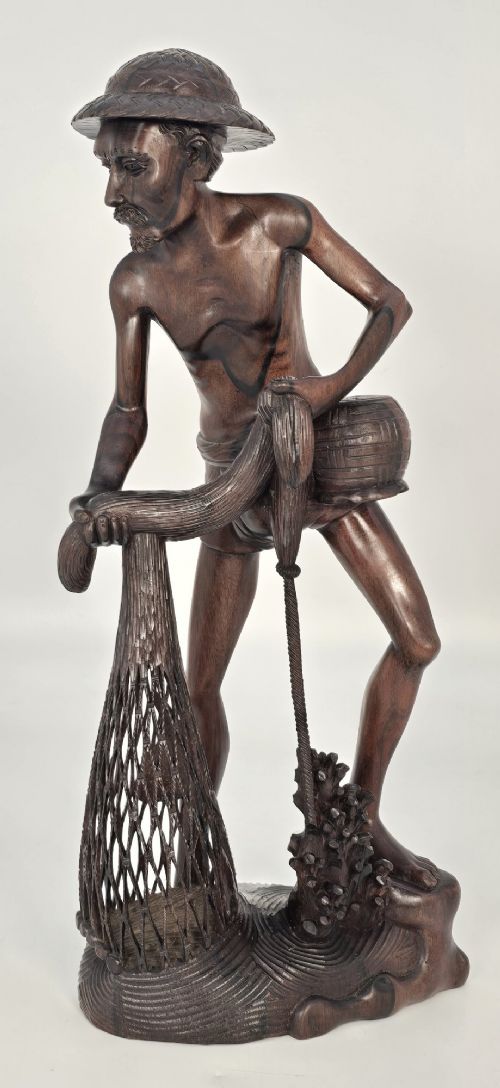
These pieces of asian wood sculpture bring carved deities, animals and figures from Chinese, Japanese, Burmese, Indonesian and Tibetan traditions into your interior.
Asian Wood Sculpture
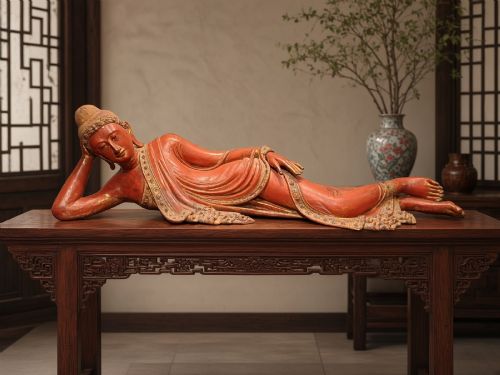
An asian wood sculpture encompasses figures of Buddhist immortals, Daoist deities, temple guardians, animals and human subjects created across centuries in Asia. These works emerge in forms ranging from monumental temple figures and guardian kings to miniature boxwood netsuke and okimono.
The pieces listed span multiple historical periods, notably the 18th and 19th centuries, alongside later works from the early 20th century. Chinese hardwood figures, Japanese Meiji period carvings and Burmese Buddha representations dominate the physical landscape of these items.
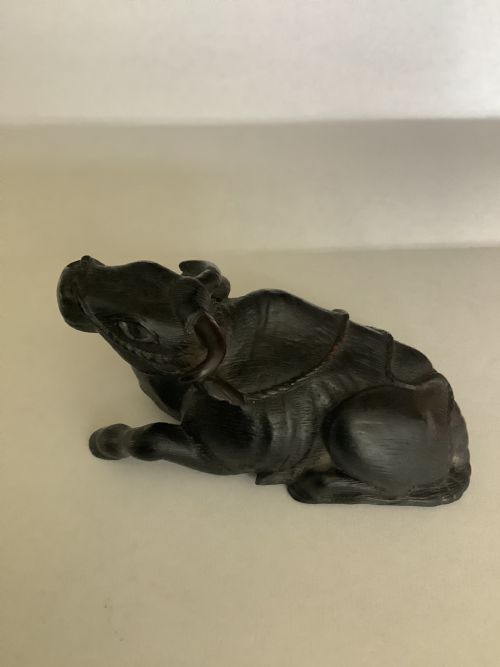
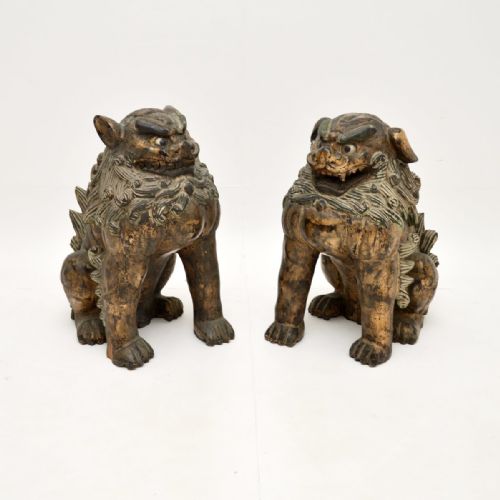
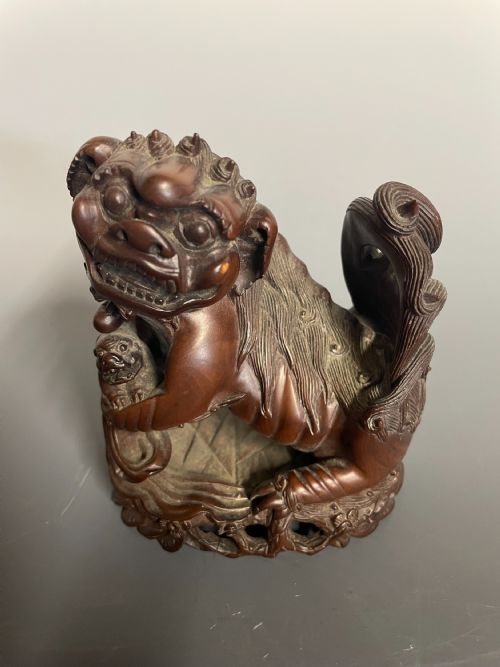
Objects take the shape of standing or reclining figures, temple masks, animal models such as foo dogs and tigers, and functional elements like rootwood stands. Buyers encounter everything from small hand-held carvings to large ritual statues requiring dedicated floor or table placement.
Materials and carving techniques
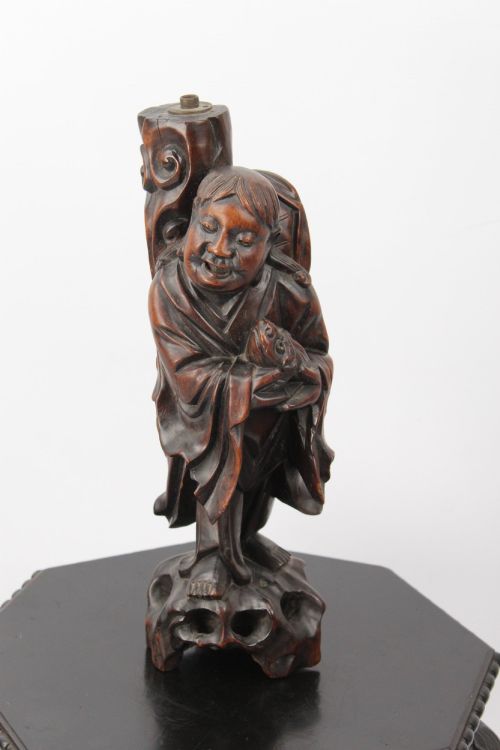
Artisans utilised dense woods, boxwood, root wood and general hardwood as the primary physical medium for carving these subjects. The natural grain and organic knots of root wood frequently dictated the resulting posture or form of the finished figure.
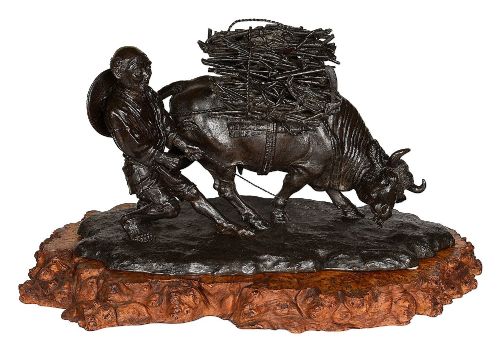
A solitary wooden frog or a pack horse carved from timber waits quietly to guard your bookshelf.
Defining quality in antique carving
The precision and depth of the chisel work distinguish superior carvings from simpler decorative items. Master carvers achieved remarkable definition in hands, robes and hair, whereas lesser examples display simplified planes and softer contours.
The survival of original surface finishes such as polychrome paint, gilding and lacquer heavily influences the integrity of a piece. Examples retaining their untouched historic surfaces demonstrate greater fidelity to their original ritual or domestic context.
The Asian Wood Sculpture Glossary
- Netsuke
- A small carved toggle fastened to the end of a cord connecting a traditional Japanese pouch or container to a kimono sash.
- Okimono
- A small Japanese display carving intended for placement in a traditional home interior or alcove.
- Foo Dog
- A traditional guardian lion sculpture placed to ward off evil spirits and protect a space.
- Polychrome
- Decoration utilising multiple distinct colours applied to the surface of the wood sculpture.
- Root wood
- Timber sourced from the gnarled underground root system of a tree, prized for its organic and irregular grain patterns.
Asian Wood Sculpture: Frequently Asked Questions
Where were these sculptures originally displayed?
Many larger temple figures and guardian statues stood within sacred Buddhist or Daoist shrines in China, Tibet or Burma for ritual veneration. Smaller figures, okimono and netsuke belonged in private Japanese and Chinese domestic settings.
Over time, travellers and collectors brought these pieces into Western homes, where they function as standalone decorative or contemplative works of art.
How do I care for antique wood sculptures?
Keep carved wooden objects away from direct sunlight and sudden temperature shifts to prevent the timber from drying out or splitting. Dust them gently with a dry, soft cloth without applying modern chemical polishes.
Maintain stable indoor humidity levels to preserve delicate surface details like old gold leaf and polychrome paint.
What is the difference between an okimono and a netsuke?
A netsuke is a small functional toggle pierced with cord holes, designed to secure a suspended pouch on traditional Japanese dress. An okimono is strictly a decorative display sculpture made to sit independently on a shelf or table.
Both forms share similar subjects and fine boxwood or hardwood carving techniques from the Meiji period.
How are periods like the Meiji period identified?
The Meiji period corresponds to the reign of the Japanese emperor from 1868 to 1912, characterised by distinct aesthetic standards in boxwood and hardwood carving. Chinese pieces often reference dynastic eras such as the Qing Dynasty or specific reigns.
Stylistic markers, subject matter and signature formats help connect individual carvings to these historical spans.