
Asian Textile Wall Hanging
An asian textile wall hanging brings centuries of nomadic and courtly needlework into modern interiors through vibrant embroidered panels and woven tribal trappings.
Asian Textile Wall Hanging
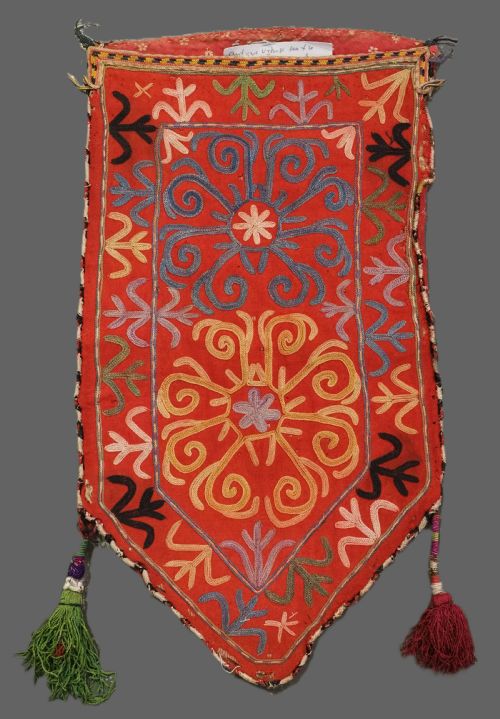
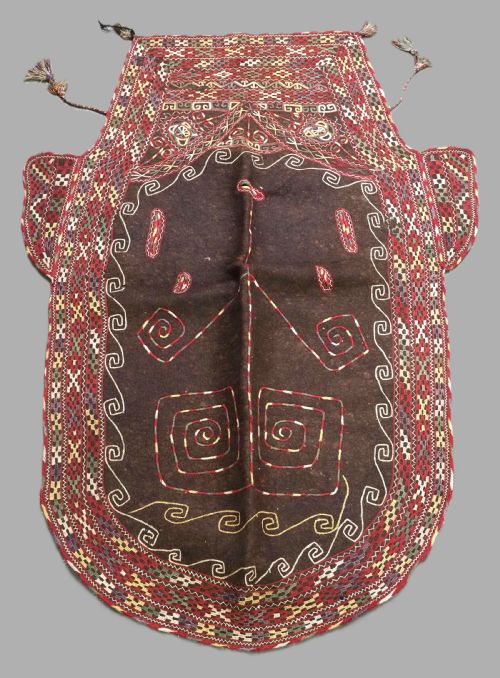
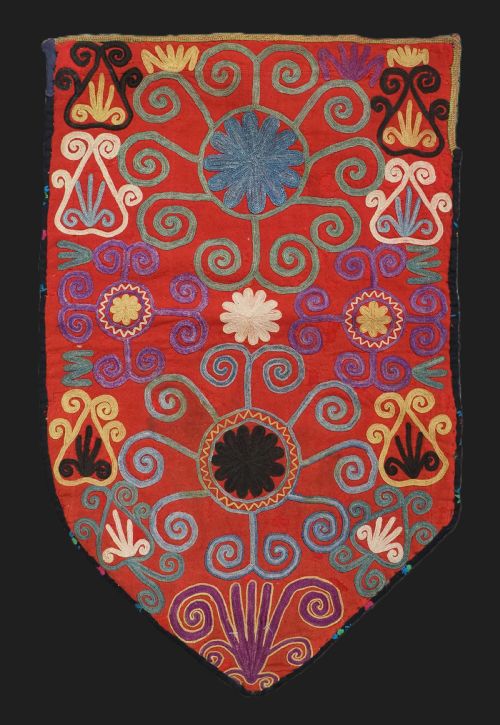
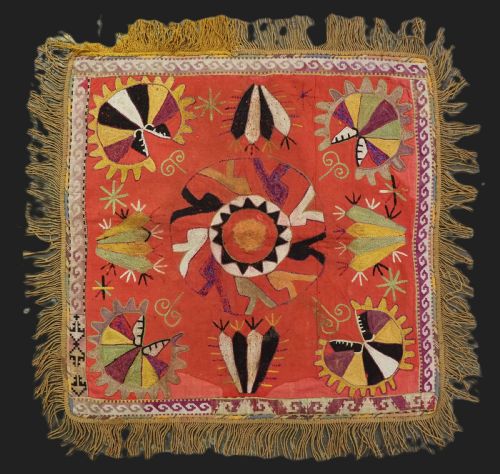
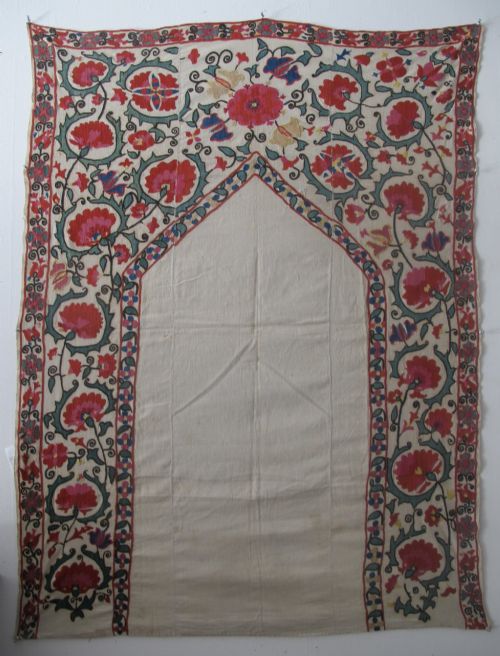
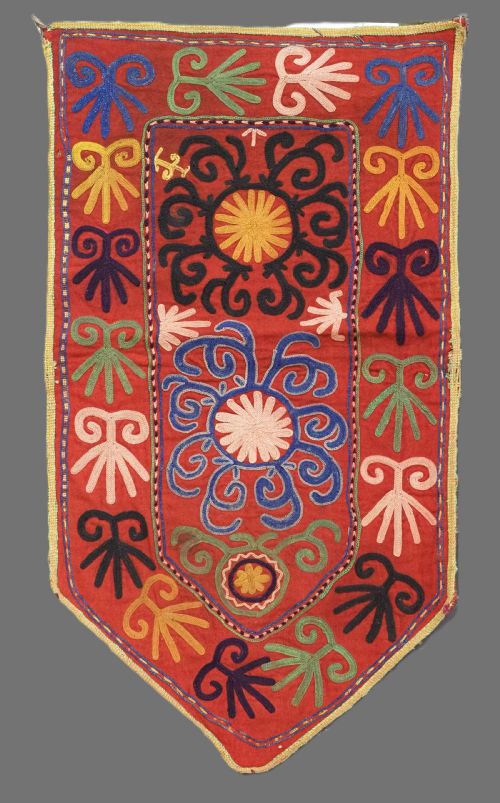
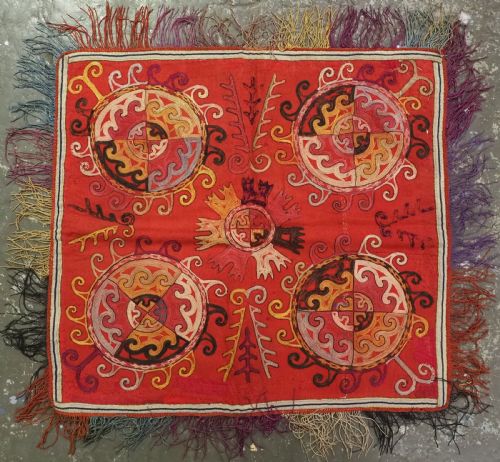
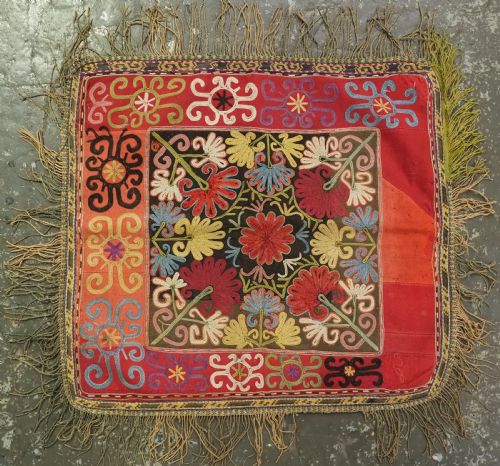
When you search for an asian textile wall hanging, you encounter a diverse range of historic pieces originating primarily from Central Asian regions such as Uzbekistan and Turkmenistan. These items span from the mid-nineteenth century to the mid-twentieth century and encompass various tribal and traditional forms.
While many of these textiles were originally created for functional domestic use, ceremonial rites, or dowries, their intricate designs and rich palettes lend themselves naturally to display as wall art in contemporary settings.
Materials and construction methods
The creation of these textiles relies heavily on natural materials including wool, hand-spun wool, felted wool, cotton, and silk, often decorated with fine silk thread. Artisans utilised natural dyes to achieve deep, enduring colours across the fabrics.
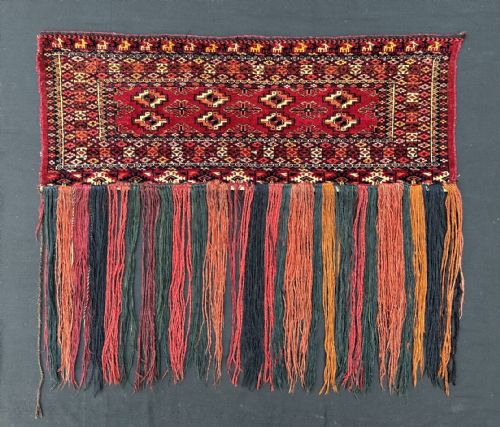
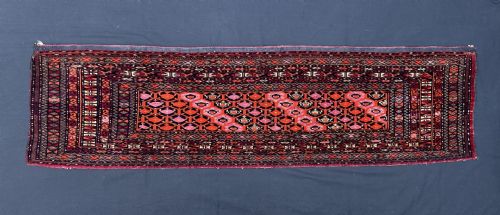
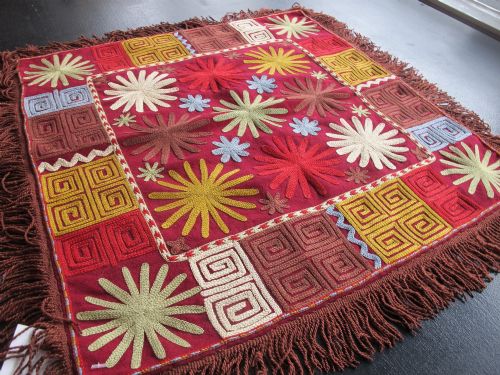
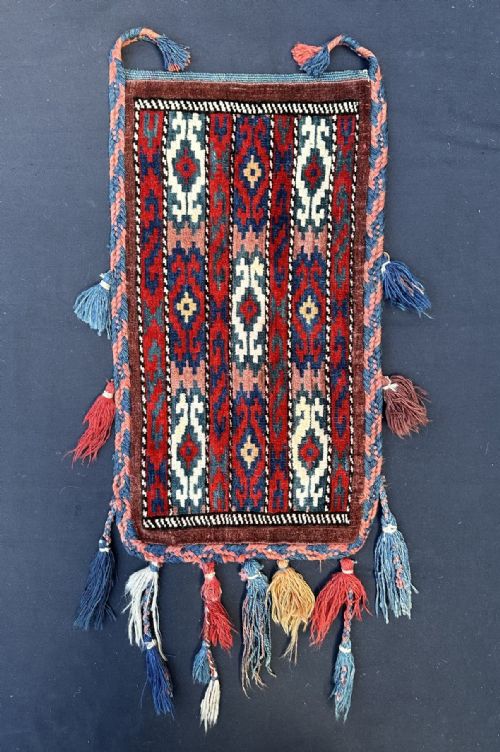
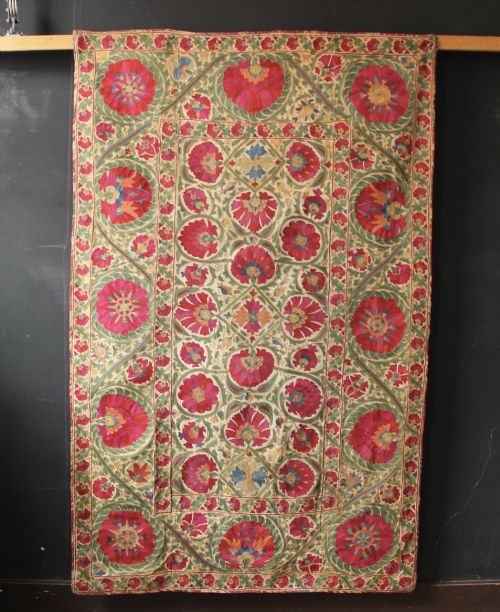
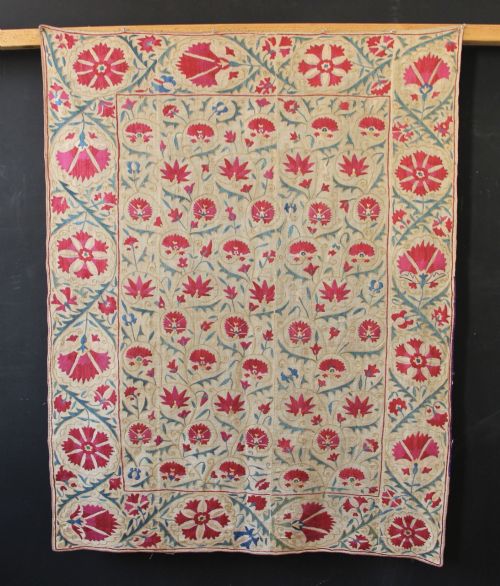
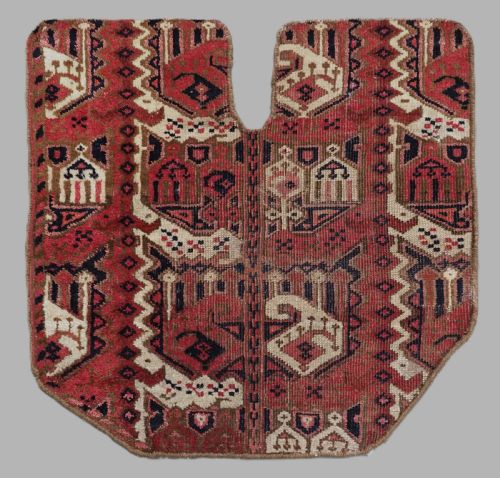
Needlework techniques such as precise embroidery define pieces like Suzanis and Lakai ilgich, whereas items like Yomut and Tekke Turkmen bags or horse blankets showcase dense tribal weaving and felt-making traditions.
Several antique horse blankets survived centuries of nomad camps simply because they were too handsome to put on a horse.
Factors that distinguish individual pieces
Quality in these textiles resides in the fineness of the weave, the complexity of the needlework, and the clarity of the composition. Dense, precise stitching and well-balanced geometric or floral layouts elevate certain works above simpler productions.
The preservation of original materials, including natural dyes and early silk threads, significantly influences the integrity of each textile. Pieces demonstrating careful execution by skilled tribal or regional makers display greater visual depth and structural cohesion.
The Asian Textile Wall Hanging Glossary
- Ilgich
- A small embroidered hanging produced by the Lakai tribe of Uzbekistan. These works are characterised by dynamic, abstract geometric patterns.
- Asmalyk
- A ceremonial bridal camel trapping produced by Turkmen tribes. They are typically pentagonal in shape and richly decorated.
- Chuval
- A large storage bag face made by Turkmen tribes, featuring distinctive güls or primary medallions. They were used inside nomadic tents.
- Natural Dyes
- Colourants derived from plants, insects, and minerals used before the widespread adoption of synthetic alternatives. They impart a rich, varied patina to wool and silk.
Asian Textile Wall Hanging: Frequently Asked Questions
How were Suzanis originally used?
Suzanis served primarily as decorative wall panels, bed covers, or ceremonial hangings within traditional Central Asian homes. Families prepared them as part of a daughter's dowry.
Over generations, these large silk-embroidered textiles became treasured heirlooms, valued for their vibrant floral and architectural designs that symbolised wealth and well-being.
How do I care for a textile wall hanging?
Protect antique textiles by mounting them away from direct sunlight to prevent the fading of natural silk and wool colours. Gentle framing behind glass or professional mounting distributes the weight evenly.
Avoid humid environments and keep the fabric clean by allowing professionals to handle any necessary conservation.
What distinguishes Turkmen tribal trappings?
Turkmen tribal trappings include horse covers, saddle bags, and tent bands woven by groups such as the Yomut, Tekke, and Ersari. These items utilise durable wool and distinct tribal patterns.
Repeated geometric medallions known as güls help identify the specific tribe and region where each piece was made.