



Asian Silver Metalwork
Asian silver metalwork brings together intricate bowls, vessels, and boxes crafted across different regions and traditions using silver, bronze, and white metal.
Asian Silver Metalwork
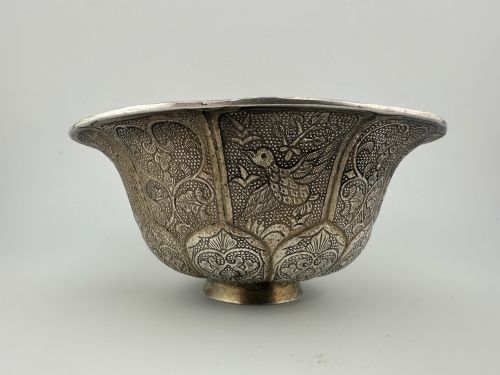
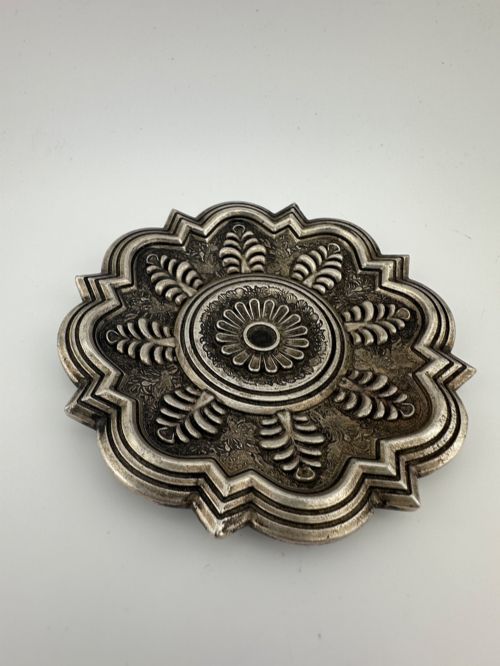
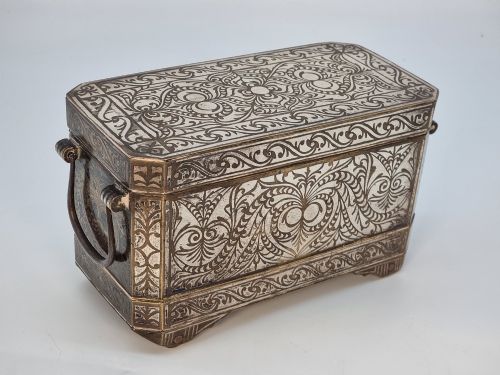
Asian silver metalwork encompasses a diverse range of decorative items, from Chinese Export white metal bowls and lotus dishes to Japanese Meiji period vessels and Tibetan copper drinking cups. Buyers seeking this phrase encounter varied forms including boxes, plaques, and spectacle cases spanning multiple centuries.
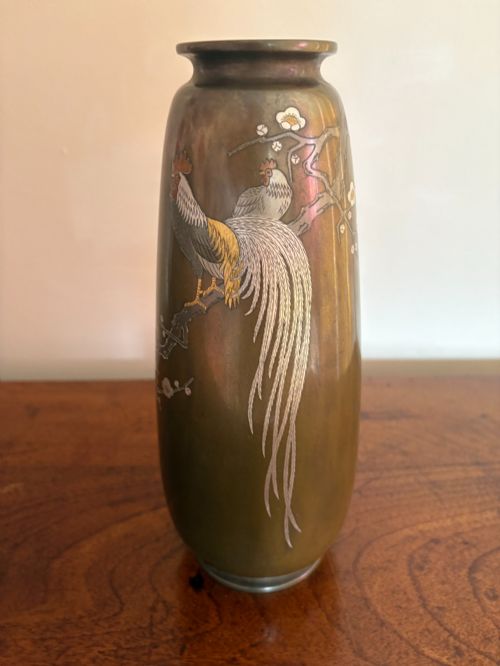
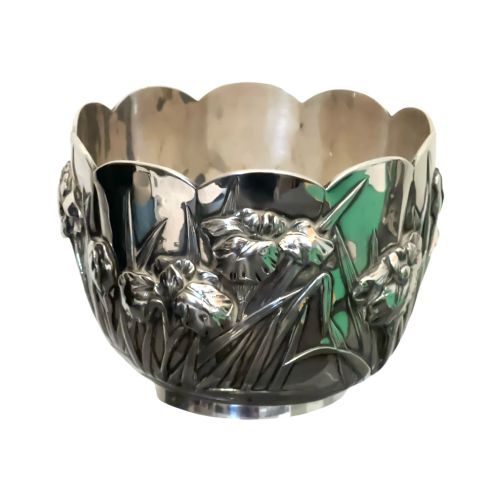
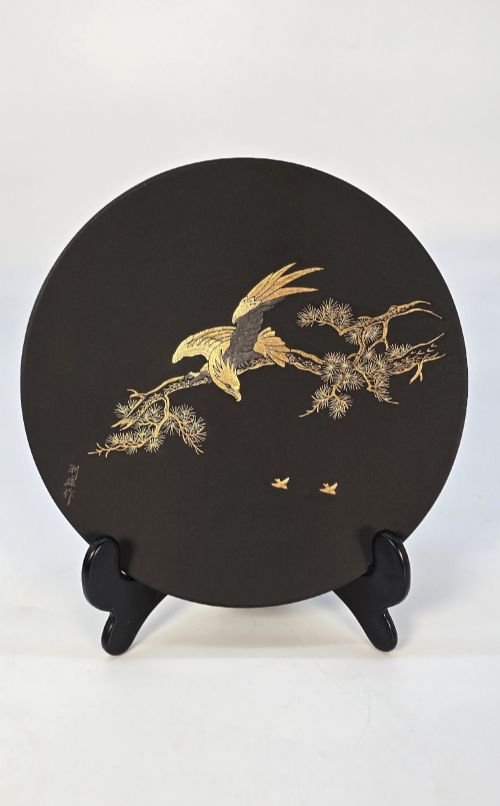
The objects frequently feature intricate ornamentation such as bird and floral motifs or inlaid precious metals upon bronze, iron, and silver alloy substrates. Pieces originate from distinct cultural traditions, including Chinese, Japanese, Tibetan, and Southeast Asian craftsmanship.
Most examples found within these listings date from the nineteenth and early twentieth centuries, capturing periods of notable export production and traditional artisanal work. Forms range from utilitarian items like betal boxes and Koro burners to purely decorative bowls and plaques.
How they were made
Metalworkers utilised casting, hammering, and patination techniques to shape bronze, copper, iron, and silver alloy into complex vessels and flat plaques. Surfaces were frequently embellished through the application of contrasting metals such as gold and silver inlay.
White metal and sterling silver components were worked with fine detail, often demonstrating repousse or chased floral and animal designs. Iron and bronze foundations received chemical patination alongside metal inlay to create depth and visual contrast.
Asian Silver Metalwork Retail Price Guide 2026
Typical asking prices for asian silver metalwork among the pieces listed under this phrase on Sellingantiques today, from the lower quarter to the upper quarter. They describe what is for sale here now, not the wider market.
Listings feature items spanning the seventeenth to the twentieth century, incorporating materials from standard silver and gold to patinated iron and bronze.
What varies in quality
The standard of Asian silver metalwork rests upon the precision of the chasing, inlay work, and overall structural integrity of the piece. Superior examples display crisp definition in motifs such as birds, florals, and figures, alongside secure and flush metal inlay.
Material composition and the weight of the silver, bronze, or white metal foundation also dictate quality, with heavier, more substantial objects offering greater presence. The finesse of the patination and the harmony of mixed metals further distinguish finer creations from simpler production.
KANASAWA
The Asian Silver Metalwork Glossary
- White metal
- An alloy of various non-precious metals often used in Chinese export wares. It typically exhibits a silvery appearance reminiscent of higher-purity silver.
- Koro
- A traditional Japanese incense burner typically supported on legs. These vessels are frequently cast in bronze and detailed with precious metal elements.
- Patination
- The natural or chemically induced surface coloration of metal over time. Artisans often control this process on iron and bronze to highlight inlaid designs.
- Repousse
- A metalworking technique where the metal is hammered from the reverse side to form a raised design in relief. It is commonly observed on bowls and dishes.
- Meiji Period
- A Japanese historical era lasting from 1868 to 1912 noted for exceptional metalwork and decorative arts produced for both domestic and export markets.
Asian Silver Metalwork: Frequently Asked Questions
How do I identify a Japanese Meiji period piece?
Meiji period metalwork, spanning from the late nineteenth to early twentieth century, is typically characterised by exceptional technical precision in bronze casting and mixed-metal inlay. Look for refined patination on iron or bronze surfaces combined with gold and silver applications.
Objects from this era often include vases, plaques, and Koro burners demonstrating distinct Japanese aesthetic motifs. The mastery of metallurgy during this time remains a primary indicator of period authenticity.
How were Tibetan copper and silver vessels used?
Tibetan copper and silver vessels served both ritual and domestic functions within Himalayan communities, including drinking vessels and ceremonial containers. The combination of copper bodies with silver elements provided durability and symbolic value.
These pieces often display robust construction utilising hammered copper paired with contrasting silver mounts. Their utilitarian origins distinguish them from purely decorative export wares.
What is a Koro burner?
A Koro is a traditional Japanese incense burner, usually manufactured from cast bronze or other metal alloys, featuring a pierced lid for releasing fragrance. They frequently stand on three or more legs and may incorporate delicate silver or gold inlay.
Collectors prize these vessels for their sculptural form and the complexity of their patinated surfaces. They reflect traditional interior practices in Japanese domestic and ceremonial spaces.