





Asian Red Lacquer Furniture
Asian red lacquer furniture brings rich vermilion finishes and regional character to an interior, drawing on Chinese and Japanese traditions from the nineteenth and twentieth centuries.
Asian Red Lacquer Furniture
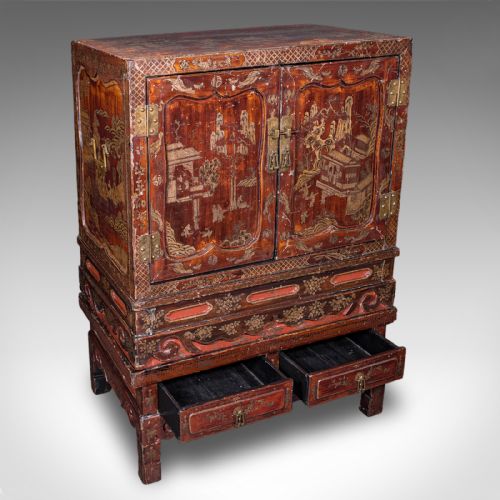
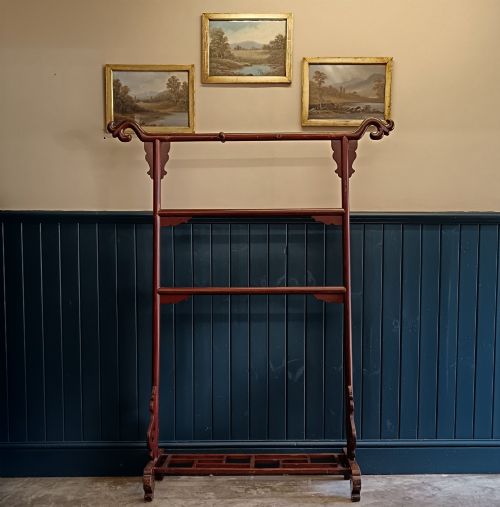
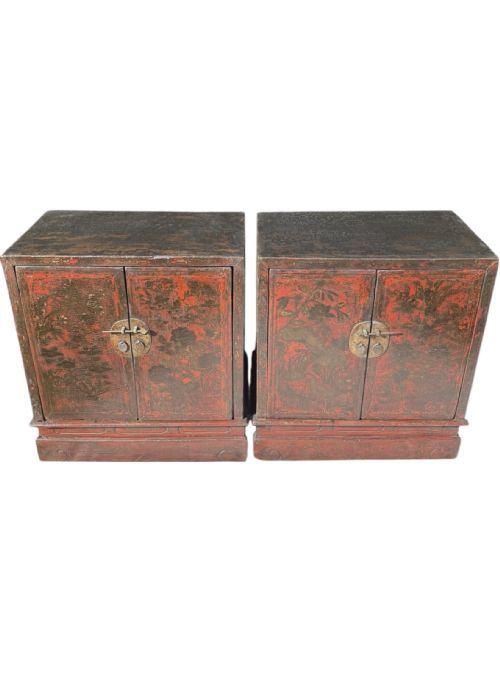
Asian red lacquer furniture comprises storage pieces, seating, and occasional tables finished in vibrant red pigments, with Chinese and Japanese examples forming the core of the selection.
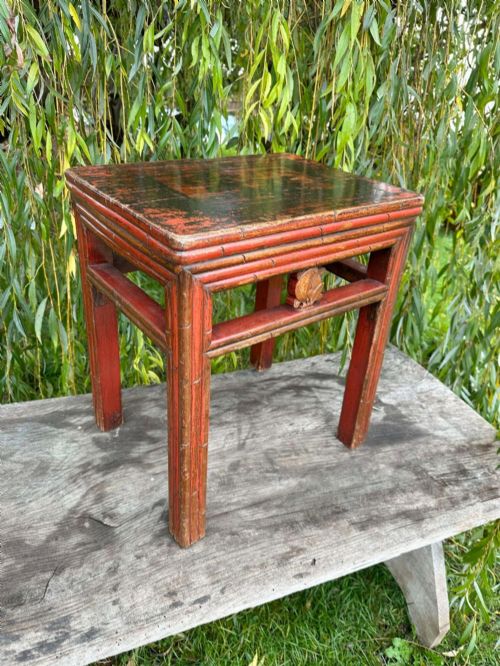
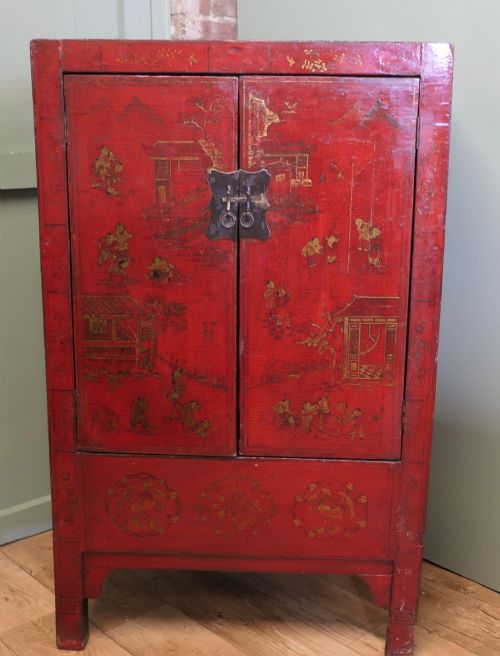
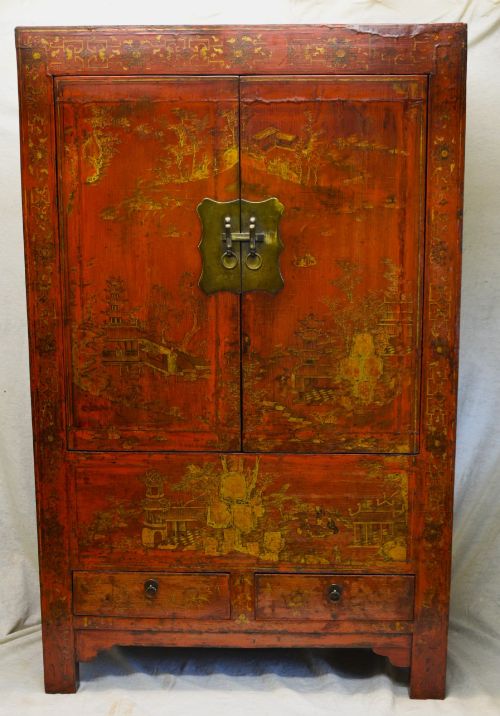
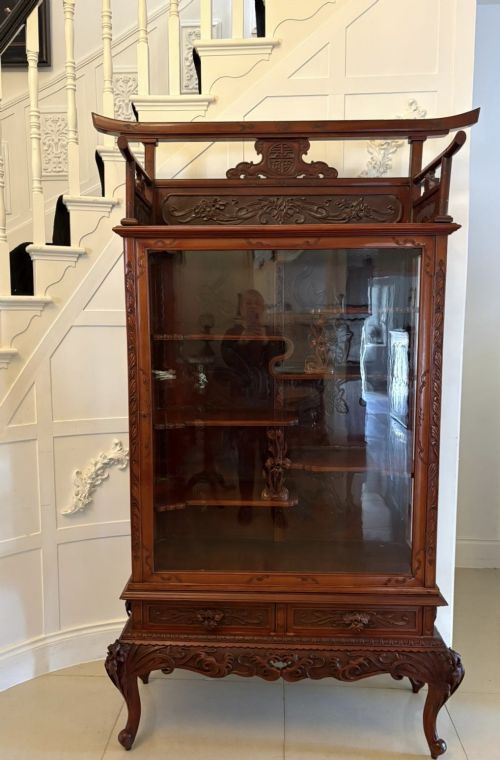
Cabinets, wedding armoires, side tables, and display cases dominate the forms available, often showing regional workshops from Fujian or broader Qing Dynasty influences.
Buyers encounter items ranging from simple provincial side tables to elaborate Victorian-era Chinoiserie cabinets and Japanese Meiji period tansu chests.
Materials and construction
Carpenters utilised native timbers such as elm and hardwood as the structural core before applying successive coats of lacquer to achieve the glossy surface.
Metal elements like brass and iron provide structural reinforcement and decorative hardware on doors, drawers, and stands.
Carved details and painted motifs frequently complement the smooth lacquer finish, particularly on display pieces and ceremonial furniture.
Asian Red Lacquer Furniture Retail Price Guide 2026
Typical asking prices for asian red lacquer furniture among the pieces listed under this phrase on Sellingantiques today, from the lower quarter to the upper quarter. They describe what is for sale here now, not the wider market.
Materials recorded across the selection include elm, hardwood, brass, iron, and glass alongside traditional lacquer.
Judging quality in red lacquer pieces
The integrity of the wooden substrate and the stability of the lacquer layers determine the longevity and primary worth of each item.
Subtlety in carved ornamentation and the preservation of original pigments distinguish superior workshop output from later decorative alterations.
The Asian Red Lacquer Furniture Glossary
- Lacquer
- A durable resin finish applied in multiple layers to wood surfaces. It provides a hard, protective coating with a deep lustre.
- Tansu
- A traditional mobile chest from Japan featuring multiple drawers and iron mounts. These pieces were originally designed for domestic storage.
- Chinoiserie
- European decorative style imitating Chinese artistic traditions. It appears frequently in nineteenth-century British adaptations.
- Altar table
- A long, narrow console table traditionally used in ceremonial spaces. They typically feature upturned ends and carved aprons.
- Cinnabar
- A bright scarlet mineral pigment utilised in traditional Asian lacquerwork. It creates a dense, carved surface relief.
Asian Red Lacquer Furniture: Frequently Asked Questions
How do I clean red lacquer furniture?
Dust surfaces gently with a soft, dry microfibre cloth to prevent scratching the delicate finish.
Avoid chemical polishes and keep pieces away from direct sunlight and moisture to protect the lacquer.
Are these pieces from the Qing Dynasty?
Several cabinets and tables originate from the Qing Dynasty or follow its design traditions through the nineteenth century.
Provincial Chinese workshops produced many of these items alongside later export pieces.
Where should I place a lacquer cabinet?
Position your cabinet away from radiators and fireplaces to prevent the wood and lacquer from drying out.
A focal point in a hallway or living room allows the bold red colour to anchor the space.
What is the difference between Chinese and Japanese pieces?
Chinese items often feature marriage cabinets, console tables, and painted motifs reflecting regional domestic life.
Japanese examples more commonly include utilitarian tansu chests with functional iron hardware.