





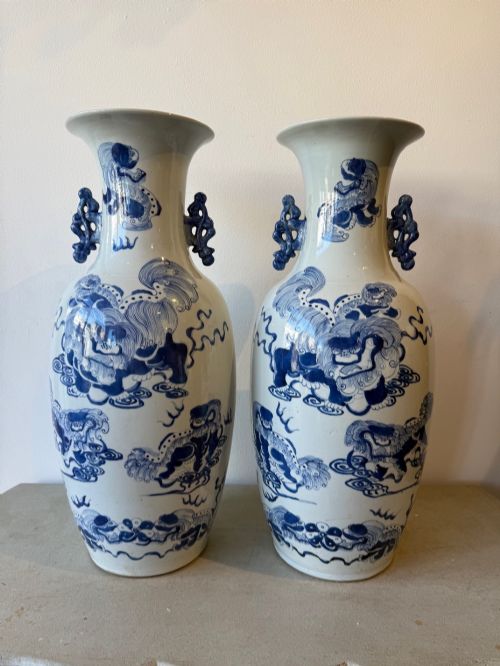


Asian Porcelain Urn Jar
These asian porcelain urn jar pieces span Chinese and Japanese traditions, bringing intricate hand-painted detail and classical ceramic forms into a room.
Asian Porcelain Urn Jar
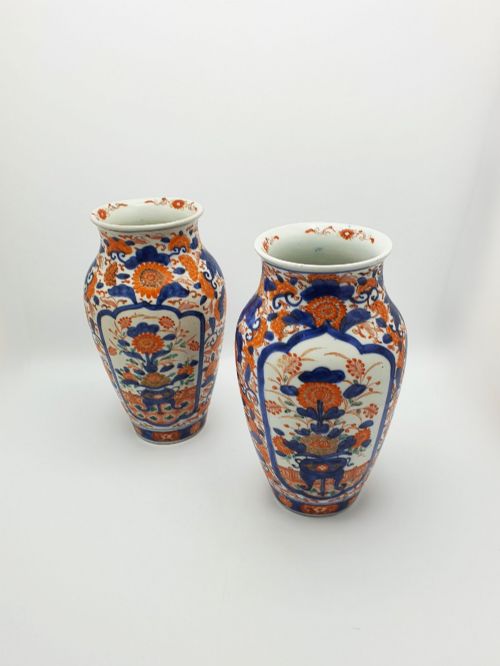
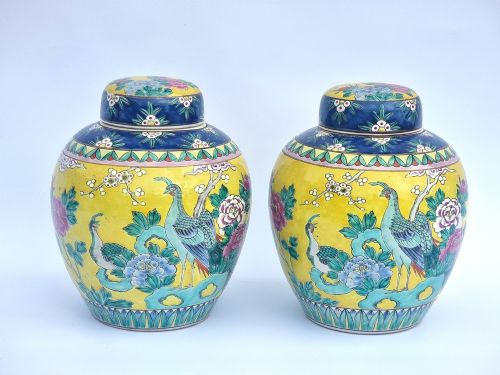
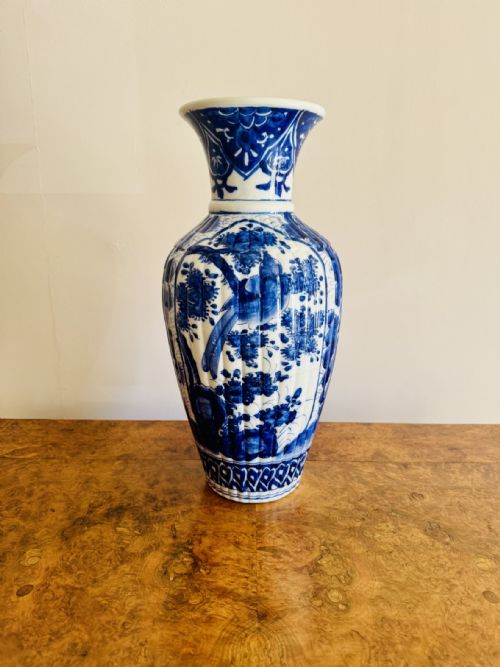
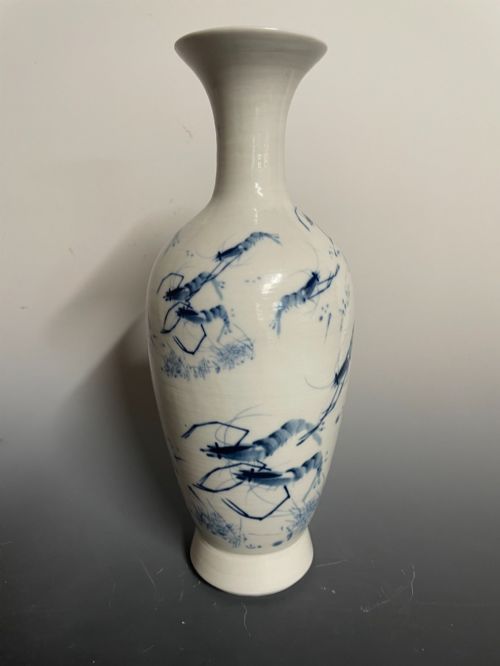
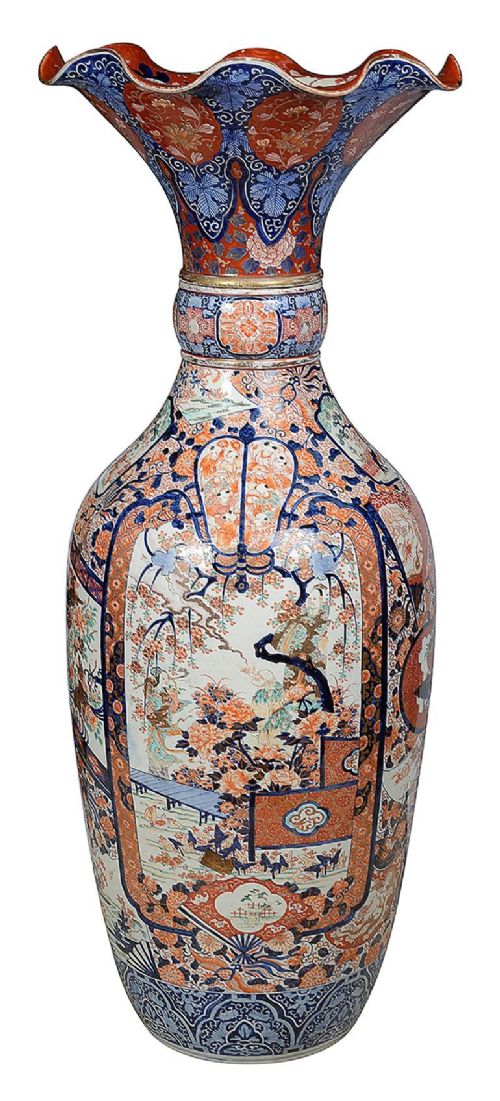
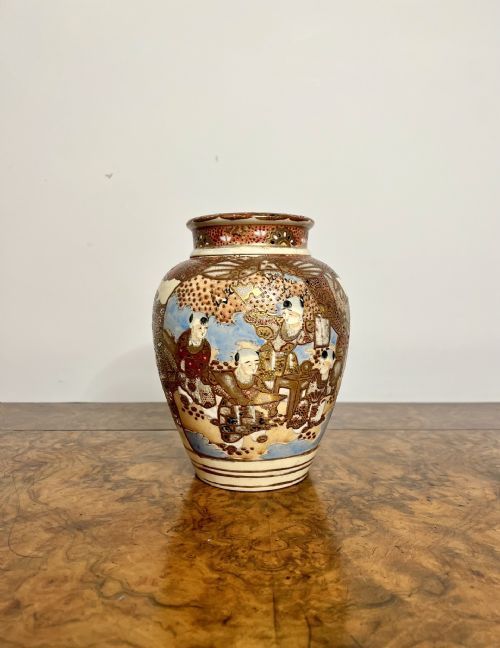
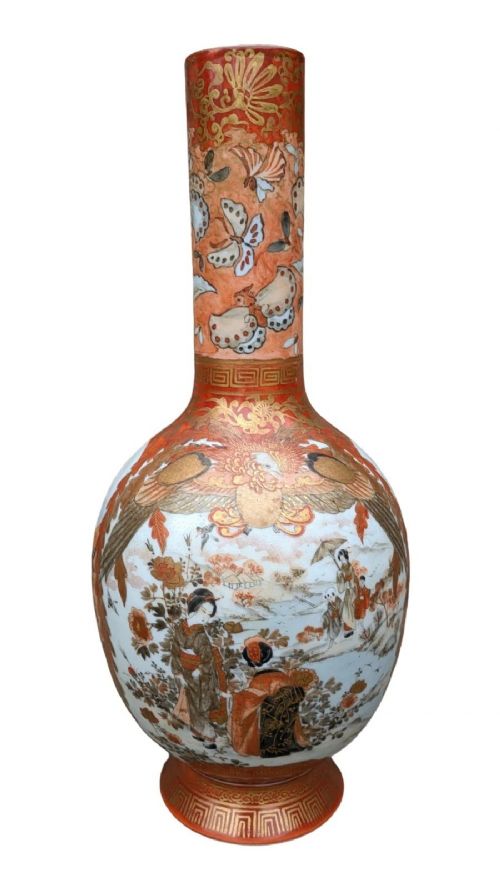
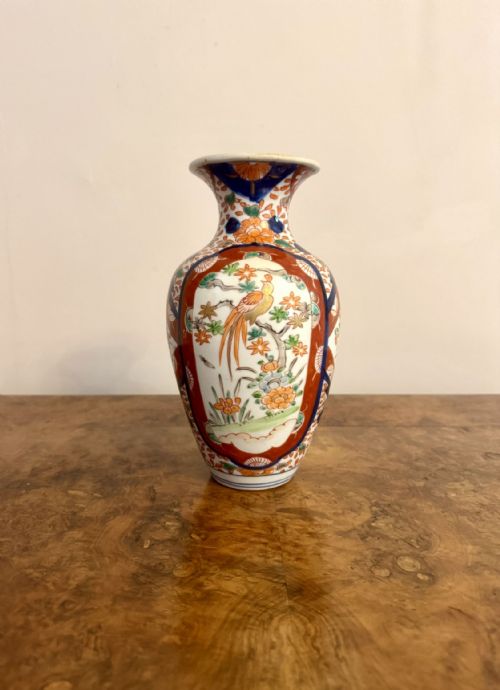
Japanese Imari and Kutani wares dominate the selections alongside Chinese blue and white porcelain and Satsuma lidded jars. Forms range from compact ginger jars and table lamps to monumental vessels standing nearly five feet tall.
Materials and Techniques
Artisans formed these vessels from porcelain, earthenware, and ceramic, often combining cobalt glaze, enamel, and gold leaf on the surface. Painting techniques involve underglaze blue, iron-red accents, and intricate hand-painted motifs executed across workshops in Japan and China.
Many jars and vases incorporate matching covers or lids, while certain nineteenth-century examples are mounted as table lamps. Master potters and workshops applied precise glazing methods that defined regional aesthetics from Arita to Kaga.
Asian Porcelain Urn Jar Retail Price Guide 2026
Typical asking prices for asian porcelain urn jar among the pieces listed under this phrase on Sellingantiques today, from the lower quarter to the upper quarter. They describe what is for sale here now, not the wider market.
Listings feature pieces from the 16th century through the 19th century, utilising porcelain, earthenware, cobalt glaze, and gold leaf.
Judging Quality
The standard of a piece rests on the precision of its hand-painted decoration, the clarity of the cobalt glaze or enamel work, and the crispness of maker or period marks on the base. Monumental scale combined with undamaged lids and balanced proportions elevates certain examples above standard production wares.
Mastery in brushwork and the skillful application of gold leaf separate ordinary decorative pots from works bearing recognised workshop signatures or imperial traits.
Yamashu·Makuzu Kozan·Kinrin Workshop
The Asian Porcelain Urn Jar Glossary
- Imari
- A style of Japanese export porcelain characterised by a palette of underglaze blue, iron-red, and gold. This ware originated in Arita and became immensely popular in European collections during the nineteenth century.
- Satsuma
- An earthenware pottery from Japan featuring a crackle-glaze ivory body decorated with detailed enamel and gilding. These pieces frequently depict figural scenes and natural landscapes.
- Kutani
- Japanese coloured porcelain and pottery known for bold palettes incorporating greens, reds, yellows, and purples. Pieces often display intricate pictorial designs characteristic of the Meiji period.
- Ginger Jar
- A high-shouldered ceramic vessel with a dome-shaped cover, originally utilised for storing spices. In decorative contexts, these jars serve as striking focal points on tables and pedestals.
- Underglaze Blue
- A decorative technique where cobalt pigment is applied to the raw clay body before glazing and firing at high temperatures. This method ensures the blue design remains permanent and protected beneath the clear glaze.
Asian Porcelain Urn Jar: Frequently Asked Questions
What is an asian porcelain urn jar used for?
These vessels functioned historically for storage, display, or containing precious goods within traditional interiors. Today, collectors place them on tables, pedestals, or convert them into lamps to highlight their painted surfaces.
Their robust ceramic and porcelain bodies allow them to stand alone as statement ornaments or pair together on matching furniture.
How do I identify a Meiji period piece?
Meiji period items often exhibit fine hand-painted details in Kutani or Satsuma styles, reflecting the artistic output of Japan between 1868 and 1912. Look for signature panels on the base and precise enamel work.
These pieces frequently demonstrate a blend of traditional motifs and technical refinement developed during the opening of Japanese trade.
What is the difference between Imari and Kutani?
Imari wares typically utilise a porcelain body with a distinct palette of deep cobalt blue, iron-red, and gold leaf. Kutani pieces often employ an earthenware or porcelain base with dense, colourful enamel painting.
Both styles originate from Japan but serve different aesthetic roles through their contrasting glaze textures and decorative schemes.
How should I display a lidded jar?
Lidded jars look best positioned where adequate light can illuminate their hand-painted glazes and gold leaf details. Placing them on wooden stands or matching tables enhances their height and presence.
Ensure they sit on stable, level surfaces away from heavy traffic areas to protect their matching covers.