








Asian Occasional Furniture
Asian occasional furniture brings distinctive proportions and rich materials to a room, offering practical surfaces through side tables, nests, and stands.
Asian Occasional Furniture
Asian occasional furniture encompasses compact decorative pieces designed for flexible placement around a room, spanning side tables, centre tables, and nested sets. These items serve practical functions as lamp stands or display surfaces while introducing distinct regional forms into an interior.
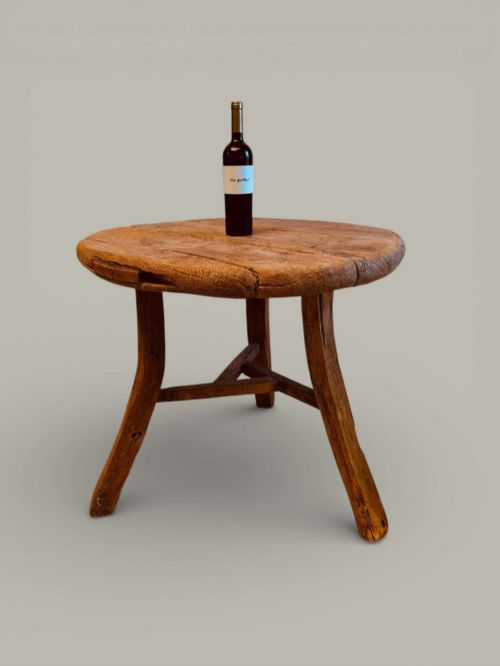
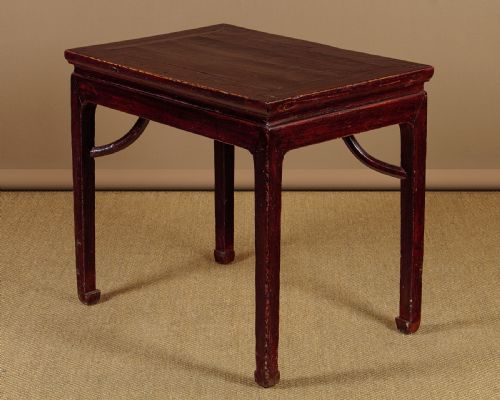
The pieces appearing on this page draw predominantly from late nineteenth- and early twentieth-century periods, alongside examples from the broader nineteenth century. Forms range from traditional Chinese elm and hongmu tables to Anglo-Burmese and Anglo-Indian variations.
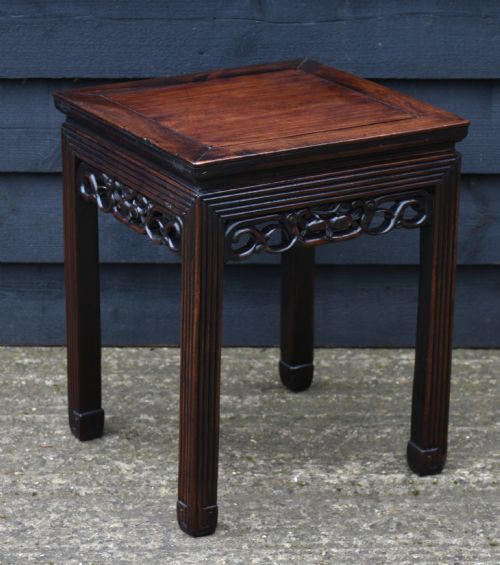
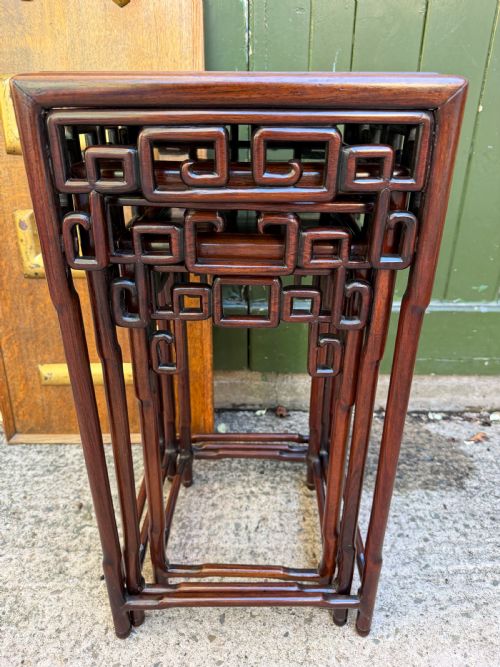
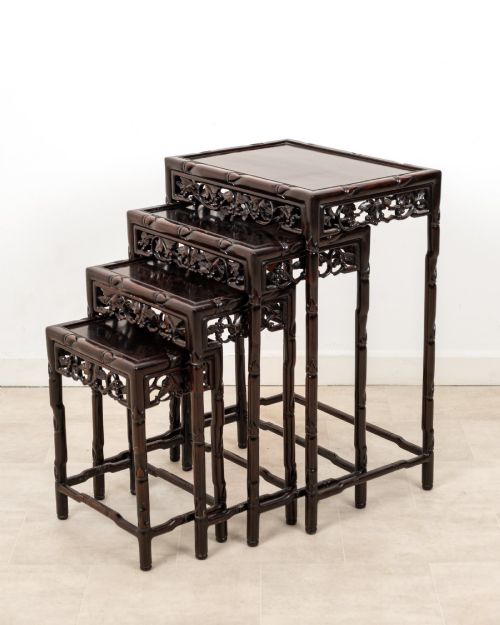
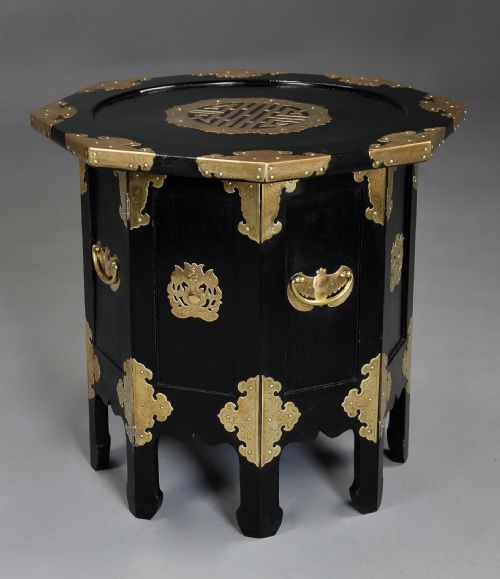
Nests of tables form a prominent category within asian occasional furniture, often comprising four graduated pieces that slide neatly together. Alongside nests, buyers regularly encounter single side tables featuring inset marble tops, square or octagonal surfaces, and low profiles.
How They Were Made
Craftsmen utilised dense Asian hardwoods such as hongmu, rosewood, and elm to build these tables, relying on traditional joinery methods that accommodated timber movement without metal fasteners. These heavy woods provided the structural stability required for intricate surface carving and inset stone panels.
Surface decoration involved several distinct techniques, including deep relief carving depicting dragons and foliage, intricate bone inlay set into dark wood, and smooth lacquer finishes. Ebonised wood and brass accents also appear, reflecting the stylistic interchanges of the period.
Asian Occasional Furniture Retail Price Guide 2026
Typical asking prices for asian occasional furniture among the pieces listed under this phrase on Sellingantiques today, from the lower quarter to the upper quarter. They describe what is for sale here now, not the wider market.
Periods represented on this page range from the mid-nineteenth century through the 1930s, with a strong concentration around 1900.
What Varies in Quality
Quality in these tables rests on the crispness of the hand carving and the selection of timber, where tightly grained hardwoods and unblemished marble inserts distinguish superior examples. Finer pieces display precise joinery and balanced proportions, particularly in nested sets where each table fits flush.
The complexity and precision of decorative elements, such as profuse bone inlay or detailed dragon motifs, separate standard provincial items from highly decorative works. Condition of the lacquer, stability of the tripod bases, and integrity of the internal frames further define the hierarchy.
The Asian Occasional Furniture Glossary
- Hongmu
- A dense, dark tropical hardwood favoured in Chinese furniture making for its strength and ability to take fine carving. It translates literally as red wood.
- Nesting tables
- A set of graduated tables designed to fit one beneath another to save floor space when not in use. They typically come in sets of three or four.
- Chinoiserie
- European stylistic interpretation of Chinese artistic motifs and techniques, popular in decorative arts and furniture design. It often merges Asian forms with Western structural preferences.
- Quartetto
- A nineteenth-century term for a set of four small tables, usually nesting together. The word derives from Italian musical terminology.
- Ebonised wood
- Timber treated with a dark finish to imitate expensive ebony. This technique gained popularity during the Victorian era for decorative occasional furniture.
Asian Occasional Furniture: Frequently Asked Questions
How were nests of tables used?
Nests of tables provided temporary surfaces for tea, writing, or holding decorative objects during the day.
Servants moved the individual tables around the room as needed and stacked them compactly together afterward.
What is hongmu wood?
Hongmu is a collective term used for various dense, dark tropical hardwoods native to Southeast Asia.
Cabinetmakers valued it for its durability and suitability for deep, sharp carving.
How do I care for marble top tables?
Marble inserts require gentle cleaning with a damp cloth and mild soap to protect the polished stone surface from staining.
Keep wooden frames conditioned and protected from direct heat sources to prevent timber splitting.
What defines Chinese Export style?
Chinese Export style describes pieces manufactured in China specifically for Western markets during the nineteenth and early twentieth centuries.
These items often combine traditional Asian materials with forms suited to European interiors.