


Asian Metal Sculpture
Asian metal sculpture encompasses centuries of cast deities, animals, and ritual figures originating from China, Japan, Tibet, India, and Southeast Asia.
Asian Metal Sculpture
When you search for asian metal sculpture, you encounter a diverse range of figures including Buddhist and Hindu deities, temple lions, elephants, and vases spanning multiple centuries.
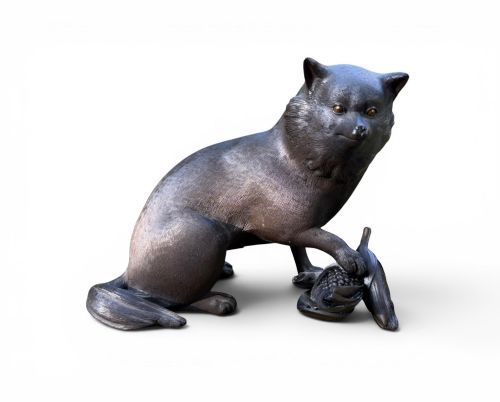
The selection on this page leans heavily toward 19th-century and earlier devotional statues, alongside Japanese Meiji period okimono and Chinese decorative bronzes.
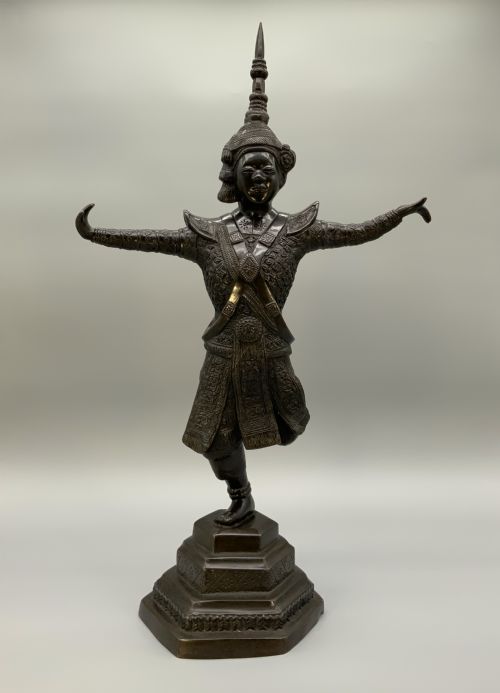
Pieces originate from regions such as Tibet, Java, Burma, Thailand, China, and Japan, reflecting distinct regional iconographies and stylistic traditions.
Materials and Technique
Many objects are produced using copper alloys, brass, and standard or patinated bronze, often utilising the lost-wax casting technique for intricate detail.
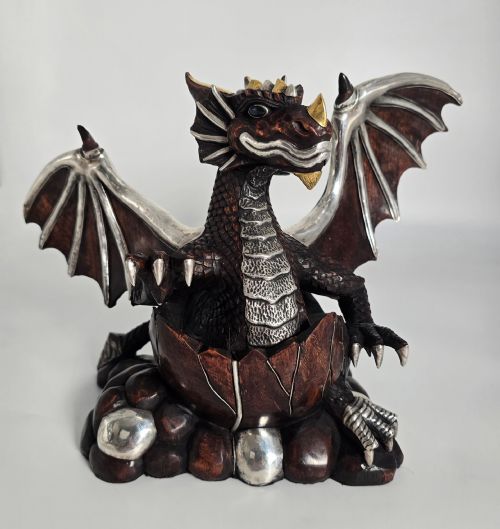
Surface treatments frequently include fire gilding, silvering, and applied mineral inlays, while certain Chinese works incorporate carved hardwood mounts alongside metal components.
Current listings span periods from pre-16th century Javanese works to early 20th-century Chinese and Japanese bronzes, brass, and copper alloys.
Subtleties of Execution
Quality rests in the crispness of the casting and the sensitivity of the chased surface detail, separating workshop productions from masterworks.
The depth and preservation of the original patina or gilding significantly influence the visual impact of an individual sculpture.
The Asian Metal Sculpture Glossary
- Bronze
- An alloy primarily of copper and tin, widely utilised in Asian sculpture for its durability and capability to hold fine detail.
- Patina
- The surface coloration and sheen developed naturally over time or applied chemically by the maker to enhance visual depth.
- Okimono
- A Japanese term for a decorative object or statuette intended for display on a shelf or in a tokonoma alcove.
- Lost-wax casting
- A metalworking process where a molten metal is poured into a mould that has been created by means of a wax model.
- Gilt bronze
- Metalwork finished with a thin layer of gold applied via mercury amalgamation or gold leaf to produce a luminous surface.
Asian Metal Sculpture: Frequently Asked Questions
How do I identify a Tibetan bronze figure?
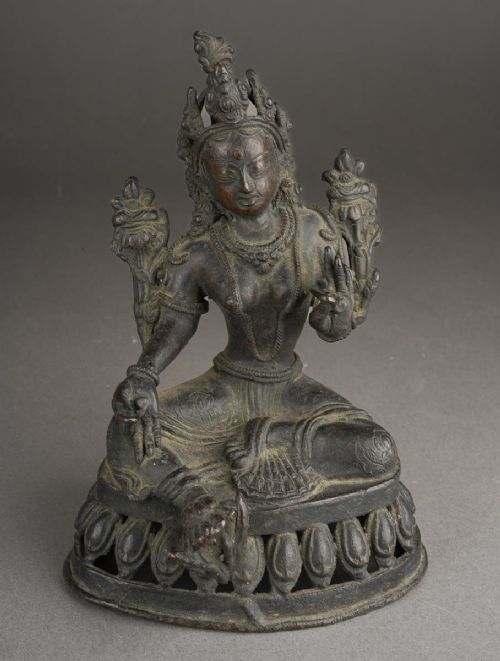
Tibetan figures often depict Buddhist deities such as Tara or seated Buddhas, frequently characterised by specific iconographic hand gestures and lotus pedestals.
Many examples from this region date from the 19th century or earlier and exhibit distinct Himalayan stylistic conventions.
What is a temple lion sculpture?
Temple lions, sometimes referred to as foo dogs, are traditional guardian figures typically cast in bronze or brass to protect sacred spaces.
Pairs of these animals appear frequently in Chinese and Tibetan metalwork from the 19th and early 20th centuries.
How are Javanese bronzes distinguished?
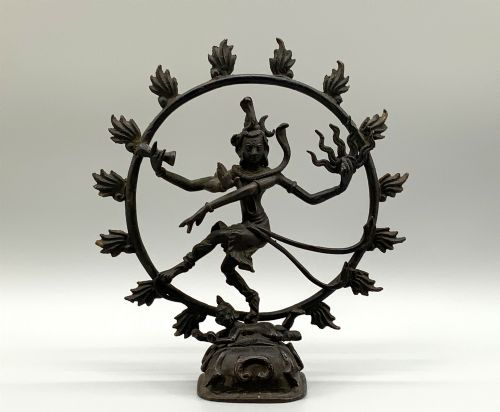
Javanese classical sculptures frequently employ a copper alloy composition and represent Hindu or Buddhist deities such as Shiva, Vishnu, or Dewi Tara.
These pieces often date to earlier periods, including the pre-16th century eras of Southeast Asian temple art.
What is mixed metal sculpture?
Mixed metal work combines different metallic elements, such as bronze, copper, and silver alloys, within a single decorative object.
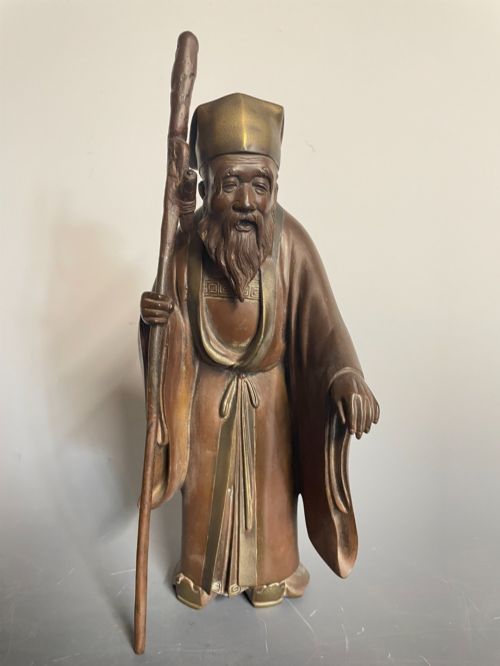
This technique is particularly associated with Japanese artistry from the Meiji period, creating contrasting visual tones across the surface.