





Asian Lacquer Art
Asian lacquer art brings together centuries of carved wooden panels, gilt figures and intricate wall plaques fashioned in rich reds and deep blacks.
Asian Lacquer Art
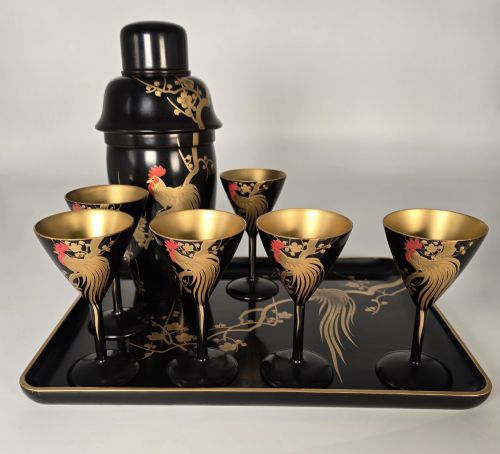
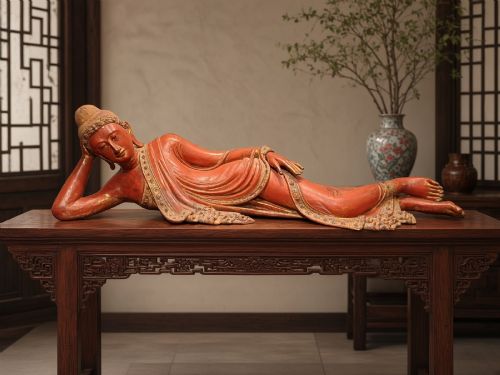
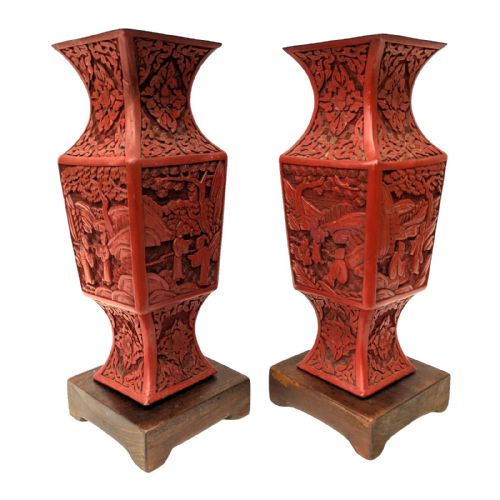
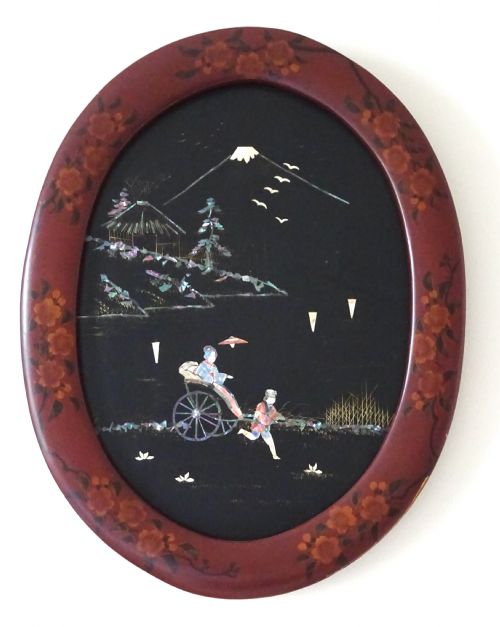
Asian lacquer art encompasses a diverse array of decorative forms including carved temple panels, roundels, wall art, barware and traditional figures. When exploring Asian lacquer art, buyers encounter pieces ranging from nineteenth-century Chinese cinnabar vases and Burmese gilt wood Buddhas to Japanese roundels and Edwardian chinoiserie mirrors.
The objects stem from distinct periods such as the Qing Dynasty, Meiji era, Taisho period and Showa period, reflecting varied regional aesthetics. Many items utilise lacquered wood as a base, whilst others combine traditional lacquer with mother-of-pearl, abalone inlay and gold leaf.
Wall plaques and carved wooden panels represent common finds on this page, often depicting detailed scenes of birds in foliage or traditional figures. Each piece demonstrates specific regional traditions of craftsmanship spanning the nineteenth and early twentieth centuries.
Materials and construction
The creation of these pieces relies primarily on wood bases treated with multiple layers of lacquer, sometimes finished in deep red or black. Artisans build up the surface before applying intricate carvings, paint or lacquer over black paint.
Decoration frequently incorporates gold leaf, mother-of-pearl and abalone inlay to create contrasting textures and luminous details. Carved gilt wood elements and detailed hand painting complete the construction of many panels, vases and figures.
Asian Lacquer Art Retail Price Guide 2026
Typical asking prices for asian lacquer art among the pieces listed under this phrase on Sellingantiques today, from the lower quarter to the upper quarter. They describe what is for sale here now, not the wider market.
Several panels proudly feature birds gossiping in foliage, proving that nature's chatterboxes transcend centuries and continents.
Evaluating craftsmanship and detail
Quality in these works is determined by the depth and precision of the carving, particularly in cinnabar pieces and multi-layered wooden panels. The intricacy of inlay work, such as the placement of mother-of-pearl and abalone, distinguishes finer examples.
The preservation of original surface finishes, gold leaf detailing and delicate hand-painted elements marks the difference between standard and superior decorative objects. Greater skill is evident where complex pictorial scenes remain crisp and well-defined across the lacquer surface.
The Asian Lacquer Art Glossary
- Cinnabar lacquer
- A technique involving the application of numerous layers of red lacquer to a core material, allowing deep and detailed carving into the hardened surface. This method is particularly prominent in traditional Chinese vases and panels.
- Chinoiserie
- A European decorative style reflecting Chinese artistic influences, frequently seen in British Edwardian mirrors and mantel clocks featuring painted motifs. It reinterprets Asian visual traditions through Western interior design.
- Mother-of-pearl inlay
- The embedding of iridescent inner shell material into a lacquered or wooden ground to create luminous decorative details. Artisans utilise this technique to depict birds, foliage and natural scenes.
- Gilt wood
- Timber decorated with a thin layer of gold leaf or gold paint applied to its surface. This treatment highlights carved details on temple panels and traditional figures.
- Roundel
- A circular decorative panel or artwork. These pieces often feature painted or lacquered Japanese designs intended for wall display.
Asian Lacquer Art: Frequently Asked Questions
What is cinnabar lacquer?
Cinnabar lacquer is a heavy, carved red material made by applying numerous coats of pigmented resin to a wooden or metal base before cutting intricate designs into the hardened layers.
This technique produces durable pieces with considerable depth, commonly seen in nineteenth-century Chinese vases and decorative panels.
How do I care for lacquer art?
Lacquer art requires stable indoor environments away from direct sunlight and excessive humidity to prevent surface drying or cracking.
Dusting should be performed gently with a soft, dry cloth without applying chemical polishes or abrasive cleaners.
Where were these pieces made?
The items originate from various Asian traditions, including China, Japan and Burma, reflecting specific historical eras such as the Meiji and Qing periods.
European interpretations like Edwardian chinoiserie also appear, showing how Asian styles influenced domestic British decoration.
What materials are used?
Common materials include lacquered wood, glass, brass, paint, and gold leaf, often enhanced with natural shell inlay.
Artisans combined these mediums to build textured surfaces on plaques, screens, vessels and sculptural figures.