




Asian Hardwood Display Stands
Asian hardwood display stands lift a room with dense grain, carved frames and quiet strength.
Asian Hardwood Display Stands
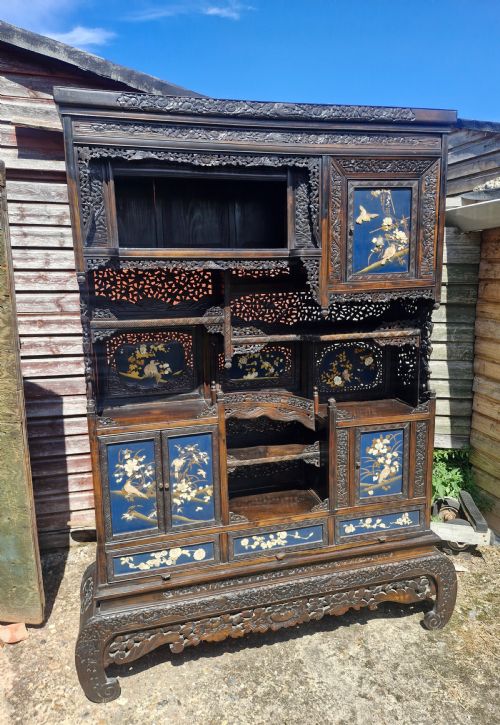
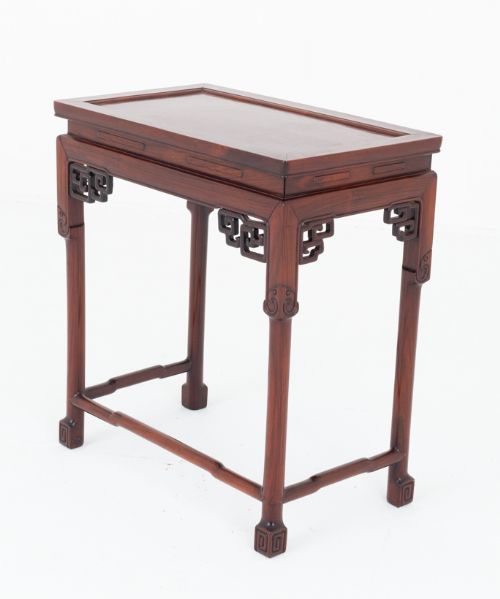
Asian hardwood display stands encompass a variety of raised platforms, plant holders, and occasional tables designed to elevate decorative objects within a room. When searching for asian hardwood display stands, buyers encounter pieces intended to hold vases, urns, and jardinieres securely above the floor level. These forms draw on traditions spanning the Qing Dynasty and the Japanese Meiji period, reflecting distinct regional craftsmanship.
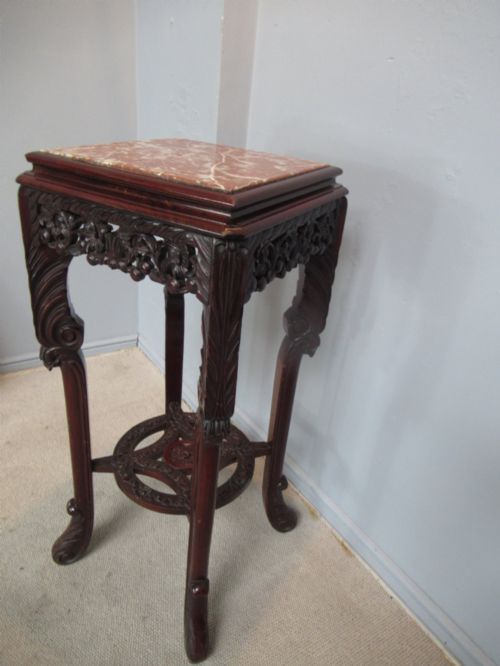
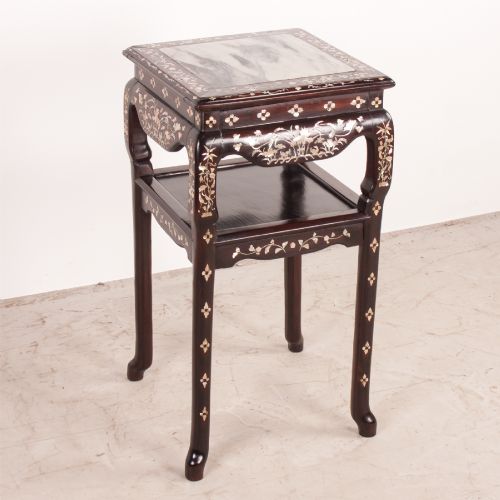
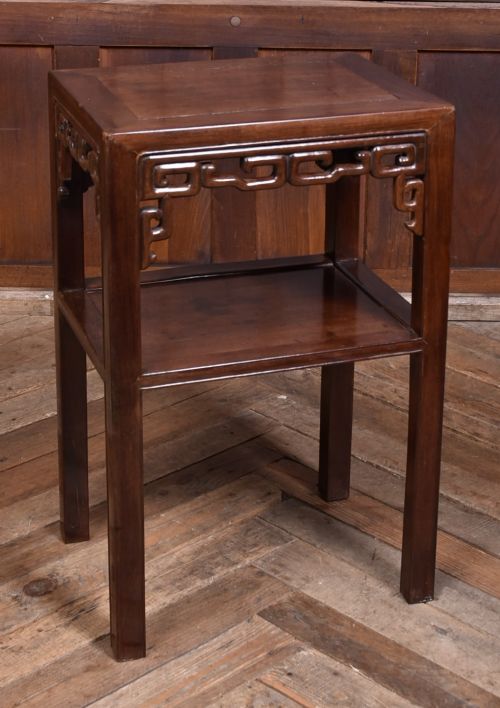
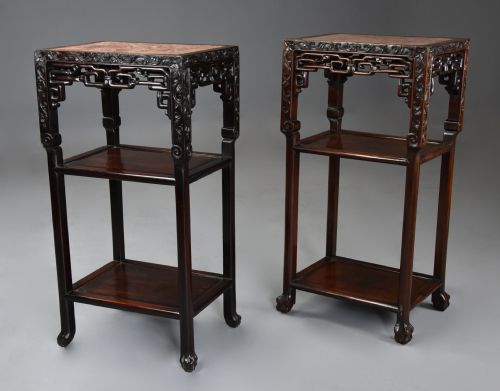
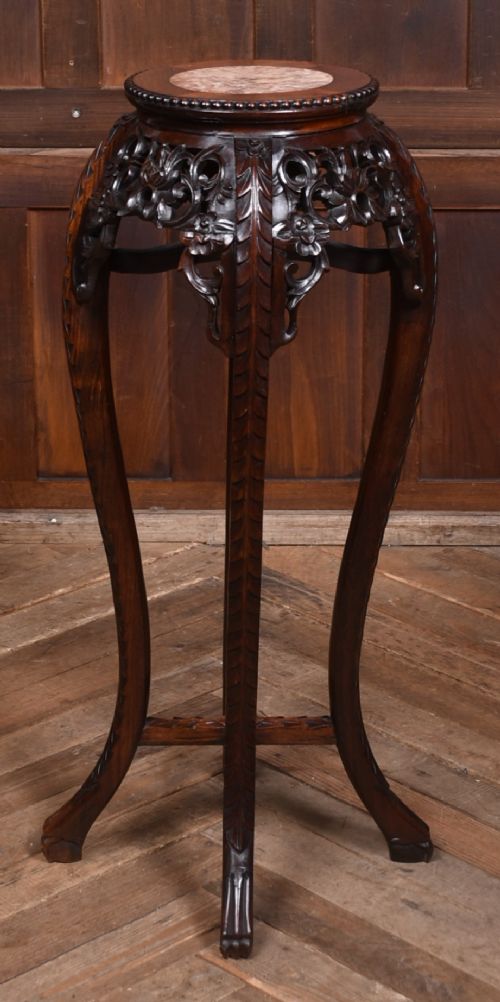
The versions most commonly met on this page include carved plant stands, low tables, and multi-tiered pedestals dating from the nineteenth century. Many incorporate inset marble tops or mother of pearl inlay, combining dense timber structures with contrasting surfaces. Makers utilised dense tropical woods to create stable platforms that supported heavy ceramics and bronze vessels.
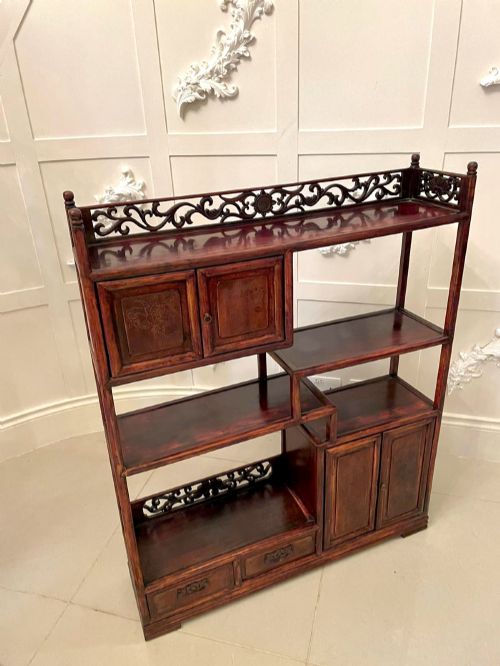
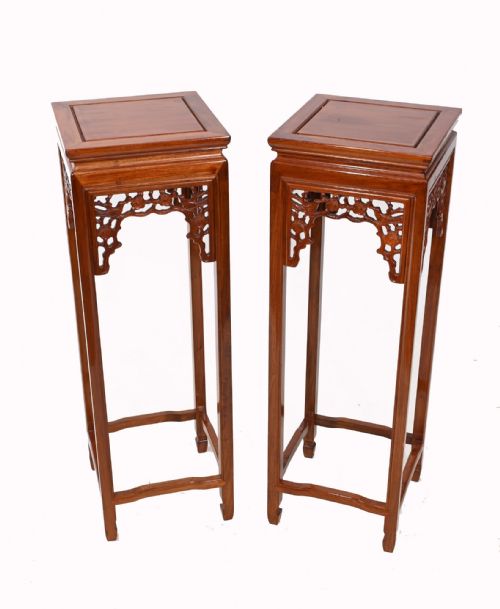
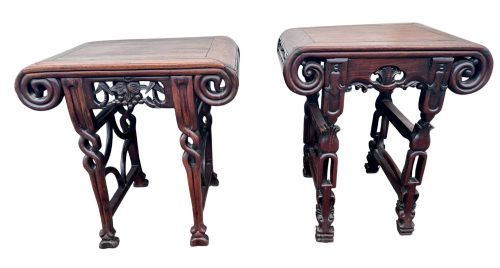
Structural formats range from single tall vase stands to matched pairs of side tables and nesting sets. Pieces often display pierced carving, cabriole legs, or stepped shelves designed for display cabinets and shodana units. Each form serves a specific function in interior arrangement, from corner jardiniere holders to low opium tables.
Judging quality
Quality rests upon the depth and crispness of the wood carving, where sharper undercut details indicate superior handwork. The selection of the timber matters greatly, with uniform grain and dense weight marking better pieces from the period.
The integration of inset materials, such as fitted marble slabs and secure mother of pearl inlay, defines the standard of execution. Well-balanced proportions and rigid joinery under heavy vertical loads distinguish high-grade furniture from standard utility items.
Materials recorded across the inventory include rosewood, hongmu, padouk, amboyna, marble, brass, lacquer, and mother of pearl inlay.
The Asian Hardwood Display Stands Glossary
- Hongmu
- A dense, heavy tropical hardwood prized in Chinese furniture making for its dark red-brown colour and fine grain. It provides the rigid structural support necessary for carved display stands.
- Jardiniere stand
- A tall or low table specifically proportioned to hold a large ornamental flower pot or jardiniere. These pieces usually feature water-resistant top surfaces like marble.
- Shodana
- A traditional Japanese multi-tiered display cabinet featuring staggered shelves and small cupboards. Originating in the Meiji period, these units held small decorative objects.
- Mother of pearl inlay
- A decorative technique where thin pieces of iridescent shell are embedded into carved recesses within the wood. This method creates contrasting patterns against dark hardwoods.
- Kang table
- A low table traditionally placed upon a heated brick platform or bed in Chinese interiors. Examples found here are scaled for general floor use as small occasional tables.
Asian Hardwood Display Stands: Frequently Asked Questions
What were Asian hardwood display stands used for?
These stands served practical roles in traditional interiors by elevating heavy ceramic vases, bronze vessels, and potted plants above floor level. Raising the objects protected fine pottery from dampness and placed decorative items at eye level.
They also functioned as general occasional tables, side tables, and display surfaces for scholar's items and treasured ornaments within the home.
How do I tell Qing Dynasty stands apart from Meiji period pieces?
Chinese Qing Dynasty stands typically feature deep, ornate floral or dragon carvings, heavy hongmu or padouk construction, and circular marble inserts. The aesthetic focuses on symmetrical forms and traditional symbolism.
Japanese Meiji period pieces, such as shodana cabinets and associated stands, often display asymmetric shelving, subtle lacquer work, and refined joinery reflecting distinct island craftsmanship.
Are these stands strong enough to hold heavy plants?
Yes, the dense tropical hardwoods used in their construction, such as rosewood and hongmu, provide immense structural strength. The interlocking joinery and heavy frames are engineered to bear significant vertical weight.
Marble inserts further reinforce the top surface, offering a stable, moisture-resistant platform for heavy ceramic jardinieres and large potted plants.
How should I care for a marble top hardwood stand?
Keep the wood polished with appropriate wax to nourish the dense grain and prevent drying out over time. Avoid placing the stand in direct sunlight or near heat sources that could split the timber.
Clean the marble insert with a damp cloth and mild soap, ensuring no standing water remains on the wooden frame surrounding the stone.