
Asian Decorative Vessel
An asian decorative vessel brings metalwork, lacquer, and ceramics from China and Japan into an interior.
Asian Decorative Vessel
An asian decorative vessel encompasses vases, bowls, jardinieres, and incense burners originating from Chinese and Japanese workshops. Buyers searching this phrase meet pieces ranging from small satsuma jars to large bronze baluster vases.
The material vocabulary spans cast bronze, cloisonne enamel, carved cinnabar lacquer, and painted porcelain. These items cross nineteenth and early twentieth century periods, reflecting export markets and domestic patronage alike.
Vessels take many shapes, including twin-handled urns, bottle vases, and open flower baskets. The selection here reflects both Chinese dynastic traditions and Japanese Meiji period craftsmanship.
Materials and construction
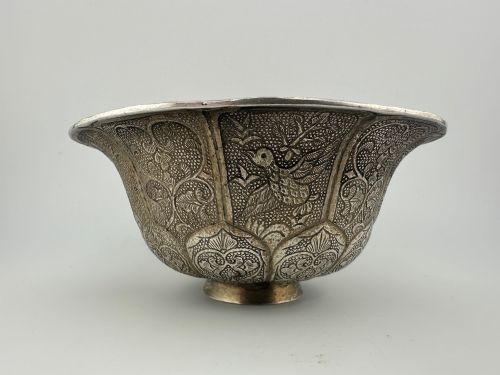
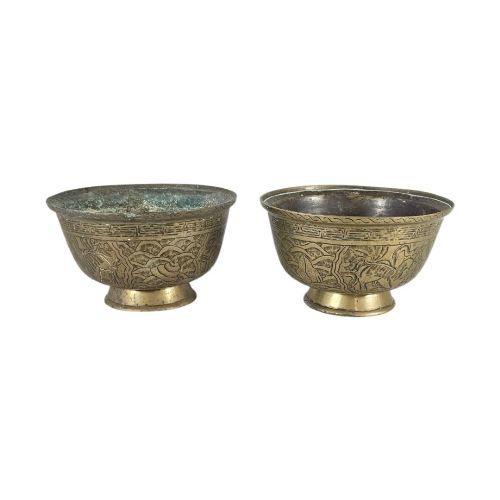
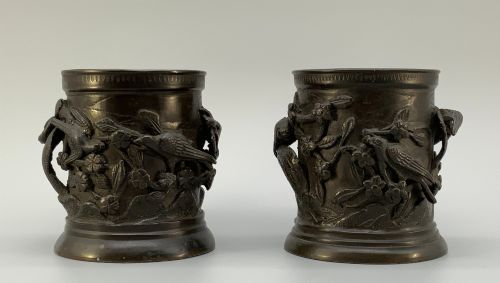
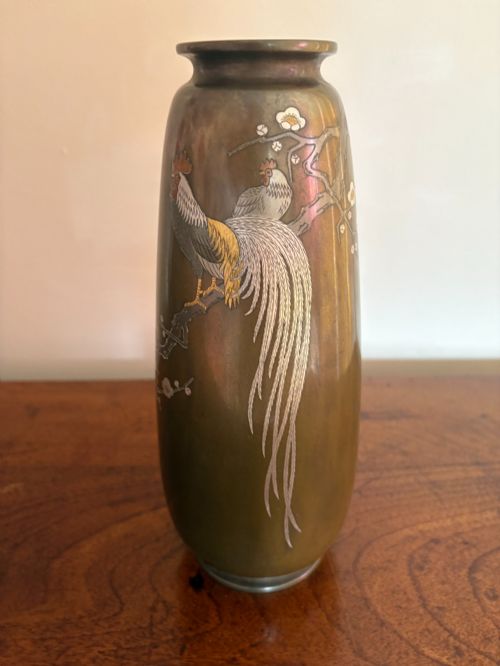
Bronze and copper-alloy vessels are cast, chased, and occasionally inlaid with contrasting metals to create pictorial scenes. Artisans utilise chisels and repousse techniques to build high-relief figures of immortals, birds, and floral motifs.
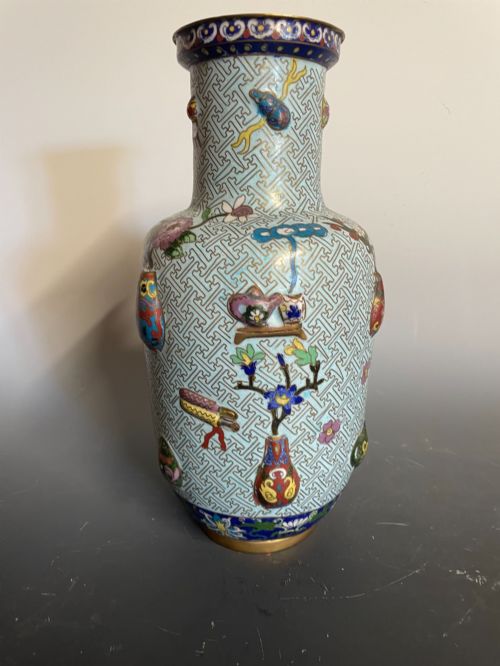
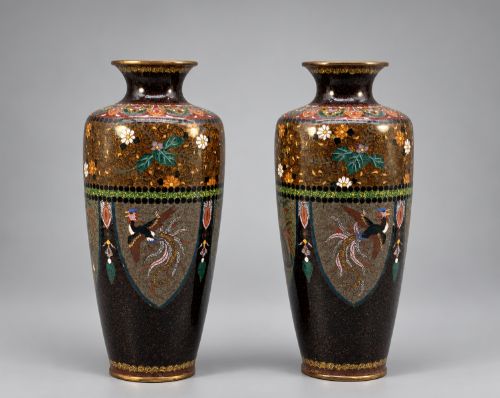
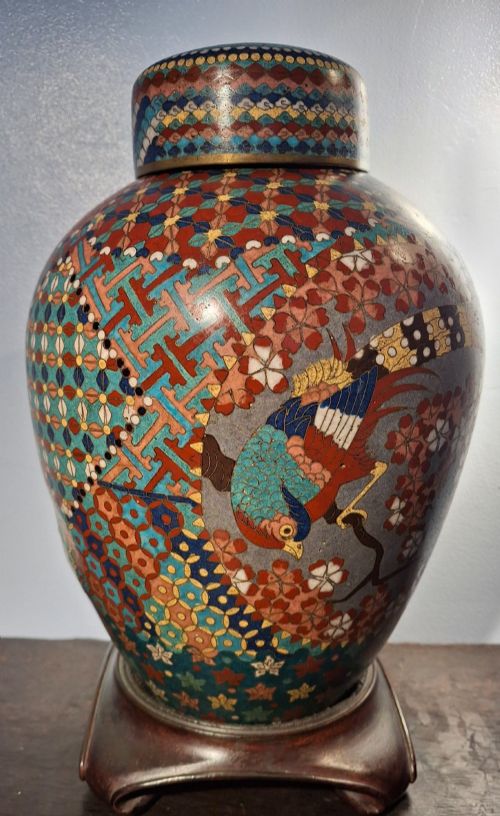
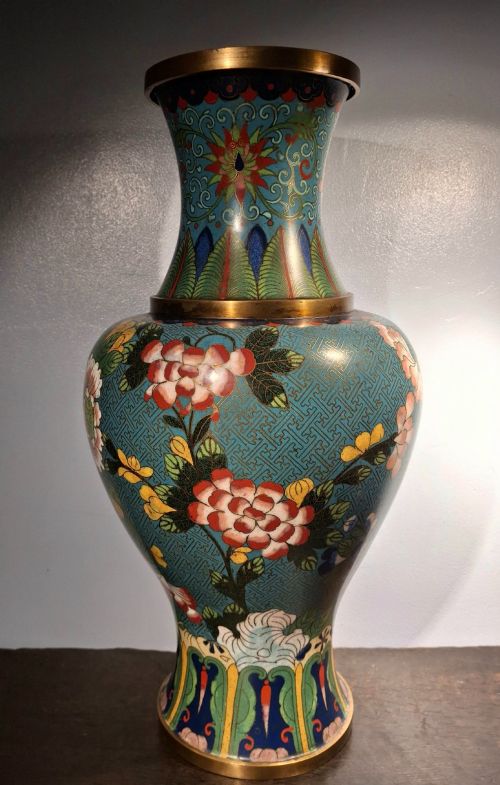
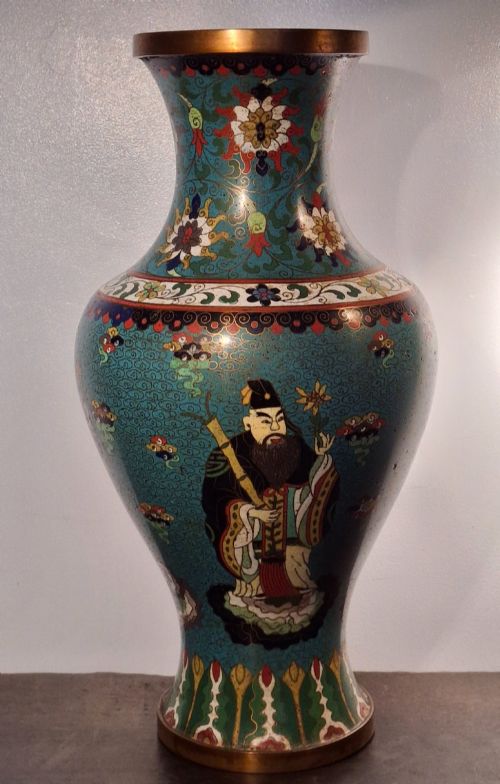
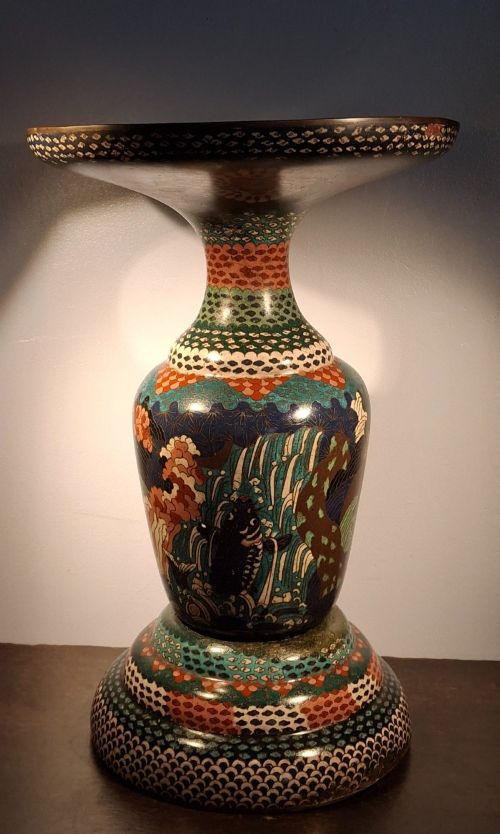
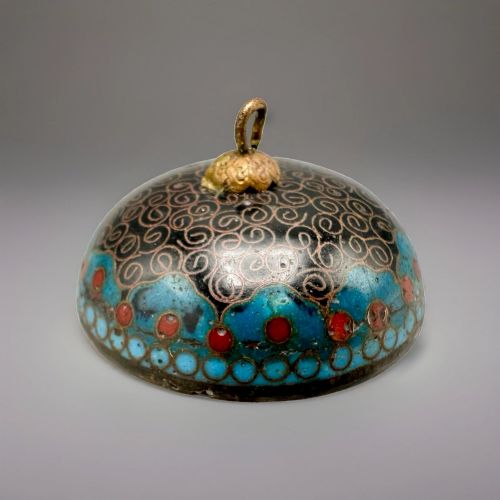
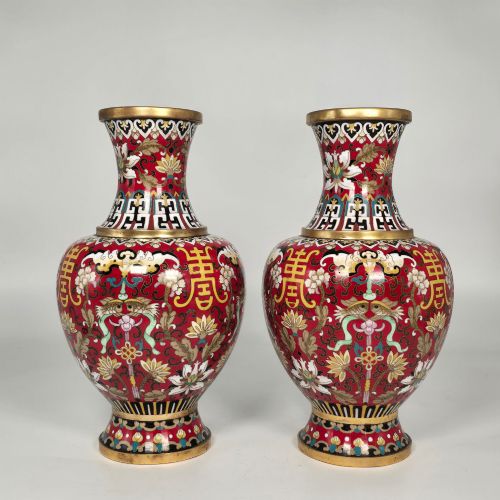
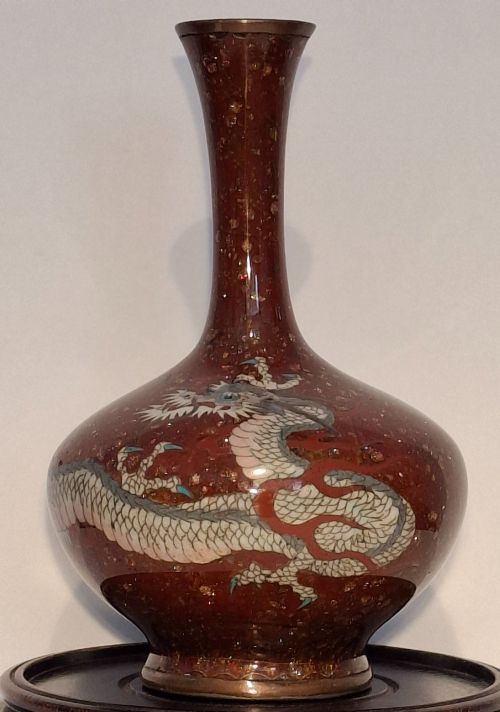
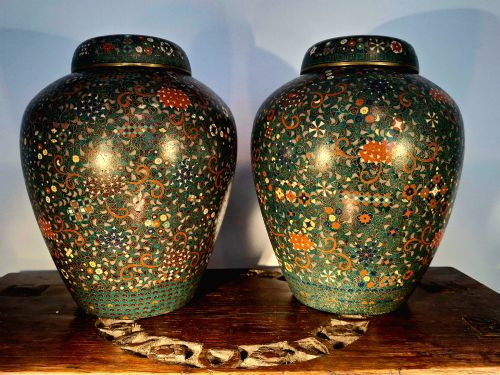
Cloisonne pieces rely on thin metal wires soldered to a brass or copper base to form cells, which are then filled with enamel pastes and fired. Satsuma and Kutani ceramics combine earthenware or porcelain bodies with hand-painted enamel and gold leaf.
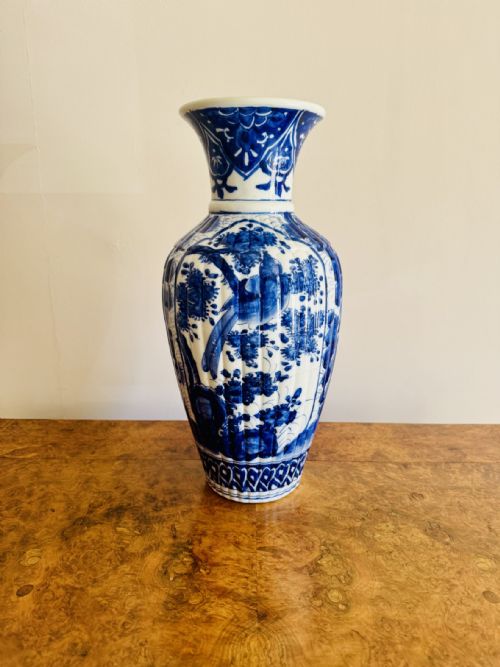
Cinnabar lacquer requires layers of red lacquer applied to a core before carvers cut deep geometric and figurative patterns into the surface. Stoneware and porcelain forms utilise cobalt underglazes, copper-reds, and celadon glazes.
Materials range from solid silver and brass to earthenware, cloisonne enamel, and carved cinnabar lacquer.
Distinguishing the execution
The refinement of the chasing and the crispness of the wirework define the tier of metal and enamel pieces. Superior bronze castings display sharp detail in feather or facial work without surface pitting, while lesser examples show softer, blurred definition.
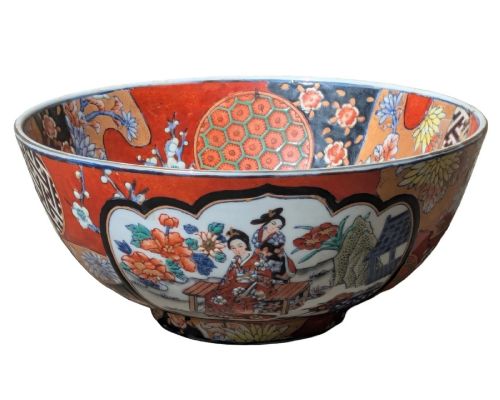
Ceramic quality rests on the precision of the enamel painting and the control of the kiln firing. Finely executed satsuma wares exhibit microscopic crackle glazes overlaid with meticulous figural scenes and secure gold leaf application.
Signed bases and attribution to known studios or makers elevate a piece beyond standard export ware. The weight of the metal and the balance of the vessel form indicate the deliberate care taken during manufacture.
KANASAWA·Makuzu Kozan II·Chosei·Kizan
The Asian Decorative Vessel Glossary
- Cloisonne
- Enamelwork created by soldering metal wires to a base to form compartments filled with paste and fired. This technique produces intricate, colourful surface patterns.
- Satsuma
- Japanese earthenware featuring an ivory-coloured, crackled glaze painted with enamels and gilt. These ceramics were widely produced for export during the nineteenth century.
- Jardiniere
- A large decorative pot or planter designed to hold growing plants. Examples in this category are often cast in bronze or fashioned from ceramic.
- Baluster
- A vase shape with a rounded body that tapers toward the base and flares at the neck. This architectural silhouette supports detailed pictorial panels.
- Cinnabar
- Carved red lacquer built up in numerous coats over a core. Artisans carve deep relief scenes directly into the hardened layers.
- Koro
- A traditional incense burner featuring a perforated lid to release aromatic smoke. These vessels frequently stand on small legs and incorporate guardian lion details.
Asian Decorative Vessel: Frequently Asked Questions
How do I care for bronze vessels?
Dust bronze surfaces regularly with a soft, dry brush to prevent particle accumulation. Avoid chemical polishes that strip historical patinas.
Keep pieces away from direct moisture and handling oils to preserve the original metal finish.
What is an Ikebana basket?
An Ikebana basket is a woven bamboo vessel traditionally used in Japanese flower arrangements. These pieces hold water in internal liners while displaying organic, asymmetrical forms.
They reflect traditional aesthetics centred on natural materials and seasonal display.
How do I date a cloisonne vase?
Examine the weight, wire thickness, and base plate construction of the piece. Nineteenth-century examples often utilise heavier copper bases with thicker wire cells compared to later iterations.
Examine the palette and finish for signs of traditional firing methods and age-related wear.
Where should I display these vessels?
Place heavier bronze and lacquer pieces on stable surfaces away from high-traffic edges. Ensure delicate porcelain and enamel items sit out of direct, intense sunlight to protect the pigments.
Pair vessels with neutral backdrops to highlight their intricate surface details.