


Asian Ceramic Ornament
These Asian ceramic ornament selections bring together centuries of skilled handiwork, offering striking figures and vessels that enrich any interior.
Asian Ceramic Ornament
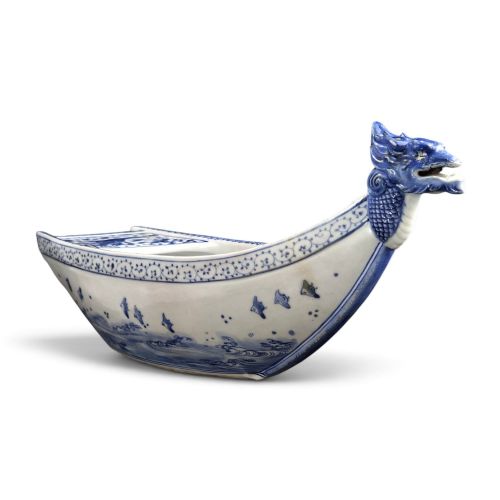
An Asian ceramic ornament encompasses diverse sculptural forms, from temple figures and mythical animals to decorative vases and architectural roof tiles. Buyers exploring this category frequently encounter pieces originating from Japanese and Chinese kilns, spanning centuries of distinct regional production.
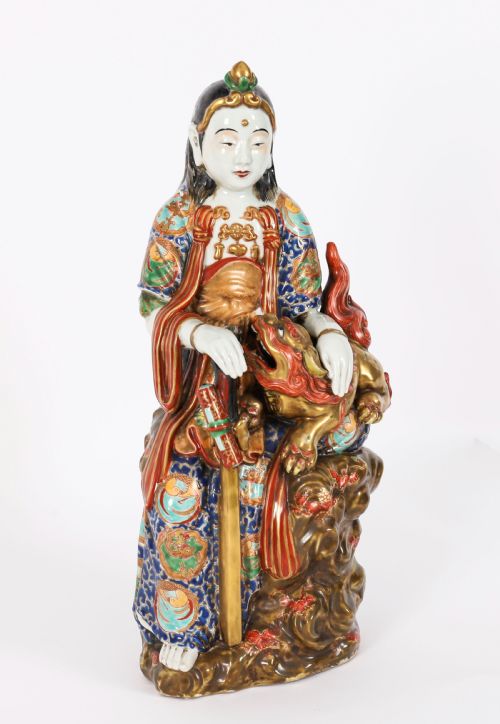
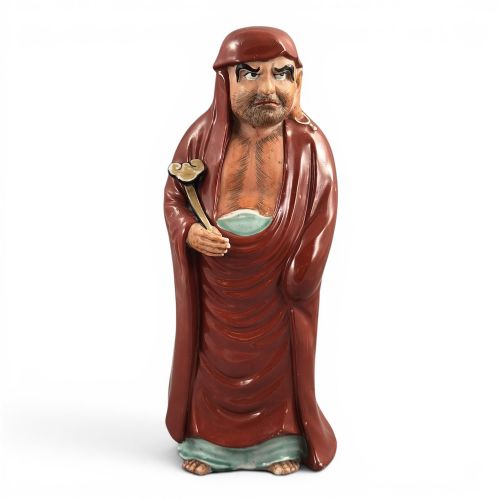
The selection ranges from intricate Meiji period okimono and Kutani deities to Chinese export figures and early style pottery statues. Most examples take the shape of revered figures, Buddhist lions, or waterfowl rendered in durable clay and porcelain.
Makers across different eras focused heavily on expressive characterisation, capturing deities, sages, and animals with distinct postures and traditional attributes. These sculptures function primarily as display pieces, designed to command attention on mantelpieces, cabinets, and pedestals.
How they were made
Potters shaped these pieces from refined porcelain, earthenware, and terracotta, utilising manual throwing and moulding techniques suited to complex figurative designs. Once formed, the bodies received careful application of mineral glazes, sancai finishes, or detailed polychrome enamel work.
Firing required precise kiln control to achieve the vibrant tones of famille verte or the deep lustre of traditional glazes without damaging the delicate ceramic body. Selected details often received secondary embellishments such as gold leaf accents or fine overglaze painting before final firing.
Listings feature works spanning the eighteenth, nineteenth, and early twentieth centuries, encompassing both Chinese Qing dynasty export wares and Japanese Meiji period creations.
What varies in quality
Excellence in these ornaments shows through the precision of the modelling, where facial expressions, hand gestures, and anatomical details remain sharp and convincing. Superior pieces display confident brushwork and rich, stable glaze applications that show depth rather than flat colour.
The overall presence of a figure depends on the balance of its proportions and the subtlety of its enamel or gold leaf detailing. Master workshops achieved a level of crispness in the carving and painting that distinguishes high-tier artistic output from standard commercial production.
Makuzu Kozan II·Satsuma
The Asian Ceramic Ornament Glossary
- Okimono
- A Japanese freestanding decorative figurine or sculpture intended for display in a household setting. These pieces often depict mythological figures, deities, or animals with high attention to carved detail.
- Sancai
- A traditional three-colour low-firing glaze technique associated with Chinese pottery, typically employing amber, green, and cream or white tones. This glaze style creates characteristic running effects across the ceramic surface.
- Famille verte
- A Chinese porcelain palette dominated by green enamel overglaze colours, developed during the Qing dynasty. It creates bright, multi-coloured pictorial surfaces on vessels and figures.
- Guanyin
- A revered East Asian bodhisattva of compassion often rendered in porcelain or ceramic sculpture. These figures typically feature serene facial expressions and flowing robes.
- Shishi
- A traditional guardian lion or Buddhist lion sculpture placed to ward off malevolent spirits. These powerful figures appear frequently in both Japanese and Chinese ceramic traditions.
Asian Ceramic Ornament: Frequently Asked Questions
How do I care for ceramic figures?
Ceramic and porcelain sculptures require gentle dusting with a soft, dry brush to prevent the accumulation of dirt in fine crevices and detailed enamel work. Avoid using liquid cleaners or abrasive cloths, which can damage delicate gold leaf or overglaze painting.
Keep pieces away from direct sunlight and areas subject to sudden temperature changes to protect the glaze and clay body over time.
What does sancai glaze look like?
Sancai glaze is a distinct multi-coloured ceramic finish that typically combines amber, green, and cream or off-white tones. The glazes run and blend naturally during the high-temperature firing process.
This technique creates rich, mottled surfaces that catch the light and highlight the contours of moulded pottery figures and vessels.
How do I identify a Meiji period piece?
Meiji period ceramics generally date from the late nineteenth to the early twentieth century, reflecting a time of intense artistic output and international export. These works often feature intricate polychrome enamels, refined porcelain bodies, and subjects such as deities or domestic animals.
Examining the base for kiln marks and assessing the precision of the hand-painted details helps confirm the era of production.