


Asian Art Object
These pieces of asian art object bring centuries of refined craftsmanship and enduring material culture directly into your home.
Asian Art Object
The versions most frequently met on this page include Qing Dynasty carvings, Meiji period Japanese figures, and Ming Dynasty bronzes. Materials vary widely, encompassing jade, tortoise shell, buffalo horn, bronze, and soapstone.
Each object reflects specific cultural practices, spanning scholarly pursuits, religious devotion, and imperial patronage. Understanding the interplay of period and material helps collectors navigate the field effectively.
How they were made
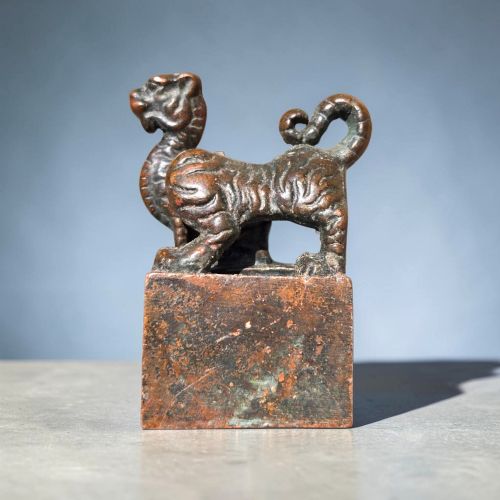
Craftsmen utilised traditional casting techniques for metal works, producing intricate bronze ritual vessels and nested seal sets with detailed surface decoration. Enamel and gold leaf were frequently applied to enhance bronze and cloisonne pieces.
Organic materials like tortoise shell, buffalo horn, and root wood required specialised carving methods to achieve high relief and fine surface textures. Hardstones such as jade were painstakingly shaped and polished by hand to reveal natural translucency.
Soapstone and porcelain were worked using traditional cutting and glazing tools suited to their specific densities and structural properties. Every technique was refined over generations within established workshops and regional centres.
Jurojin takes the form of a genial old man accompanied by a sacred deer, quietly ensuring longevity for everyone in the room.
What varies in quality
The standard of execution in carving and casting marks the primary division between ordinary pieces and superior examples. Master carvers achieved remarkable depth and anatomical precision in jade, wood, and horn.
Material selection dictates much of the inherent value, particularly in the clarity and colour of jade or the weight and patina of bronze. Age-related surface wear provides context for authenticity without diminishing the integrity of the design.
The Asian Art Object Glossary
- Qing Dynasty
- The final imperial dynasty of China, lasting from 1644 to 1912, known for prolific artistic production in jade, porcelain, and carved organics. Pieces from this era often display intricate detailing and deep reverence for earlier archaic forms.
- Meiji Period
- An era in Japanese history spanning from 1868 to 1912, marked by the modernisation of the nation and exceptional decorative arts output in bronze, ceramic, and cloisonne. Works from this time frequently combine traditional iconography with advanced technical mastery.
- Ming Dynasty
- The ruling dynasty of China from 1368 to 1644, celebrated for robust bronze casting and sophisticated scholar's objects. Artefacts surviving from this period exhibit a distinct heaviness and purposeful design.
- Cloisonne
- An enamelwork technique where metal wire is soldered to a metal body to create compartments that are filled with paste and fired. This method produced vibrant decorative surfaces on Japanese censers and vessels.
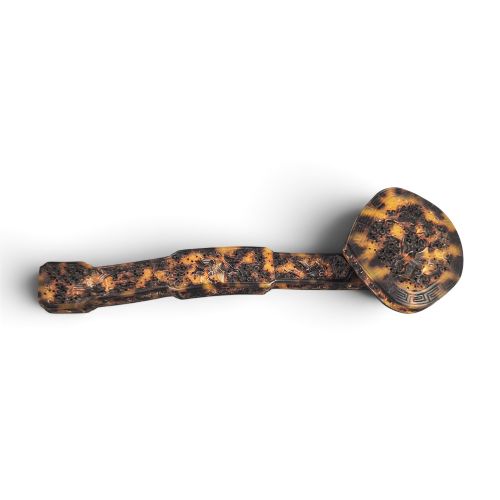
- Ruyi Sceptre
- A traditional Chinese scepters shaped like a ceremonial hand-list, symbolising power and good fortune. They are frequently carved from precious materials like jade, wood, and tortoise shell.
Asian Art Object: Frequently Asked Questions
How do I identify a Qing Dynasty piece?
Qing Dynasty items often display specific stylistic traits such as multi-layered carvings, formalised dragon motifs, and particular reign marks. The materials used, including highly polished jade and carved tortoise shell, align with imperial aesthetic standards.
Examining the tool marks and natural patina helps confirm the age and origin of these historic works.
What is the Meiji period?
The Meiji period marks a transformative era in Japanese history when traditional craftsmanship met new industrial techniques. Artisans produced highly detailed bronzes and cloisonne pieces for both domestic and international markets.
Works from this time are recognised by their intricate ornamentation and dynamic figurative styling.
How should I care for organic materials?
Organic materials like buffalo horn, tortoise shell, and root wood require stable environmental conditions to prevent drying and cracking. Keeping them away from direct sunlight and extreme humidity changes preserves their structural integrity.
Gentle dusting with a soft, dry cloth is sufficient for routine maintenance.
What is a bronze ritual tripod wine vessel?
A bronze ritual tripod wine vessel, known as a jue, is an ancient Chinese vessel form used in ancestor worship and ceremonial banquets. These three-legged containers feature characteristic loop handles and animal mask motifs.
Later periods often reproduced or referenced these archaic forms to connect with historical traditions.