






Asian Carved Stone Statues
Asian carved stone statues bring centuries of ritual devotion and masterly sculpture into a room through enduring materials.
Asian Carved Stone Statues
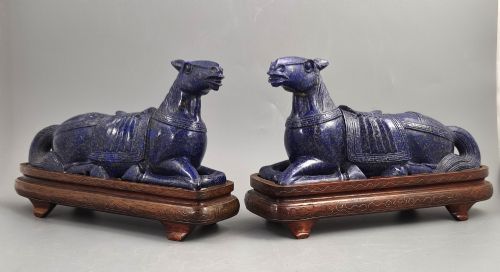
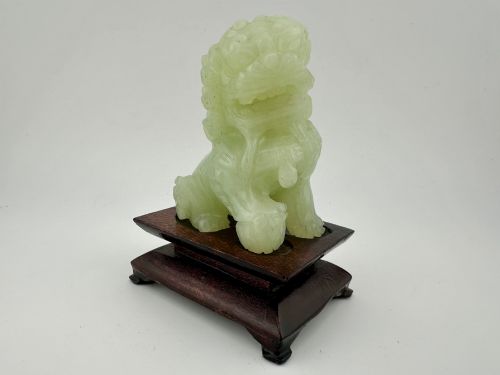
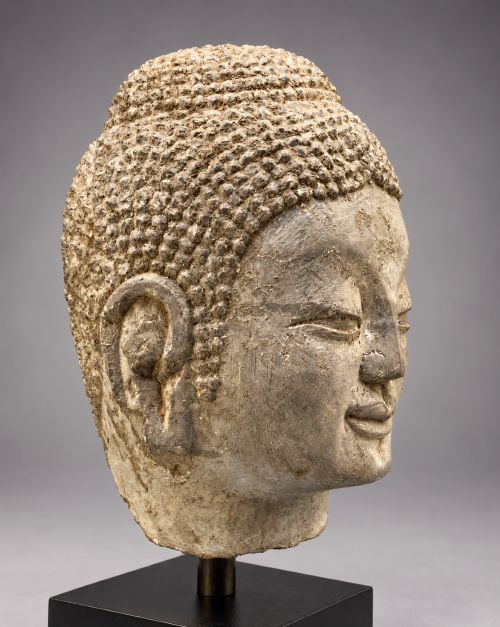
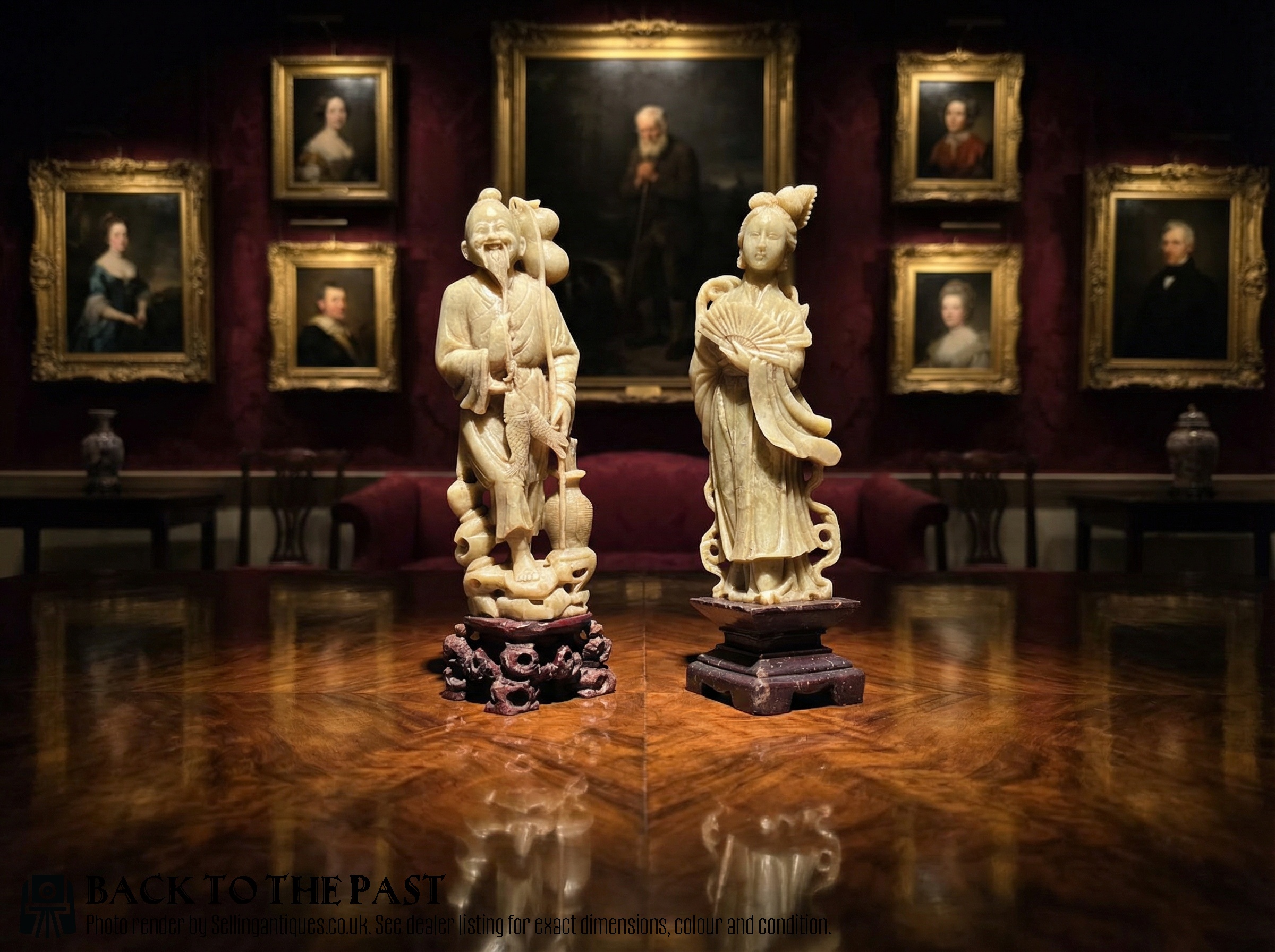
Asian carved stone statues encompass figures of deities, temple guardians, sages, and animals rendered in materials ranging from limestone and sandstone to jade and soapstone. These sculptures span periods from pre-sixteenth century works through the Ming and Qing dynasties to nineteenth-century interpretations.
The version most commonly met on this page is the Chinese sculpture, particularly figures of Buddha, temple lions, or sages originating from dynastic and later periods. Alongside these, Southeast Asian works such as Burmese marble and sandstone temple figures appear frequently.
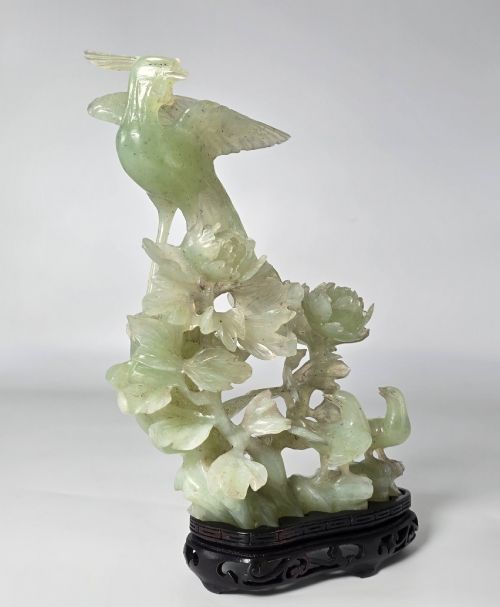
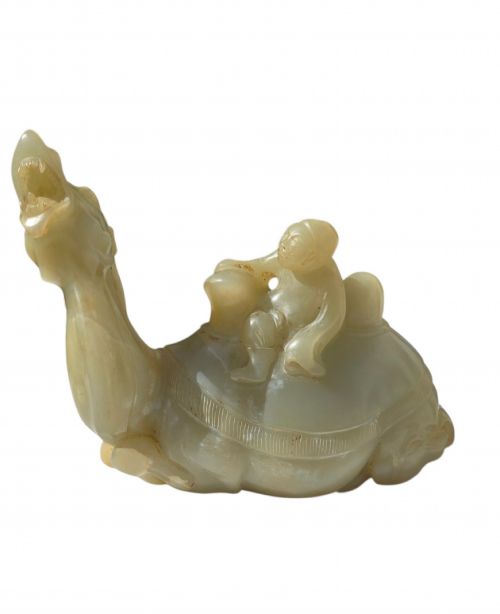
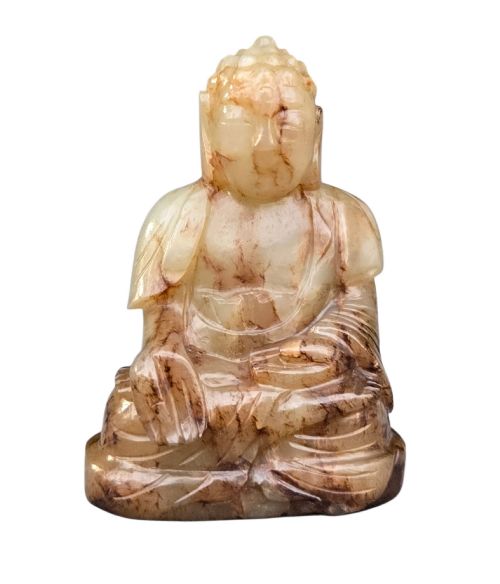
Forms vary from monumental camel and rider groups and reclining Buddhas to intimate bird groups and rooster sculptures. Each piece reflects the specific religious, decorative, or stylistic traditions of its region and era.
How they were made
Makers shaped these Asian carved stone statues using hard and soft stones, including limestone, sandstone, marble, soapstone, jade, and bowenite serpentine. Artisans also integrated organic elements like wood and hardwood for stands, whilst certain nineteenth-century pieces applied gold leaf over the carved stone surface.
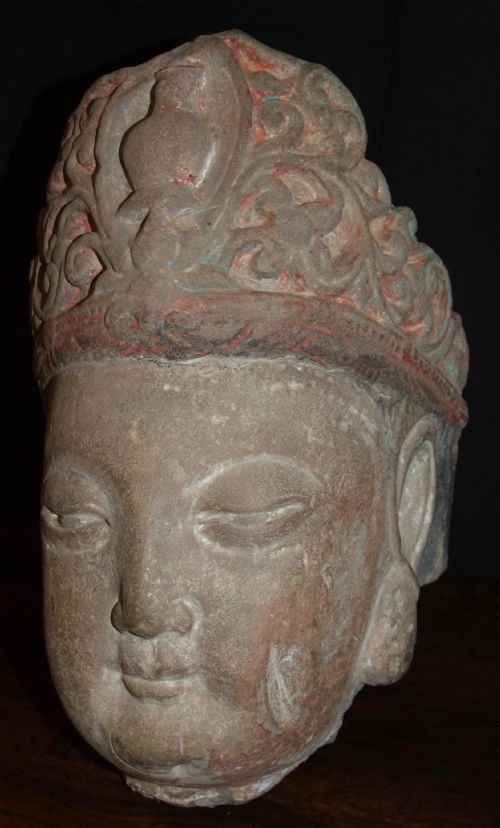
Techniques relied on hand-chiselling, incising, and polishing to extract natural contours from intractable materials. Sculptors balanced rigid geological constraints with fluid drapery and anatomical expression, whether executing a fifteenth-century Buddha head or a twentieth-century decorative group.
Object types recorded on this page span sculptures, hardstone carvings, temple statues, and decorative figures originating from China and Southeast Asia.
What varies in quality
Quality rests upon the sculptural confidence of the carving and the fidelity of the anatomical or stylistic execution. Masterworks display acute sensitivity in facial expressions and drapery folds, whereas lesser examples rely on mechanical repetition and crude finishing.
The inherent grade and rarity of the medium dictate distinction, with flawless jade or well-crystallised bowenite serpentine commanding greater sculptural presence than common limestone or generic soapstone. Integrity of surface preservation and the harmonious balance of the original composition further define the upper tier.
The Asian Carved Stone Statues Glossary
- Soapstone
- A relatively soft, talc-based stone that allows for intricate, delicate carving whilst possessing a distinctive soapy lustre. It was frequently utilised for smaller figures and decorative groups.
- Hardstone
- A general term for semi-precious stones such as jade, nephrite, and bowenite that require specialised abrasive cutting techniques. These materials yield exceptionally durable sculptures with high polish.
- Bowenite
- A hard, compact variety of serpentine resembling jade in appearance and physical tenacity. It is typically associated with significant Qing dynasty animal and rider groups.
- Foo Dog
- A traditional Chinese guardian lion figure placed outside temples and palaces to ward off evil spirits. These mythical beasts combine leonine strength with stylized, curling manes.
Asian Carved Stone Statues: Frequently Asked Questions
How do I date an Asian stone statue?
Dating relies on stylistic markers such as facial proportions, drapery treatment, and the specific iconography associated with periods like the Ming dynasty or Mandalay period. Tool marks and the weathering of the stone also offer crucial chronological clues.
Comparing pieces against known examples from temple sites or imperial workshops helps establish a reliable timeframe for unrecorded sculptures.
Where were these statues originally placed?
Many of these sculptures stood within Buddhist and Hindu temples, domestic shrines, or palace courtyards as objects of veneration and protection. Guardian figures like lions and Foo Dogs traditionally flanked doorways.
Smaller hardstone and soapstone carvings were designed for scholars' desks and interior display cabinets within elite households.
How should I clean a stone statue?
Gentle dusting with a soft, dry brush is generally sufficient to maintain the surface without disturbing patination or fragile mineral structures. Water and chemical cleaners should be avoided, particularly on softer stones like soapstone or surfaces with gold leaf.
Consulting a professional conservator is advisable if deeper cleaning or structural stabilization becomes necessary.
What is the difference between jade and soapstone?
Jade is an extremely hard, dense mineral that resists scratching and requires specialised abrasives to carve, whereas soapstone is soft enough to be worked with basic hand tools. This physical disparity dictates the level of fine detail and the weight of the finished sculpture.
Visual inspection reveals jade to possess a cool, vitreous depth, while soapstone often feels more waxy to the touch.
Are these statues weatherproof for garden use?
Most antique Asian carved stone statues, particularly those created for indoor temple or scholarly use, are unsuited to modern outdoor weathering. Frost, dampness, and pollution can rapidly erode delicate carvings, limestone surfaces, and applied gold leaf.
Displaying these pieces within stable indoor environments preserves their structural integrity and historical surface patination.