



Asian Carved Plant Stand
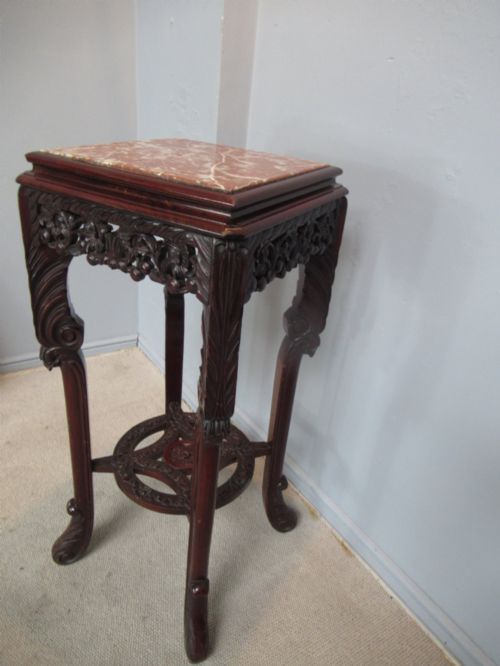
An asian carved plant stand lifts a heavy urn or a trailing stem, bringing structure and height to a room through dense carving and solid timber.
Asian Carved Plant Stand
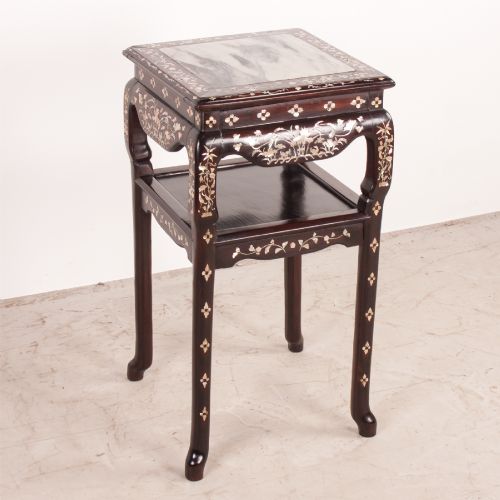
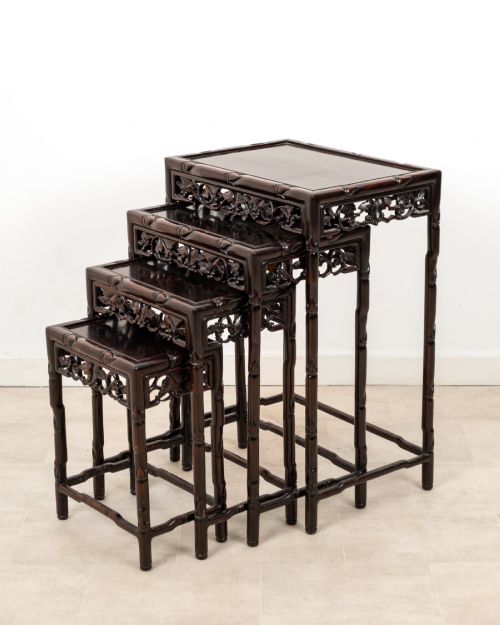
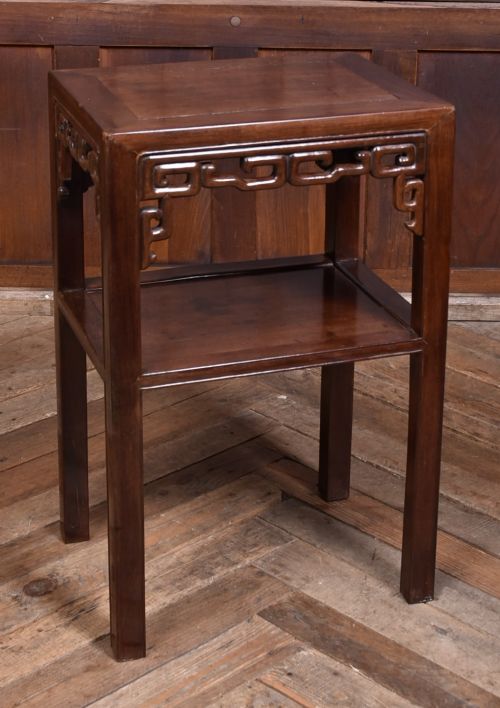
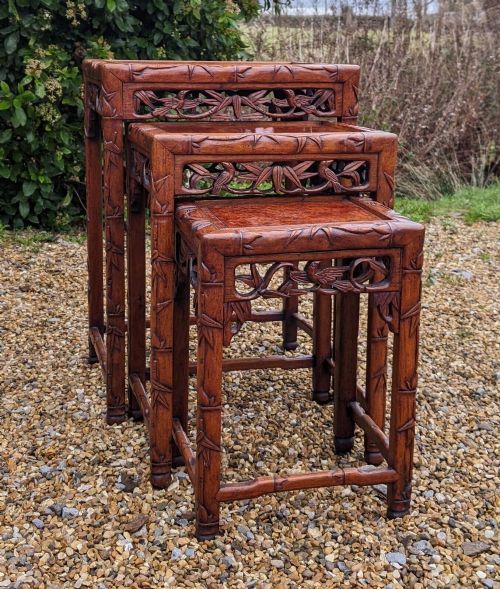
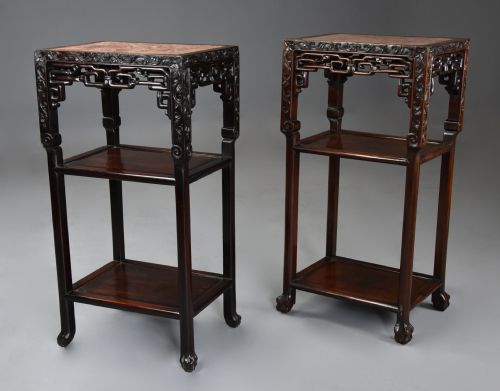
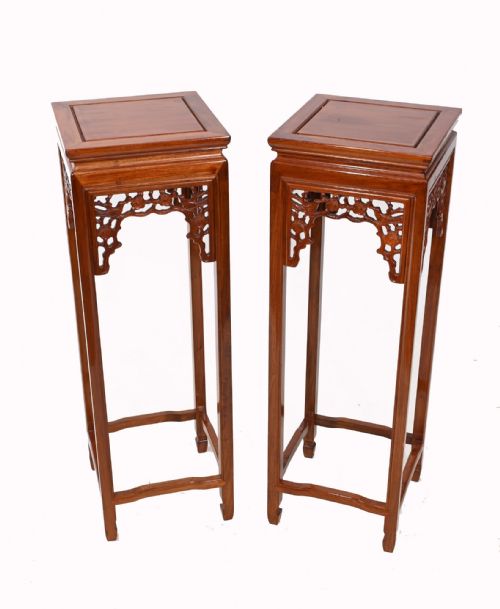
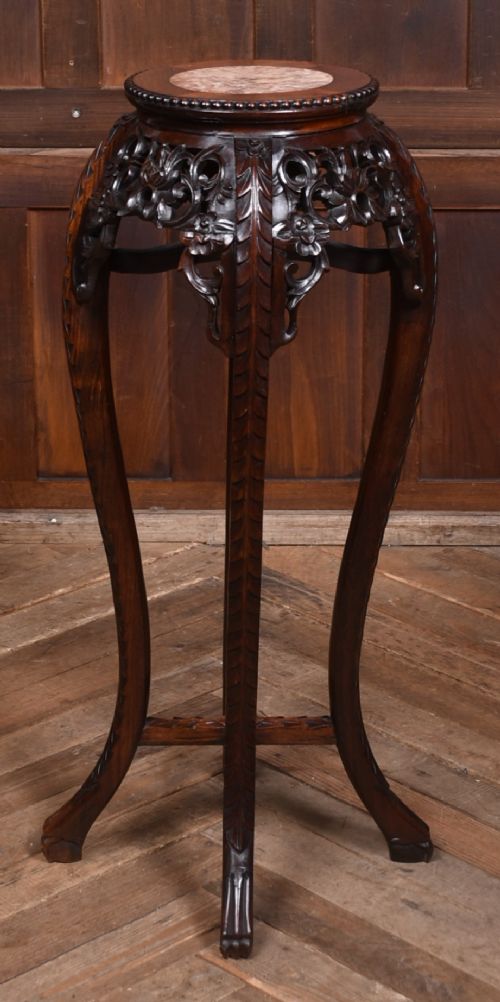
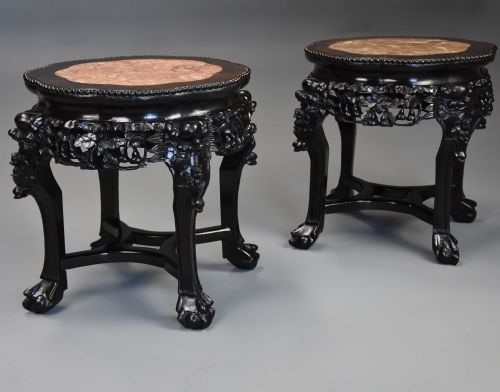
An asian carved plant stand serves as a raised platform for pottery, vases, and urns, taking forms such as torchères, occasional tables, and pedestal stands. Buyers searching this phrase encounter nineteenth-century pieces alongside works from around nineteen-ten, often built in matched pairs or graduated sets.
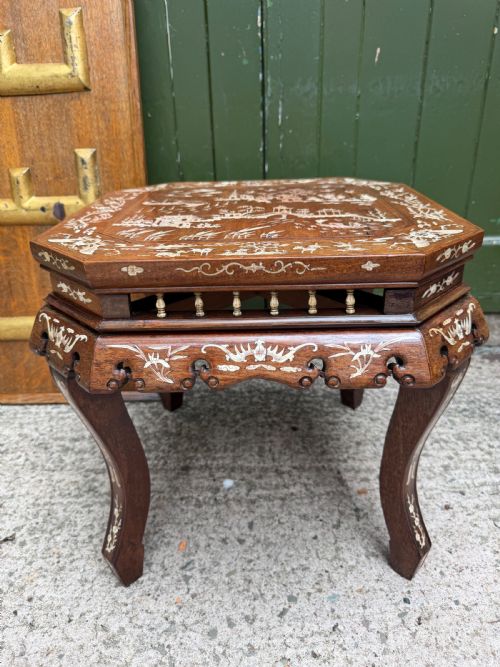
The majority of these objects originate from Chinese workshops spanning the Qing dynasty and the late nineteenth century, while Japanese Meiji examples also appear. Forms range from round marble-topped vase stands to low stools and square multi-tiered pot stands.
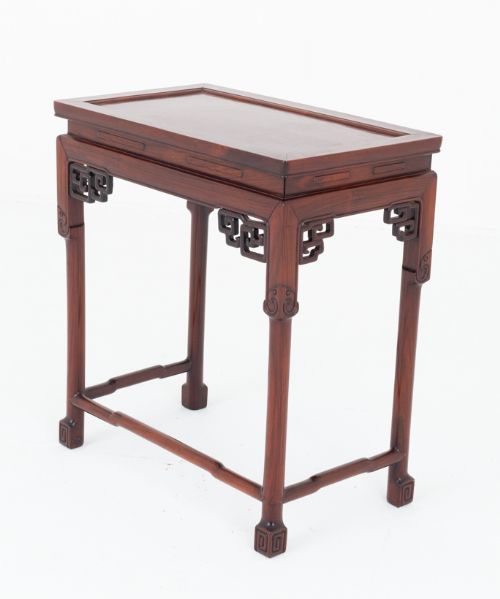
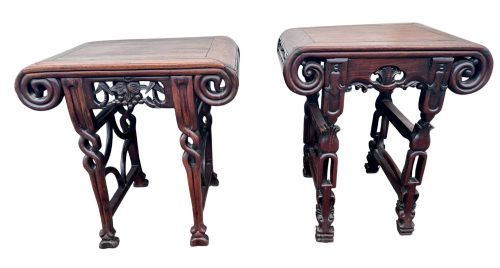
Makers shaped these stands for domestic interiors to display decorative vessels at a comfortable viewing height. Their profiles vary from tall torchère stands to compact side tables and nests of tables.
How they were made
Cabinetmakers utilised dense Asian hardwoods including rosewood, huanghuali, hongmu, and padouk, which tolerated intricate hand-carving without splitting. These heavy timbers provided the structural stability required to support stone inserts and weighted porcelain vessels.
Insets of polished marble and quartz formed cool, resilient surfaces at the centre of many tops, contrasting with the dark warmth of the surrounding wood. Other pieces incorporated mother of pearl inlay, gold leaf, and painted lacquer finishes over carved wooden structures.
Selected stands abandon conventional geometry entirely, taking the form of sculpted wooden elephants complete with carved tusks and textured bodies.
What varies in quality
The distinction between tiers of quality rests upon the depth and crispness of the hand-carving, particularly around pierced aprons and claw feet. Superior examples display deeply undercut foliage, dragons, and figures that retain sharp definition, whereas simpler items show shallow, mechanised tooling.
Material selection dictates the character of the piece, with richly figured grain and well-matched timber sections commanding greater attention. The integration of flawless stone inserts and tight, traditional joinery without excessive metal fasteners separates workshop standards.
The Asian Carved Plant Stand Glossary
- Hongmu
- A dense, dark red-brown hardwood favoured in traditional Chinese furnituremaking. It supports intricate, deep-relief carving without losing structural integrity.
- Torchère
- A tall, slender stand designed specifically to hold a lamp, urn, or jardiniere. These elevated supports lift decorative objects well above floor level.
- Jardiniere stand
- A low or medium table built to support a large ornamental plant pot or flower bowl. They frequently incorporate inset marble tops to resist moisture.
- Huanghuali
- A highly prized fragrant hardwood prized for its exceptional grain patterns and warm colour. Furniture made from this timber dates primarily to earlier periods and exhibits superior cabinetwork.
- Padouk
- A heavy, durable tropical hardwood with a reddish hue that darkens with age. It provides a sturdy framework for carved Chinese tables and stands.
Asian Carved Plant Stand: Frequently Asked Questions
How were plant stands used?
These stands elevated heavy jardiniere bowls, porcelain vases, and potted plants to prominent eye levels within nineteenth-century rooms. They functioned as focal points in corners or alongside seating.
Their sturdy tops also allowed them to double as occasional tables or lamp supports when a plant was absent.
What is hongmu wood?
Hongmu translates as red wood and designates a category of dense, heavy tropical hardwoods used in traditional Chinese cabinetmaking. The timber accepts deep, crisp hand-carving.
Over time, exposure to light deepens its natural red and brown tones.
How do I date a stand?
Dating relies on timber choice, construction methods, and stylistic cues linked to the Qing dynasty or the Meiji period. Nineteenth-century examples often display hand-cut joinery and heavy, unyielding hardwoods.
Later pieces from the early twentieth century may show transitional styles influenced by Western export markets.