



Asian Bronze Animal Figure
An asian bronze animal figure brings sculptural weight and narrative detail to a room, ranging from small trade weights to large temple lions.
Asian Bronze Animal Figure
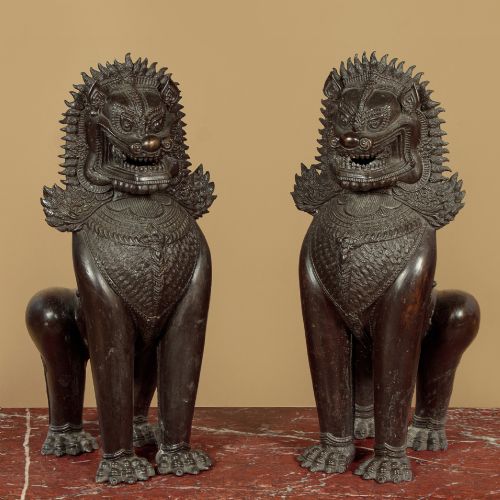
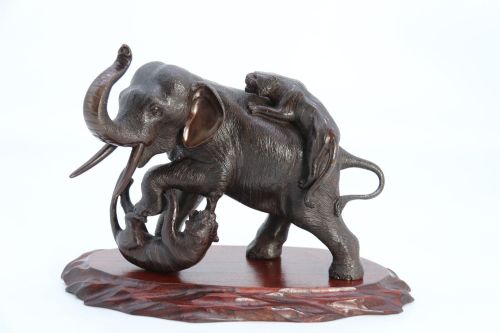
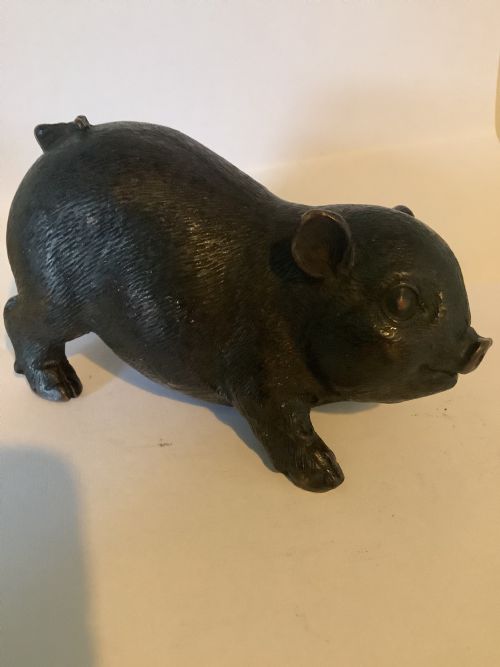
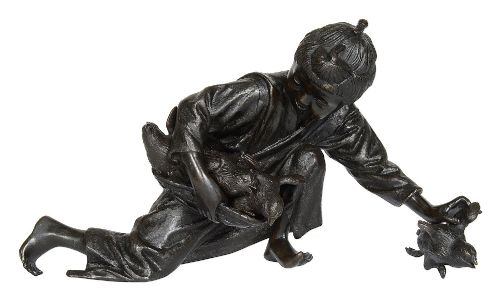
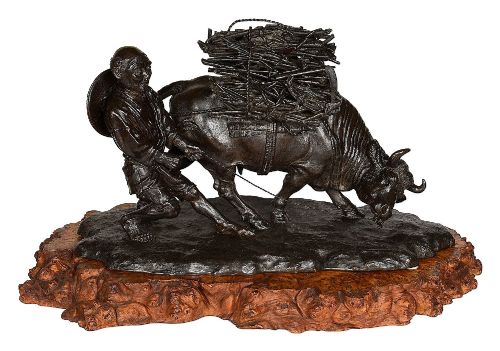
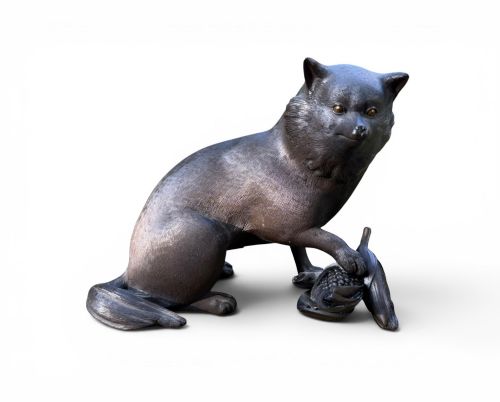
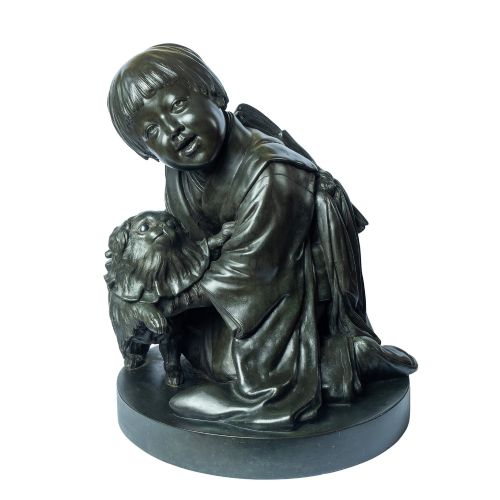
When you search for an asian bronze animal figure, you encounter sculptures spanning the nineteenth and early twentieth centuries, originating from Japan, China, India, and Burma. The most common forms on this page are Japanese Meiji period okimono depicting animals such as elephants, tigers, buffalo, horses, and temple lions. These range from domestic tabletop sculptures to large floor pieces.
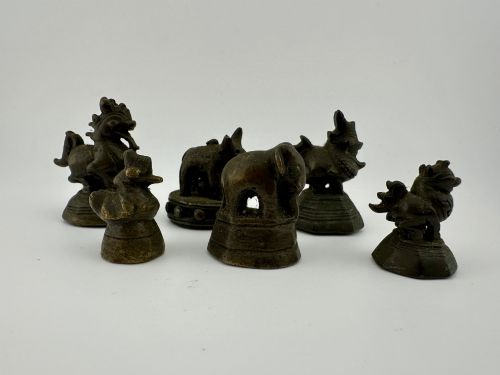
Beyond the Japanese works, the selection includes Chinese horses and temple lions, as well as nineteenth-century Indian elephant sculptures with riders and Burmese trade opium weights in animal forms. The styles stretch from Qing Dynasty aesthetics to Southeast Asian regional designs, capturing both domestic creatures and symbolic beasts.
The scale of these figures varies significantly, from small sets of graduated weights measured in ticals to massive sculptures stretching over sixty centimetres in length. Each piece reflects the sculptural traditions of its region of origin, whether designed as an independent decorative okimono or cast as a pair of temple guardians.
How they were made
These figures are predominantly formed in bronze, utilising traditional metalcasting techniques common to Asian foundries of the nineteenth and early twentieth centuries. Some pieces incorporate mixed media elements, pairing the cast metal with supportive mounts or bases in materials such as wood, burr wood, hardwood, bone, or brass.
Surface finish and detail are achieved through hand-engraving, chasing, and patination, as seen in the fine surface work on Indian elephant sculptures and Japanese animal okimono. Many pieces are finished with signatures or foundry marks inscribed directly into the metal.
Asian Bronze Animal Figure Retail Price Guide 2026
Typical asking prices for asian bronze animal figure among the pieces listed under this phrase on Sellingantiques today, from the lower quarter to the upper quarter. They describe what is for sale here now, not the wider market.
Listings span the nineteenth and twentieth centuries, featuring materials such as bronze, brass, wood, burr wood, bone, and hardwood.
What varies in quality
The distinction between tiers of work rests upon the precision of the casting and the depth of the hand-engraving applied to the surface. Master founders achieved realistic musculature, fur texture, and anatomical proportion, whereas lesser examples rely on simpler cast forms with minimal surface chasing.
Artist signatures and foundry attribution elevate specific pieces, particularly signed Japanese Meiji period okimono from known makers. The presence of original bases or matched pairs also shapes the standing of a sculpture within its type.
Masaaki·Seiunsai Miyamoto Sei·Shosai
The Asian Bronze Animal Figure Glossary
- Okimono
- A Japanese display piece or decorative statue designed for placement in a traditional room setting. These freestanding sculptures often depict animals, figures, or subjects from nature.
- Meiji Period
- The era of Japanese history lasting from 1868 to 1912, noted for technical mastery in metalwork and the production of intricate bronze sculptures for export.
- Qing Dynasty
- The final imperial dynasty of China, lasting from 1644 to 1912, associated with formal bronze casting traditions and symbolic temple figures.
- Tical
- A traditional unit of weight used in Southeast Asia, referenced in the measurement and grading of antique trade opium weights cast in animal forms.
- Temple Lion
- A traditional guardian figure, often cast in pairs, placed at the entrances of sacred structures in various Asian architectural traditions.
Asian Bronze Animal Figure: Frequently Asked Questions
How do I identify a Meiji period bronze?
Meiji period bronzes are typically characterised by high technical skill in casting, detailed surface chasing, and naturalistic animal subjects. Many feature carved signatures or foundry seals on the underside or reverse.
These pieces often date between the late nineteenth and early twentieth centuries, reflecting the period's export market output and domestic fine metalwork traditions.
What are opium weights?
Opium weights are small trade weights cast in geometric or animal forms, such as elephants or birds. Originating in Burma and Thailand, they were used in sets for commercial transactions.
Graduated by weight standards like the tical, these bronze pieces served a practical mercantile function before becoming collector items.
Where should I place a bronze animal figure?
These sculptures suit tabletops, sideboards, or dedicated display surfaces where their form and patina can be observed closely. Larger figures, such as temple lions or floor-standing elephants, function well as focal points in a room.
Ensure the surface is stable enough to support the substantial weight of solid bronze objects.
How do I care for antique bronze?
Dust the surface regularly with a soft, dry cloth to prevent particulate buildup. Avoid using commercial metal polishes or harsh chemical cleaners, which can strip the original historic patina.
Keep the bronze away from damp environments and direct heat sources to preserve the metal finish over time.