






Asian Art Metalwork
Asian art metalwork brings together cast bronzes and enamelled vessels shaped across the Meiji and Qing periods.
Asian Art Metalwork
Asian art metalwork encompasses sculptural bronzes, vessels, and enamelled pieces originating from Japan and China across the eighteenth, nineteenth, and early twentieth centuries. These objects range from ritual tripod vessels and garden bridges to delicately decorated vases, chargers, and netsuke.
Vases and decorative chargers dominate the selection available on this page, frequently rendered in cloisonné enamel or patinated bronze. Collectors encounter works spanning the Edo, Meiji, Taisho, and Qing periods, each carrying distinct regional techniques.
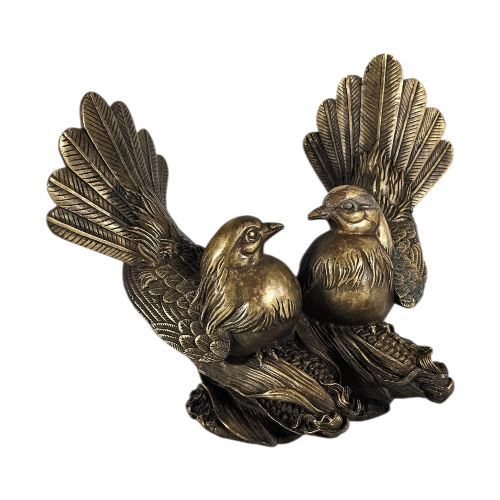
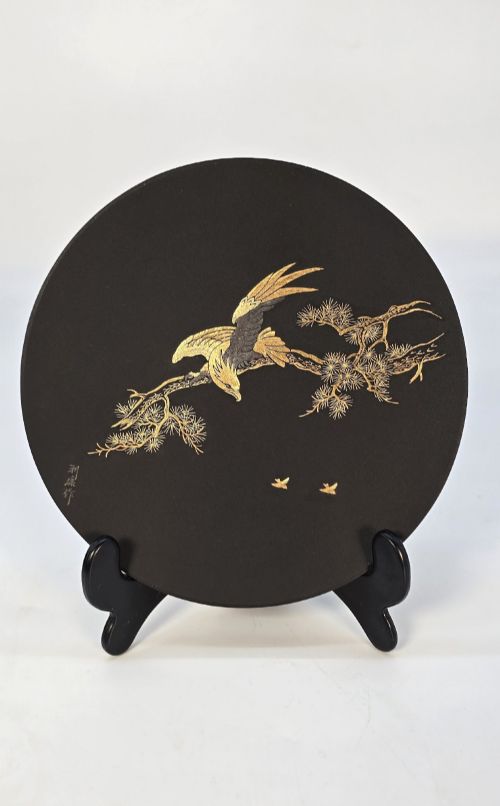
The material forms vary widely, including lidded gourd pots, censers, sculptures of figures and animals, and flat plaques inlaid with gold and silver. These creations reflect both domestic decorative arts and ritual traditions.
Materials and Techniques
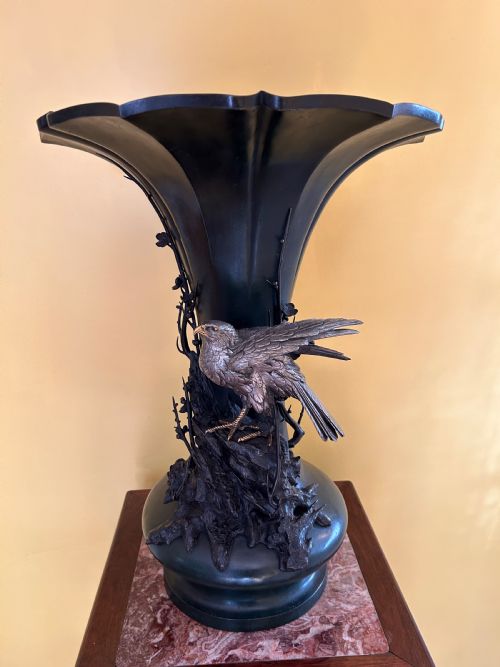
Casting forms rely heavily on bronze, brass, and copper, often finished with patination or detailed with gold and silver inlay. Artisans shaped these metals into intricate sculptures, jardinières, and vessels such as the traditional tripod jue.
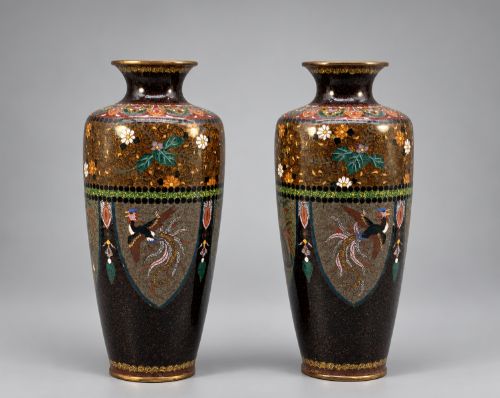
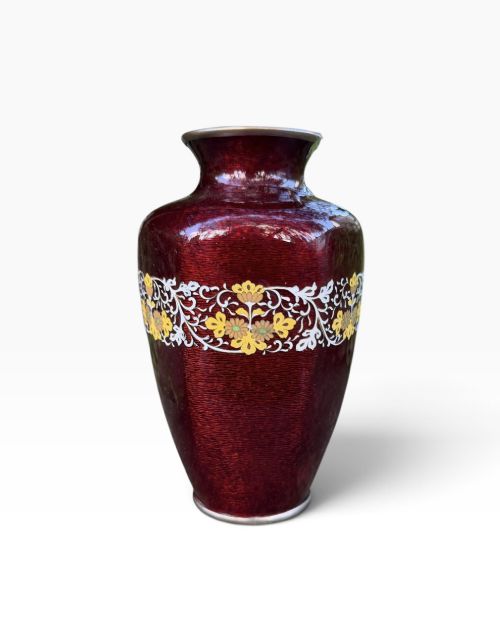
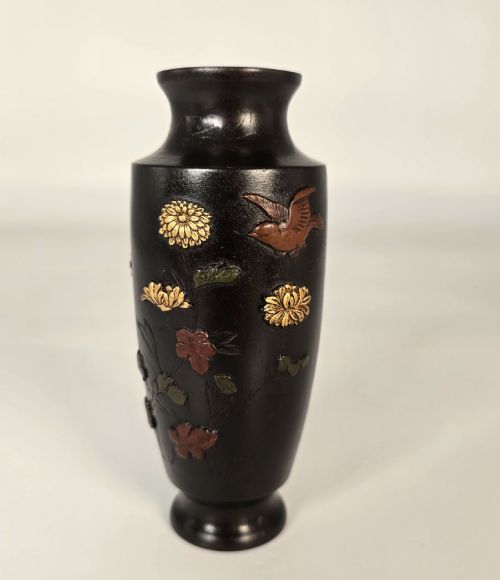
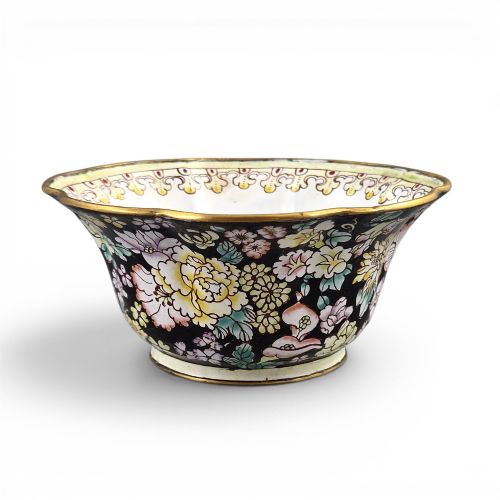
Enamelling techniques define many of the surface designs, utilising cloisonné, champlevé, and ginbari methods to create vivid depictions of birds, dragons, and floral motifs. Fine wirework partitions the enamel paste before firing, securing the colourful compositions across vases and chargers.
Asian Art Metalwork Retail Price Guide 2026
Typical asking prices for asian art metalwork among the pieces listed under this phrase on Sellingantiques today, from the lower quarter to the upper quarter. They describe what is for sale here now, not the wider market.
Listings feature items from the eighteenth, nineteenth, and early twentieth centuries, utilising bronze, copper, brass, pewter, and cloisonné enamel.
Assessing Quality
The standard of Asian art metalwork rests upon the precision of the casting and the execution of the surface ornamentation. Finer examples display crisp detail in patinated bronzes and perfectly even cells within cloisonné enamel work.
Signatures and marks often distinguish superior pieces, reflecting the skill of workshops that produced complex mixed metal inlays and balanced compositions. The weight and stability of cast bronze figures or ritual vessels further indicate the level of craftsmanship involved.
The Asian Art Metalwork Glossary
- Cloisonné enamel
- A metalwork technique where fine wires are soldered to a metal base to create compartments, which are then filled with coloured enamel paste and fired.
- Champlevé enamel
- A method where troughs or cells are carved directly into the metal surface and filled with enamel before firing.
- Patination
- The chemical or natural process of altering the surface colour of bronze, copper, or iron through oxidation.
- Jue
- An ancient Chinese tripod wine vessel featuring an elegant cup shape supported on three slender legs.
- Ginbari
- A Japanese enamelling technique involving a textured or foiled background beneath transparent enamel to create depth and pattern.
Asian Art Metalwork: Frequently Asked Questions
What periods do these metalwork pieces cover?
The pieces span from the eighteenth century through to the early twentieth century, encompassing the Edo and Meiji periods in Japan alongside the Qing Dynasty in China.
This broad timeline shows the evolution of traditional casting methods into more intricate decorative arts during the late nineteenth century.
How are bronze and enamel usually combined?
Makers often used bronze as the foundational body for censers, vases, and bowls before applying enamel decoration across the surface.
This union allowed artisans to utilise durable cast metal structures while displaying colourful botanical and animal motifs.
Where should I display large bronze sculptures?
Large garden bronzes and jardinières suit open spaces where their weight and architectural presence can be fully appreciated.
Smaller vessels and plaques fit well on stable surfaces away from direct moisture to protect delicate patination and inlay.
How can I tell Meiji period pieces apart?
Meiji period items frequently feature elaborate cloisonné work, mixed metal inlays, and dynamic depictions of dragons, birds, and natural scenes.
These works reflect a period of intense artistic refinement and international trade in Japanese decorative arts.