


Asian Porcelain Figures
Asian antique porcelain figures bring centuries of detailed craftsmanship into a room, capturing historical deities, monks and mythical subjects.
Asian Porcelain Figures
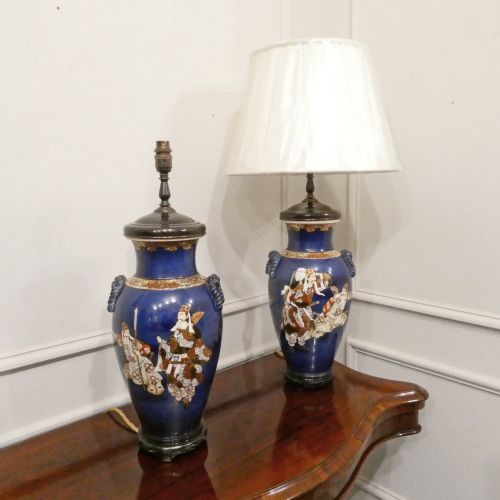
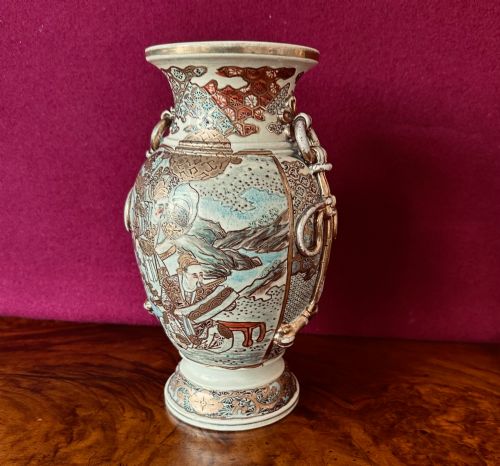
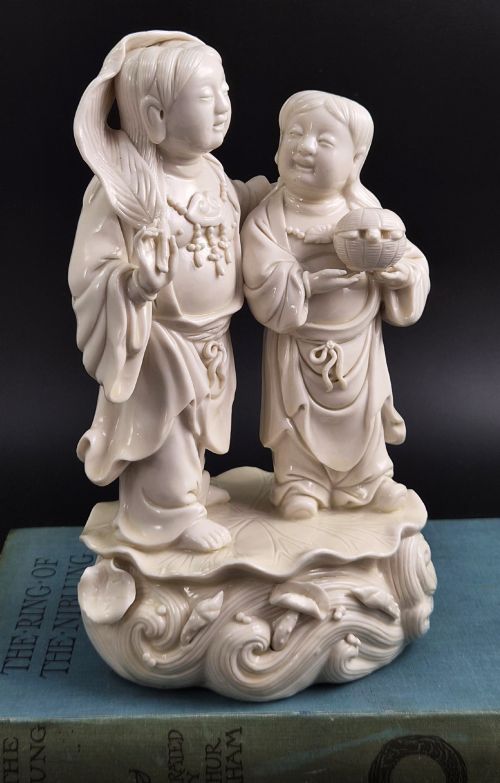
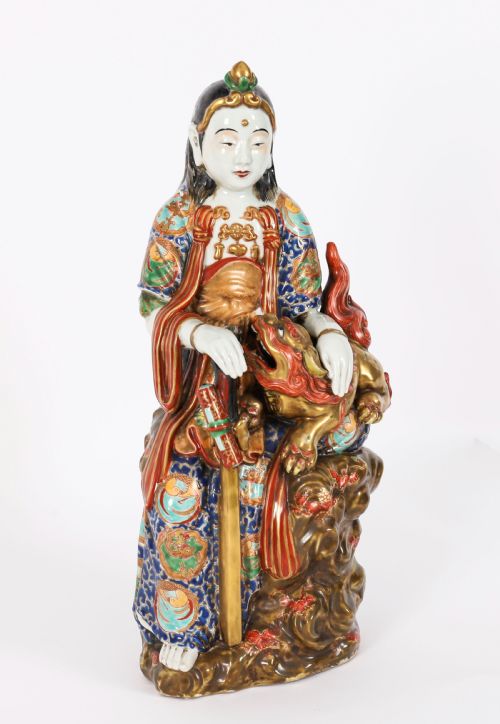
Asian antique porcelain figures encompass sculptural works produced across China and Japan, taking the form of religious deities, mythical beasts and revered mortals. When browsing this selection, buyers frequently encounter Japanese Kutani and Satsuma wares alongside Chinese Qing Dynasty creations.
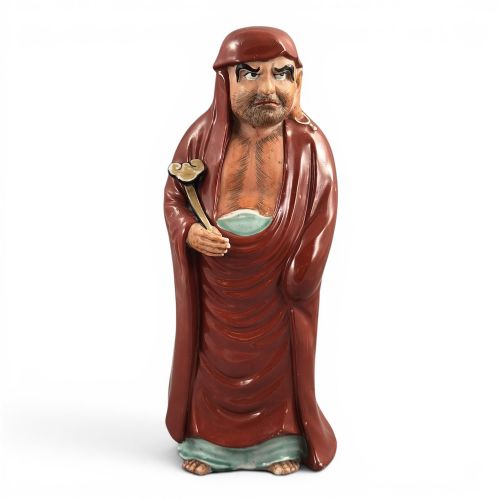
The objects span multiple centuries, with significant representation from the nineteenth century, including the Meiji period in Japan. Forms range from freestanding statuettes of Kannon and Daruma to figural vessels and guardian temple lions.
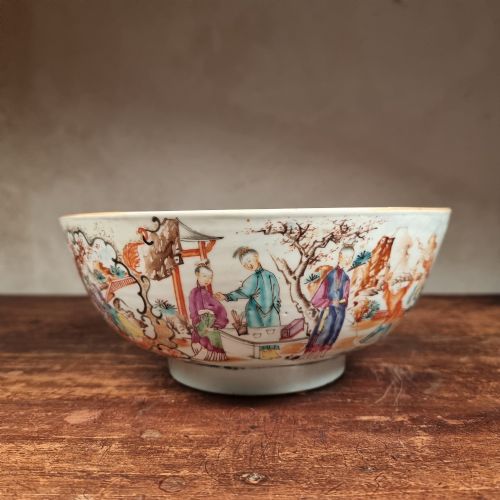
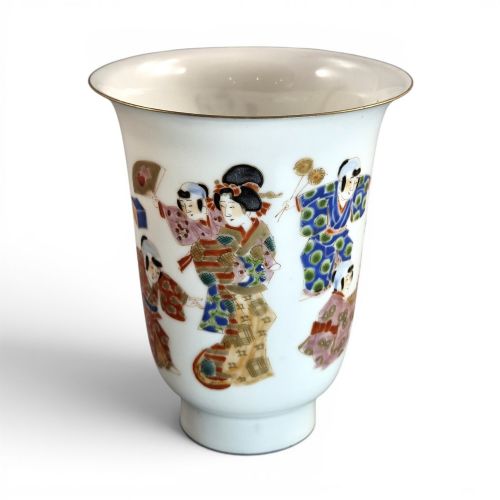
Vessels and plates also appear within the wider grouping, sometimes incorporating prominent figures or narrative scenes painted across the porcelain body.
Materials and production
The core material is ceramic porcelain, shaped by hand or in moulds before receiving intricate details in enamel, cobalt glaze and gold leaf. Kiln workers applied high-temperature firings to set the foundational glazes before layering delicate polychrome pigments on top.
Japanese Satsuma production typically utilised an earthenware or fine ceramic body covered in a crackle-line glaze, which served as a receptive base for elaborate overglaze enamel painting and gilding.
Several figures depict the venerable monk Daruma stretching out his limbs after nine long years of silent wall-gazing meditation.
Factors of quality
Quality rests in the precision of the hand-painted brushwork, particularly across facial expressions, garment folds and minute decorative borders. Superior examples maintain crisp lines and controlled gilding without messy pigment bleeding into adjacent glazes.
Tokyo Taizan·Gao Hengsheng
The Asian Porcelain Figures Glossary
- Kutani
- A style of Japanese coloured porcelain characterised by heavy overglaze enamels, particularly iron red and gold. The tradition originated in the Kaga province and gained international prominence during the Meiji period.
- Satsuma
- A type of Japanese pottery with a yellowish, crackled glaze traditionally decorated with elaborate polychrome and gilt designs. Originating in Satsuma Province, it became a major export category in the nineteenth century.
- Guanyin
- The East Asian bodhisattva associated with compassion, frequently rendered in porcelain as a standing or seated figure. This deity appears widely in both Chinese and Japanese ceramic traditions.
- Okimono
- A Japanese term for a decorative figurine or ornament intended for display in a home alcove or on a shelf. These objects range from mythological figures to depictions of everyday labourers.
- Famille Rose
- A palette of Chinese ceramic overglaze enamels dominated by opaque pink or rose colours, introduced during the Qing dynasty. The style allowed for subtle tonal gradations in floral and figural motifs.
Asian Porcelain Figures: Frequently Asked Questions
How do I identify Satsuma ware?
Satsuma pieces generally display a distinct ivory-coloured body covered in a fine network of crackled transparent glaze. They are further recognised by densely packed overglaze enamel paintings enriched with heavy gold leaf details.
Many bear artist or studio signatures on the underside, pointing to specific kilns operating during the late nineteenth century.
How were these figures used originally?
Religious figures such as Kannon or Daruma served as objects of devotion, meditation aids or protective household talismans. Other figural works functioned purely as interior decorations placed within traditional display spaces.
Export pieces were also manufactured specifically for Western collectors who prized exotic Eastern aesthetics in their drawing rooms.
How do I care for antique porcelain?
Antique porcelain figures require gentle handling, away from direct sunlight and areas subject to sudden temperature fluctuations. Dusting should be performed softly with a dry, lint-free cloth rather than liquid cleaners.
Enamels and gold leaf applied over the glaze can be delicate and vulnerable to abrasive friction or chemical solvents.