




Antique Guanyin Figure
An antique guanyin figure brings the compassionate bodhisattva into your interior through centuries of skilled craftsmanship in porcelain, bronze, and carved wood.
Antique Guanyin Figure
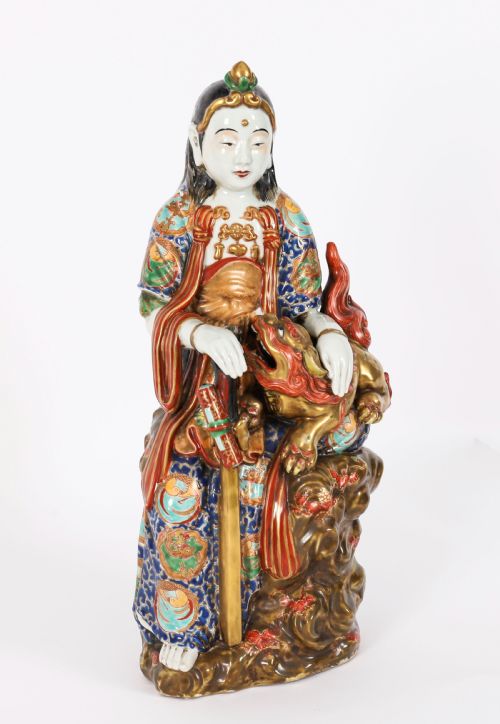
An antique guanyin figure represents the revered bodhisattva of compassion, known in various forms throughout East Asian traditions as the embodiment of mercy and grace. When searching for an antique guanyin figure, collectors encounter diverse sculptural interpretations ranging from traditional Chinese woodcarvings to Japanese Kutani porcelain depictions of Kannon.
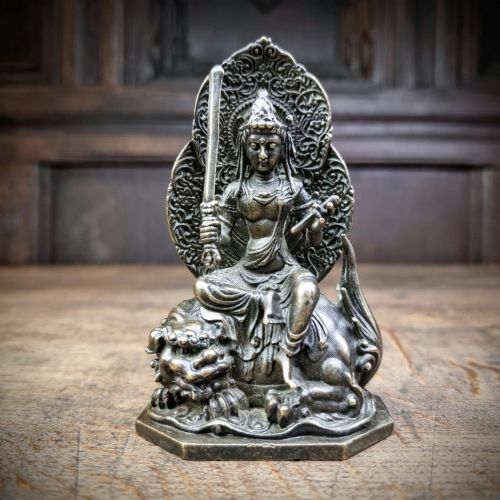
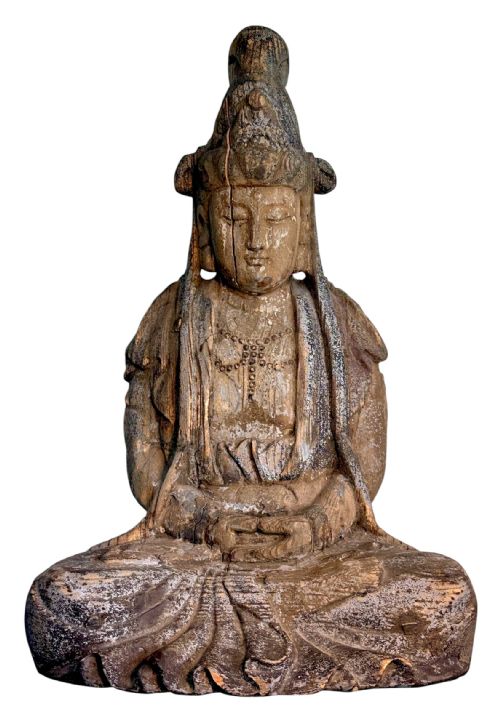
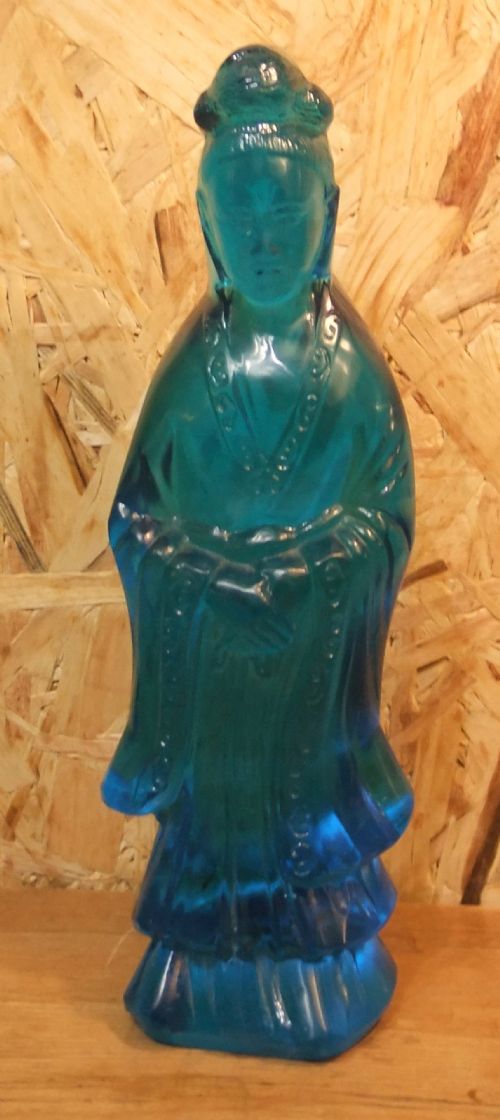
The pieces available span the nineteenth and early twentieth centuries, capturing periods from the late Qing Dynasty to the Meiji and Taisho eras. Forms vary from small bronze desk sculptures to large carved wooden figures and delicate Peking glass statues.
Buyers are most likely to meet nineteenth-century porcelain and carved wood examples on this page, reflecting both Chinese workshops and Japanese interpretations such as Kutani ceramics. Each sculpture carries distinct regional traits and period aesthetics that define its presence in a modern space.
How they were made
Makers shaped these sculptures using traditional materials including porcelain, bronze, and timber, often enhancing the surfaces with gilding, gold leaf, and polychrome pigments. Woodcarvers worked with dense timbers to create large figures, finishing them with layered pigments or distressing.
Ceramic pieces such as Blanc de Chine and Kutani porcelain utilised skilled moulding and throwing techniques before receiving intricate enamel decoration or clear glazes. Bronze examples involved intricate metal casting, resulting in solid statues that retain fine surface detail over generations.
Several figures come equipped with a fish basket, reminding us that Guanyin is occasionally depicted rescuing fishermen from turbulent seas.
What varies in quality
The refinement of the carving or modeling determines the artistic success of the piece, separating standard production figures from works of high individual expression. Facial expression and drapery folds show the sculptor's ability to render the serene and fluid grace characteristic of the subject.
The preservation of original surface finishes, whether polychrome pigments, gilding, or enamel, directly influences the integrity of the object. Subtle variations in the application of gold leaf and the depth of the carved wood details distinguish finer examples.
The Antique Guanyin Figure Glossary
- Bodhisattva
- An enlightened being who defers buddhahood to assist others. In Mahayana traditions, Guanyin is the principal bodhisattva of compassion.
- Blanc de Chine
- A white porcelain produced at Dehua in Fujian province. This ceramic type is renowned for its ivory tone and translucent glaze.
- Kutani
- A style of Japanese porcelain noted for vibrant polychrome enamels. These pieces often incorporate rich decorative schemes developed during the Meiji period.
- Qing Dynasty
- The final imperial dynasty of China, lasting from sixteen forty-four to nineteen twelve. Pieces from this era often display traditional court aesthetics and refined craftsmanship.
- Peking Glass
- Chinese coloured glass developed within imperial workshops. Skilled artisans created layered and monochromatic vessels and sculptures using intricate blowing and carving methods.
Antique Guanyin Figure: Frequently Asked Questions
How do I identify an antique guanyin figure?
Examine the materials, surface wear, and stylistic markers consistent with nineteenth and early twentieth-century production methods. Indicators such as aged wood patina, hand-painted polychrome pigments, and traditional ceramic glazes help establish the period.
Compare the sculptural form and iconography with documented examples from the Qing Dynasty or Meiji period. Regional casting and carving techniques further assist in confirming the origin and age of the piece.
Where should I place a guanyin sculpture at home?
Position the sculpture in a calm, settled area of your living space where the material and form can be appreciated without visual clutter. Elevated surfaces such as sideboards or dedicated display shelves provide appropriate prominence.
Ensure the placement protects delicate surfaces like gold leaf, enamel, and carved wood from direct sunlight and excessive humidity. Respectful placement honours the traditional function of the figure as a focal point for peace and reflection.
What is the difference between Chinese and Japanese guanyin figures?
Chinese examples frequently draw on traditional dynastic imagery, utilising Blanc de Chine porcelain, bronze, or large polychrome carved wood. These figures emphasise classical drapery and serene facial expressions rooted in long-standing domestic traditions.
Japanese interpretations, often referred to as Kannon, frequently emerge through Meiji and Taisho period Kutani porcelain or bronze work. These pieces incorporate distinct regional glaze palettes and decorative sensibilities unique to Japanese kilns.
How should I clean an antique carved wood guanyin?
Dust the surface gently using a soft, dry brush to remove particulate matter without disturbing the aged wood or residual polychrome pigments. Avoid liquid cleaners, chemical polishes, or damp cloths, as moisture can damage fragile historical finishes.
Maintain stable environmental conditions away from heat sources to prevent the timber from splitting or warping over time. Minimal intervention preserves the original surface history and structural integrity of the sculpture.