


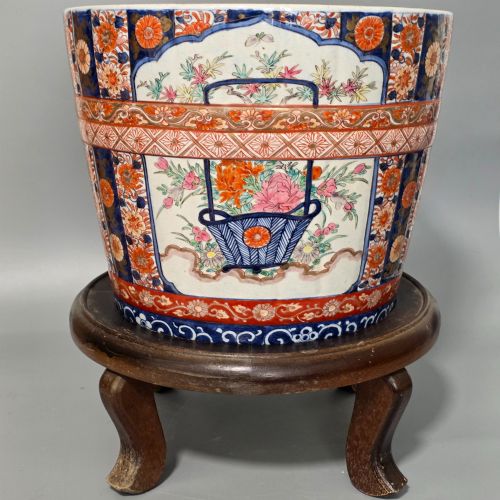


Asian Ceramic Pot
An asian antique ceramic pot brings centuries of kiln artistry into the home, offering form and utility through centuries of Asian tradition.
Asian Ceramic Pot
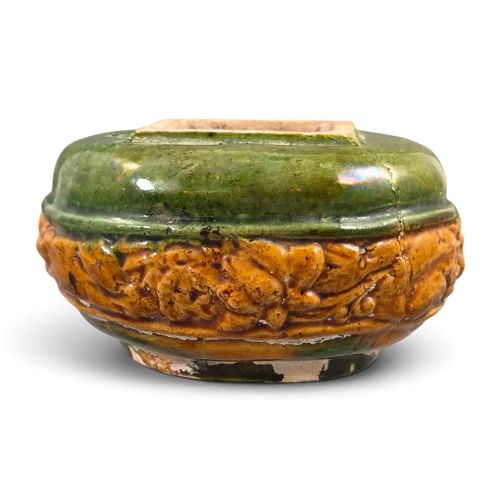
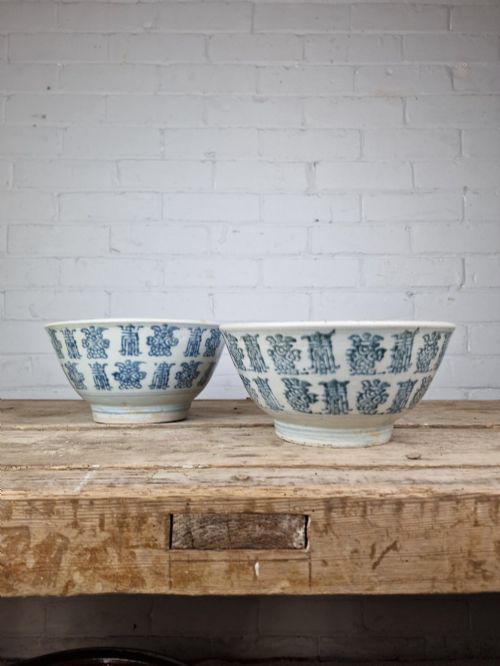
An asian antique ceramic pot encompasses a diverse group of vessels, from scholar's water vessels and provincial bowls to large garden planters and decorative jars.
The pieces on this page span several centuries, reaching from early Tang to Liao dynasty wares up through Ming dynasty creations and later Qing examples.
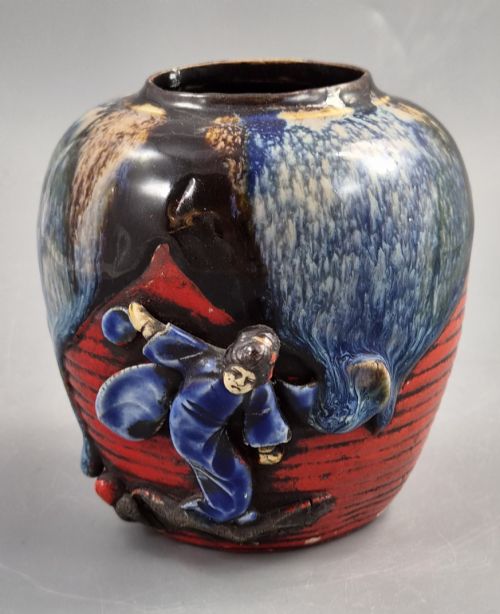
Japanese works are similarly well represented, featuring Satsuma ware, Imari patterns, and Stoneware jardinieres alongside Chinese blue and white ceramics.
Materials and Techniques
Potters shaped these objects from earthenware, stoneware, and fine porcelain, occasionally mounting them on associated hardwood stands for display.
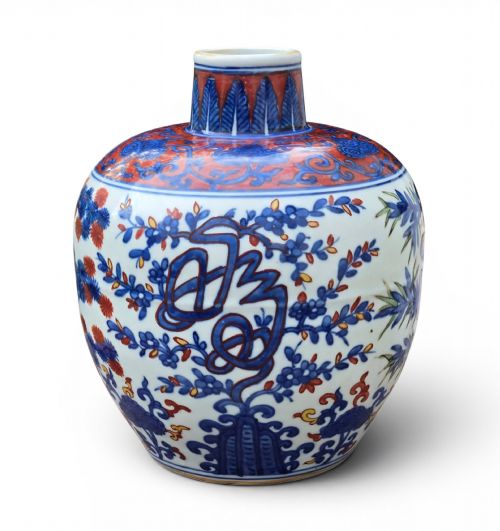
Surfaces received decorative treatments including cobalt glaze, enamel painting, and blue and white underglaze, alongside specialised flambé glazes.
Kiln workers utilised traditional throwing and moulding methods across different regions, resulting in varied body densities and glaze depths.
Several jardiniere pots come with climbing figures and ducks sharing space on the ceramic glaze.
Quality and Distinction
Quality rests in the precision of the throwing, the control of the kiln temperature during firing, and the clarity of the painted or glazed surface.
Pieces bearing specific studio marks or imperial attribution show a higher grade of artistic execution in comparison to provincial or utilitarian wares.
The depth and vibrancy of cobalt blues or the fine detail in enamel and iron-red applications separate standard vessels from exceptional collector pieces.
Makuzu Kozan II·Kotobuki do·Shizan·Shozan
The Asian Ceramic Pot Glossary
- Jardiniere
- A large decorative ceramic pot or planter designed to hold growing plants or flowers. These vessels often sit upon matching ceramic trays or hardwood stands.
- Celadon
- A term for pottery denoting both wares glazed in jade green and the specific translucent green glaze itself. This finish originated in China and spread across Asian kilns.
- Imari
- A style of Japanese export porcelain decorated in underglaze blue, iron red, and gilt. It became popular in Europe during the Edo period.
- Censer
- A vessel used for burning incense during ritual or domestic activities. Many antique examples feature tripod legs and pierced lids for smoke release.
- Glaze
- A glassy layer fused to ceramic body through firing, providing colour, decoration, and a waterproof seal. Variations include cobalt blue, flambé, and white blanc de chine.
Asian Ceramic Pot: Frequently Asked Questions
How were jardinieres used?
Jardinieres served primarily as decorative indoor planters for large household plants and palms. They brought greenery into formal rooms while protecting interior surfaces with matching bases.
Over time, larger vessels also functioned as fish bowls or standalone ornamental pieces within traditional courtyards and reception halls.
What is a scholar's water pot?
A scholar's water pot is a small vessel used to hold water for ink-stone preparation in traditional calligraphy and painting. Scholars valued tactile pottery that sat comfortably on the desk during quiet study.
These compact pots often displayed subtle glazes and refined potting techniques characteristic of early Chinese dynasties.
How should I display these pots?
Display these vessels on stable surfaces where their glazes and forms catch natural light. Pairing them with associated hardwood stands enhances their traditional silhouette.
Keep larger jardinieres away from heavy foot traffic to protect the ceramic body and any delicate surface enamels from accidental impacts.