




Imperial Chinese Antiques
Imperial chinese antiques bring centuries of courtly refinement to a room, offering everything from celadon jade carvings to cobalt underglaze porcelain.
Imperial Chinese Antiques
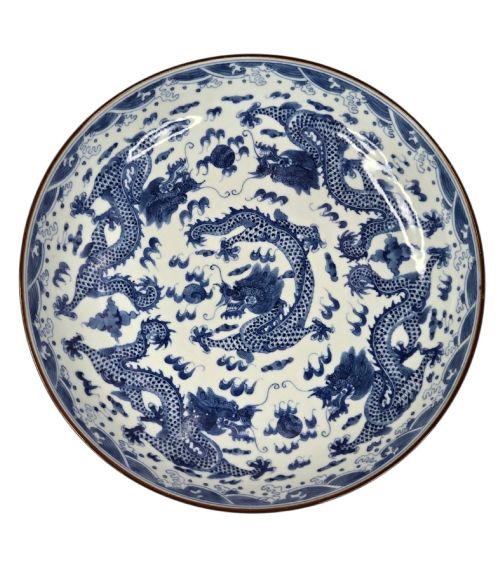
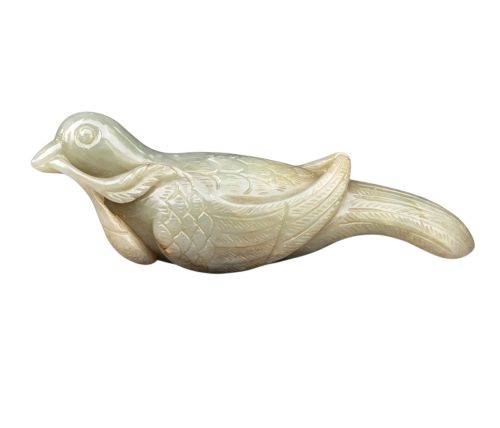
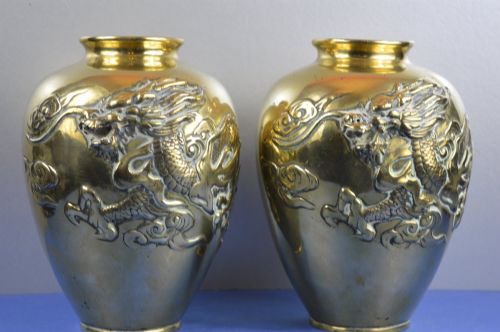
When you search for imperial chinese antiques, you enter a domain of court-commissioned works spanning several dynasties and centuries. The pieces represented here run from blue and white chargers and doucai bowls to celadon jade carvings and gilt bronze vases.
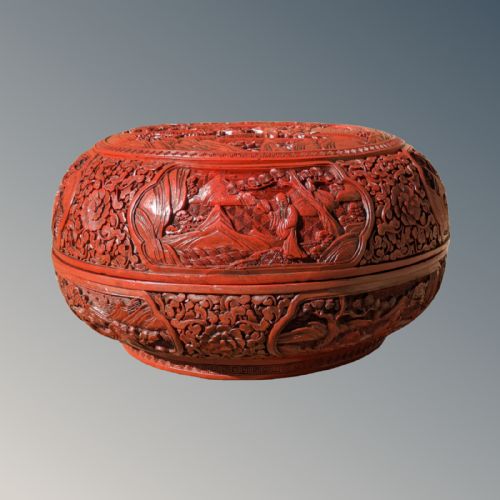
You are most likely to meet pieces originating from the Qing dynasty, particularly the nineteenth century, alongside earlier examples reaching back to the sixteenth century. Forms include vases, decorative dishes, brush washers, lidded boxes, and garden seats.
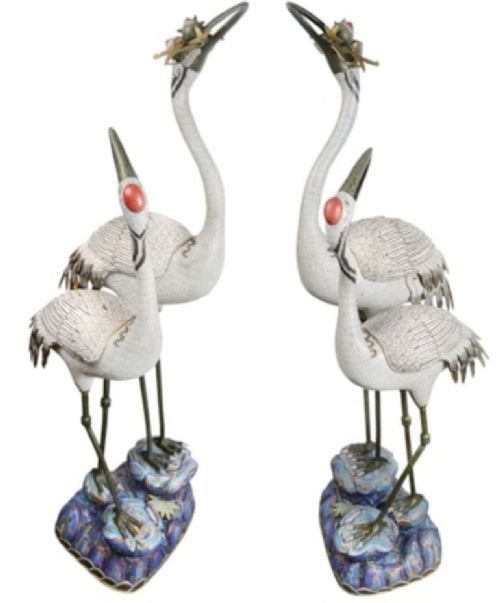
Each object reflects the aesthetic standards of the imperial household, whether rendered in porcelain, enamel, or jade. The selection balances utilitarian scholar's items with large ceremonial vessels.
How they were made
Potters and artisans utilised refined materials such as porcelain, glaze, cobalt underglaze, enamel, and gold leaf. Bronze and gilt bronze provided durable foundations for large vessels, while hardstones like celadon jade were shaped into intricate carvings and belt buckles.
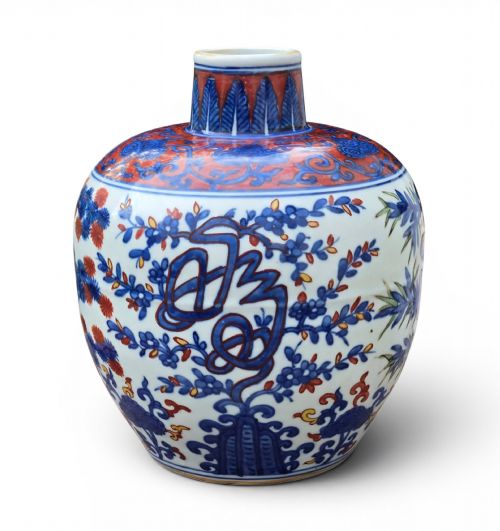
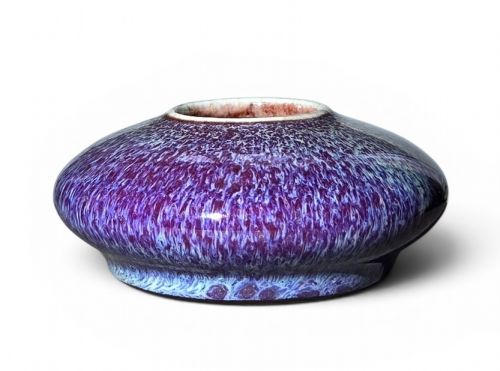
Techniques relied on precise temperature control in kilns and meticulous hand-painting, as seen in iron-red and doucai decorative schemes. Artisans combined these methods to achieve distinctive ground colours, from aubergine and coral-orange to Batavia chocolate glazes.
Listings feature materials spanning porcelain, enamel, glaze, cobalt underglaze, gold leaf, celadon jade, gilt bronze, and bronze across multiple centuries.
What varies in quality
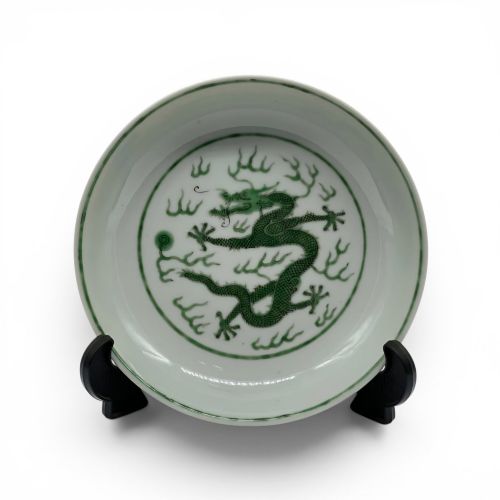
Quality rests in the crispness of the carving and the control of the pigment during firing. Superior pieces display finely articulated dragon motifs, controlled underglaze blue lines, and even glaze distribution without pooling or distortion.
The precision of imperial marks and the weight of the material further distinguish the top of the range. Heavier bronze castings and meticulously detailed enamel work separate court-standard commissions from standard commercial output.
The Imperial Chinese Antiques Glossary
- Doucai
- A decorative technique involving underglaze blue outlines filled in with overglaze enamels. This method creates a contrasting, vibrant palette often seen on imperial bowls and jars.
- Celadon
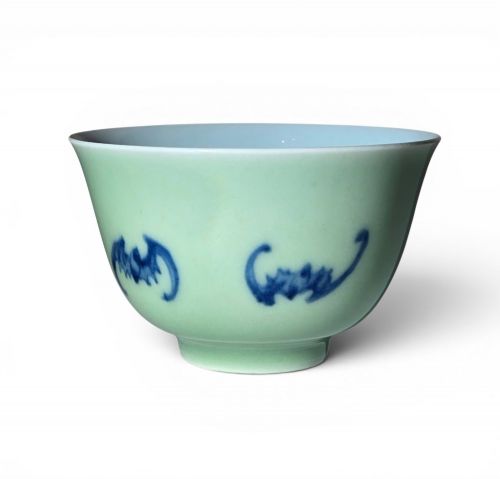
- A pale green jade or a transparent green glaze over a grey-white body. It mimics the appearance of natural jade and was highly prized by imperial scholars.
- Meiping
- A high-shouldered vase form originally designed for plum branches. The narrow neck and generous body create a balanced silhouette characteristic of court porcelain.
- Famille Rose
- An overglaze enamel palette dominated by opaque pink or purple, introduced during the Qing dynasty. It allowed for subtle tonal gradations in floral and figurative motifs.
- Five-Clawed Dragon
- A symbol of imperial authority reserved for the emperor and high court members. Depictions of this creature signify the highest tier of official patronage.
Imperial Chinese Antiques: Frequently Asked Questions
How do I identify a period mark?
Period marks on porcelain and other objects usually consist of six characters naming the reigning emperor and dynasty. They are written in underglaze blue or inscribed on the base.
Not all marks indicate the exact date of manufacture, as later workshops frequently reproduced earlier reigns as a sign of respect. Comparing the script style and glaze quality helps determine the true age.
What is the difference between jade and porcelain pieces?
Jade pieces involve hardstone carving, utilising materials like celadon jade for scholar's objects and belt buckles. They rely on the natural properties and polish of the stone.
Porcelain pieces are fired ceramic objects painted with cobalt underglaze, enamel, or monochrome glazes. They focus on painted surface decoration rather than carved relief.
How should I care for jade and bronze?
Jade requires minimal maintenance beyond gentle dusting with a soft cloth. Avoid harsh chemicals or prolonged exposure to direct sunlight.
Gilt bronze and bronze items should also be kept dry to preserve the metal surface and gold leaf layers. Professional handling is recommended for heavy or delicate pieces.
Why do some items feature dragon motifs?
Dragons with five claws were restricted for imperial use under dynastic sumptuary laws. Their presence indicates an object commissioned directly for the court or high nobility.
Such motifs appear across chargers, dishes, and vases, serving as a primary indicator of imperial status.