



Asian Animal Sculpture
These asian animal sculpture pieces bring centuries of craftsmanship and natural forms into your home, ranging from fierce bronze temple lions to delicate jade fish.
Asian Animal Sculpture
An asian animal sculpture encompasses a diverse array of figures, capturing creatures from everyday farm life to mythical beasts across multiple centuries. Buyers encounter works shaped from durable metals, carved timbers, and smooth stones.
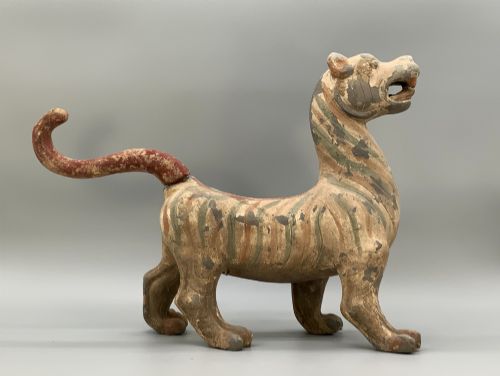
The selection on this page leans heavily toward nineteenth-century Japanese bronze okimono and Chinese works from periods such as the Qing Dynasty. You will find tigers, elephants, horses, and birds rendered with distinct regional artistry.
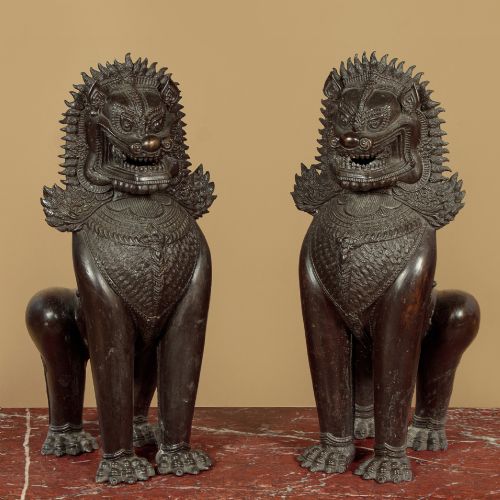
Forms range from miniature wood carvings designed for personal use to large temple lions meant to stand guard. Each piece reflects the specific cultural reverence for the animal kingdom prevailing in its era of origin.
Materials and Construction
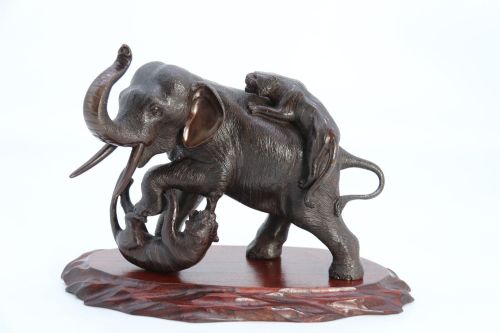
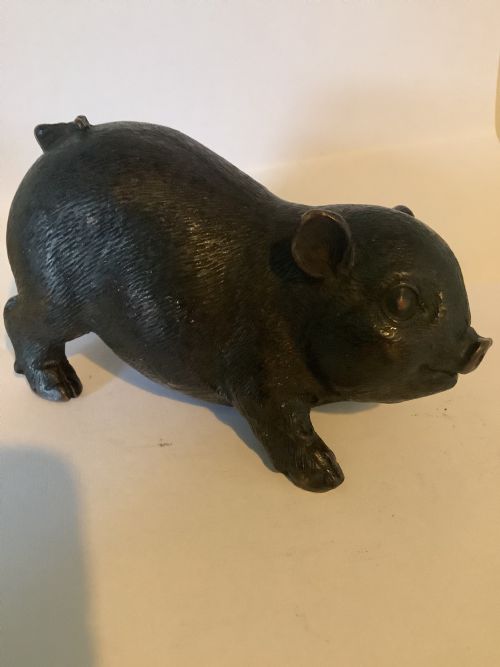
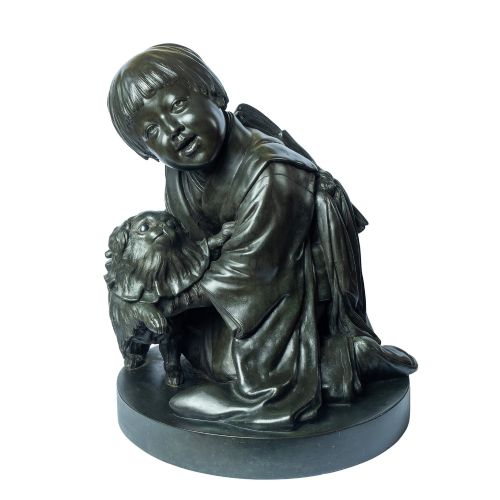
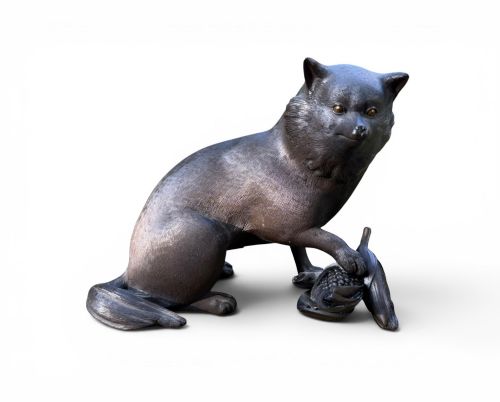
Bronze stands out as a primary medium, often cast into detailed figures of elephants, tigers, and figures with animals like buffalo or chickens. Artists utilised lost-wax casting methods to achieve lifelike textures and dynamic postures.
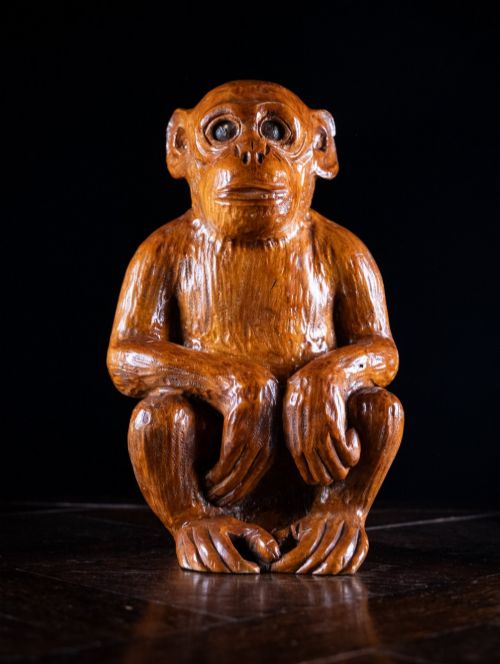
Woodcarving forms another major tradition, utilising boxwood and various hardwoods to create intricate okimono and netsuke depicting rodents, frogs, rabbits, and horses. Artisans employed fine hand-tools to render fur, feathers, and facial expressions with precision.
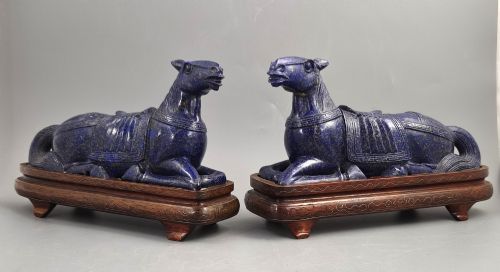
Pottery, porcelain, jade, and hardstone also appear, utilising glazes such as sancai or turquoise alongside meticulous carving to shape ducks, roosters, and mythical guardian beasts. Silver inlays and painted details frequently accent these stone and metal compositions.
Asian Animal Sculpture Retail Price Guide 2026
Typical asking prices for asian animal sculpture among the pieces listed under this phrase on Sellingantiques today, from the lower quarter to the upper quarter. They describe what is for sale here now, not the wider market.
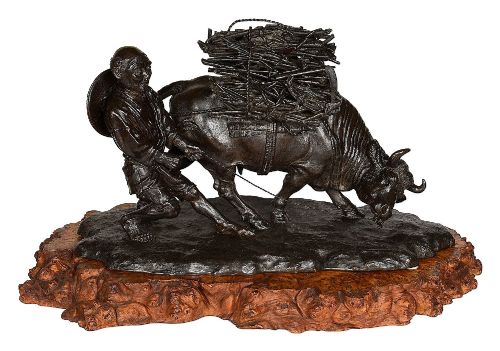
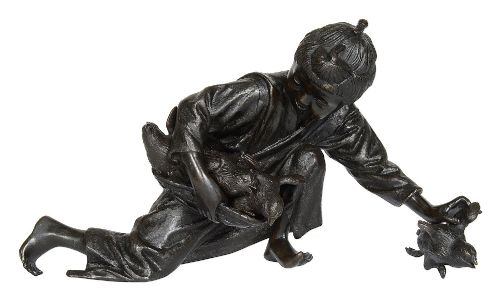
Several listings capture moments of quiet domesticity, such as a bronze girl gathering chickens or a woodcutter accompanied by a buffalo.
Judging Quality and Execution
The fidelity of anatomical observation and the crispness of surface detail dictate the standing of an individual carving or casting. Master metalworkers and woodcarvers captured muscle tension, feather layering, and fur texture with convincing realism.
Signatures and inscriptions from known makers or periods elevate an object, showing the hand of a skilled workshop or individual artist. The integrity of the material, whether untarnished bronze patination or unblemished jade, underscores the care taken during production.
Masaaki·Seiunsai Miyamoto Sei
The Asian Animal Sculpture Glossary
- Okimono
- A Japanese ornamental statue or sculpture designed for display on a traditional room's scroll shelf or alcove. These decorative figures frequently depict animals, people, or legendary subjects.
- Sancai
- A traditional type of Chinese ceramic glaze using three colours, typically brown, green, and creamy white, applied to pottery figures and vessels. This technique creates a colourful, variegated surface finish.
- Cloisonne
- An enamelwork technique where metal wire is soldered to a metal body to create compartments, which are then filled with coloured paste and fired. This method produces vibrant decorative patterns on figures like elephants.
- Netsuke
- A small carved toggle traditionally used in Japan to secure a small container to a sash. These miniature sculptures often take the form of frogs, rodents, and other animals.
- Qing Dynasty
- The final imperial dynasty of China, lasting from the mid-seventeenth century until the early twentieth century. Pieces from this era often feature rich glazes, hardstones, and carved hardwoods.
Asian Animal Sculpture: Frequently Asked Questions
How were bronze animals made?
Bronze animals were typically cast using the lost-wax method, allowing for intricate surface textures and complex postures. Artisans then refined the metal through chiselling and applied patinas to achieve specific colour tones.
Many of these finished works also feature signature plaques or incised maker marks.
How do I date a piece?
Dating relies on stylistic markers, material composition, and any associated signatures or reign marks. Pre-sixteenth-century pieces often show distinct pottery and stone carving traditions compared to later Meiji or Qing works.
Examination of wear patterns and casting techniques further assists in determining the era of origin.
Where were these sculptures displayed?
Sculptures in Asian households and temples served both decorative and guardian functions. Smaller carvings rested on shelves or tables, while large temple lions stood at entryways.
Export pieces were also created specifically for international markets during the late nineteenth and early twentieth centuries.