
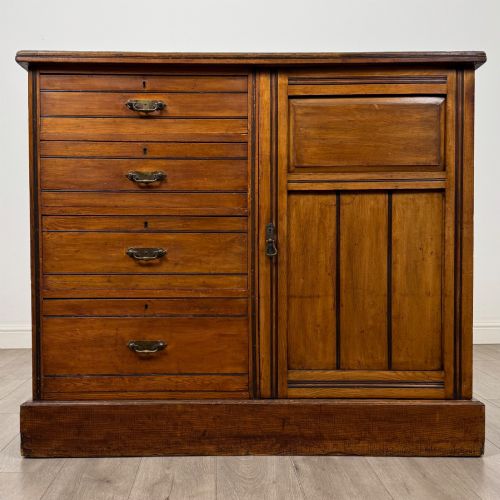
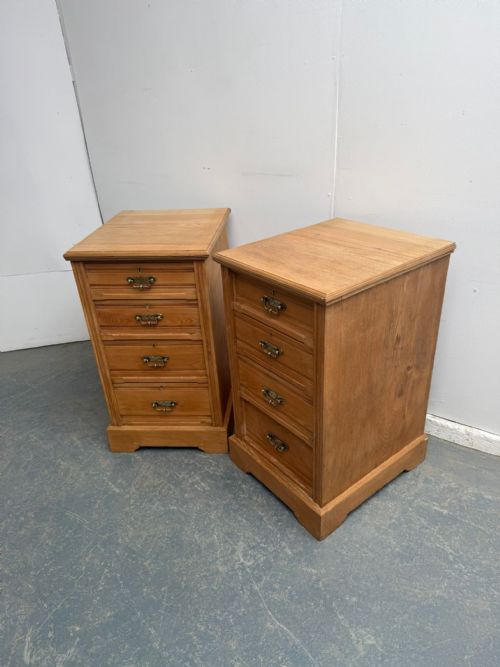
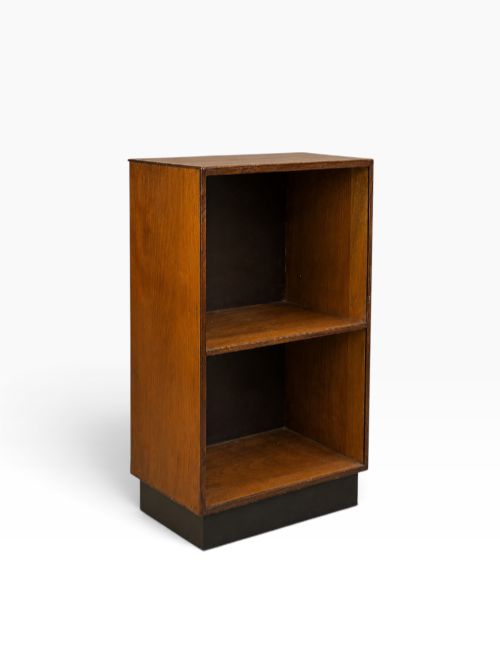
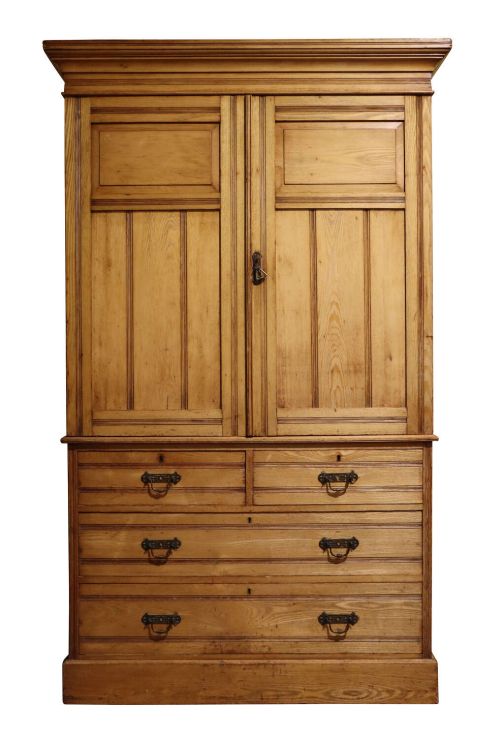


Ash Wood Cabinet
An ash wood cabinet brings pale grain and honest construction into a room, offering practical storage with distinct character.
Ash Wood Cabinet
The selection on this page spans several distinct eras, notably the Victorian period, the Arts and Crafts movement, and the Art Deco style. French provincial pieces also appear, including buffet deux corps and enfilades from the eighteenth century.
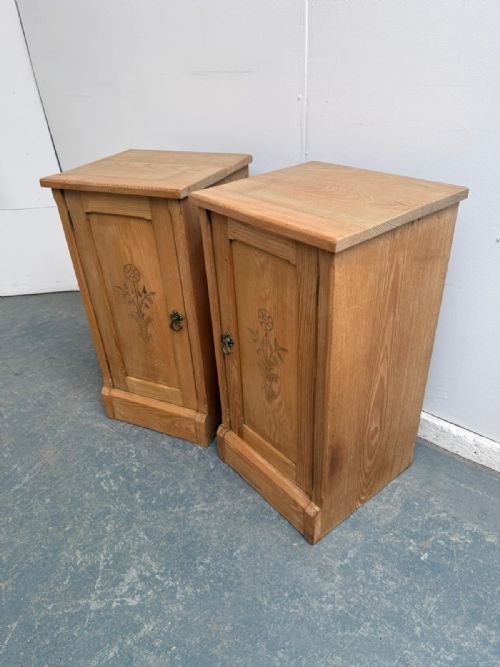
Bedside cabinets represent the most frequent domestic form, often appearing in matching pairs with waxed finishes. Larger storage items such as press cupboards and sideboards serve as statement pieces in reception rooms and hallways.
How they were made
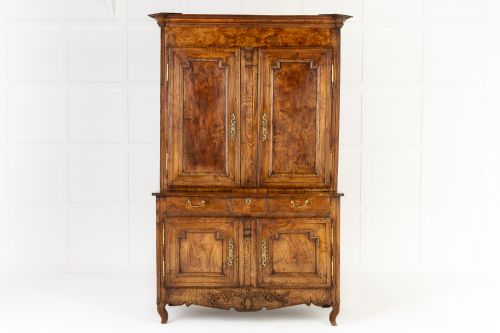
Cabinet makers utilised solid ash and decorative veneers, selecting burr ash and Hungarian ash for their striking figured patterns. Secondary timbers and cherrywood appear in regional and eighteenth-century pieces, showing the natural variation of the wood.
Hardware details typically involve brass fixtures and fitted metal mounts that complement the pale, open grain of the ash. Waxed finishes protect the timber while preserving a natural matte appearance developed across the Victorian and Arts and Crafts periods.
Even eighteenth-century French cabinet makers could not resist showing off a bit of flash when they laid eyes on a good piece of burr ash.
What varies in quality
The quality of an ash wood cabinet depends on the selection of timber figures and the harmony of the veneer work. Cabinets featuring highly figured burr or Hungarian ash sit at the upper end of the range compared to plain timber examples.
Construction methods and stylistic coherence dictate overall merit, particularly in Arts and Crafts designs where honest joinery is paramount. Pieces retaining original brass hardware and consistent waxed surfaces demonstrate superior preservation.
The Ash Wood Cabinet Glossary
- Ash
- A tough, pale timber with a pronounced open grain, frequently utilised in British and continental cabinet making. It yields both straight-grained boards and highly decorative burrs.
- Hungarian Ash
- A distinct European veneer prized for its dramatic, swirling grain patterns. Cabinet makers selected it to create decorative panels on nineteenth-century storage furniture.
- Buffet Deux Corps
- A large two-part French storage piece comprising a lower cupboard section beneath an upper cabinet. Eighteenth-century examples often incorporate regional fruitwoods alongside ash.
- Enfilade
- A long sideboard or buffet featuring a continuous line of doors and drawers. These continental serving pieces provide substantial storage capacity.
- Press Cupboard
- A traditional tall storage item designed for linen and garments, combining upper shelving with lower drawers or doors. Victorian examples often show meticulous joinery.
Ash Wood Cabinet: Frequently Asked Questions
What is an ash wood cabinet used for?
These cabinets serve multiple storage needs throughout the home, from bedside tables holding lamps and books to tall cupboards storing linens or tableware.
Larger sideboard and buffet formats function in dining areas and hallways to organise household items while displaying decorative objects on top.
How do I clean an ash wood cabinet?
Maintain waxed ash surfaces with a soft, dry cloth to remove dust without disturbing the grain. Avoid modern chemical sprays that can degrade historic wax finishes.
Feed the timber occasionally with a traditional beeswax polish to keep the pale wood nourished and protected against drying out.
Are bedside cabinets sold individually?
Many bedside storage pieces from the Arts and Crafts era appear on this page as matching pairs. Single examples also feature in the selection.
Matching pairs suit symmetrical bedroom layouts, while single cabinets work well as standalone accent pieces in smaller spaces.
How do I identify Arts and Crafts ash furniture?
Arts and Crafts pieces from around nineteen-ten emphasise honest construction, visible joinery, and waxed finishes that highlight the natural grain of the ash.
These designs avoid excessive ornamentation, relying instead on clean proportions and quality craftsmanship typical of the movement.