





Arts and Crafts Dressing Table
An arts and crafts dressing table offers honest construction and vernacular charm, grounding a bedroom in functional craftsmanship.
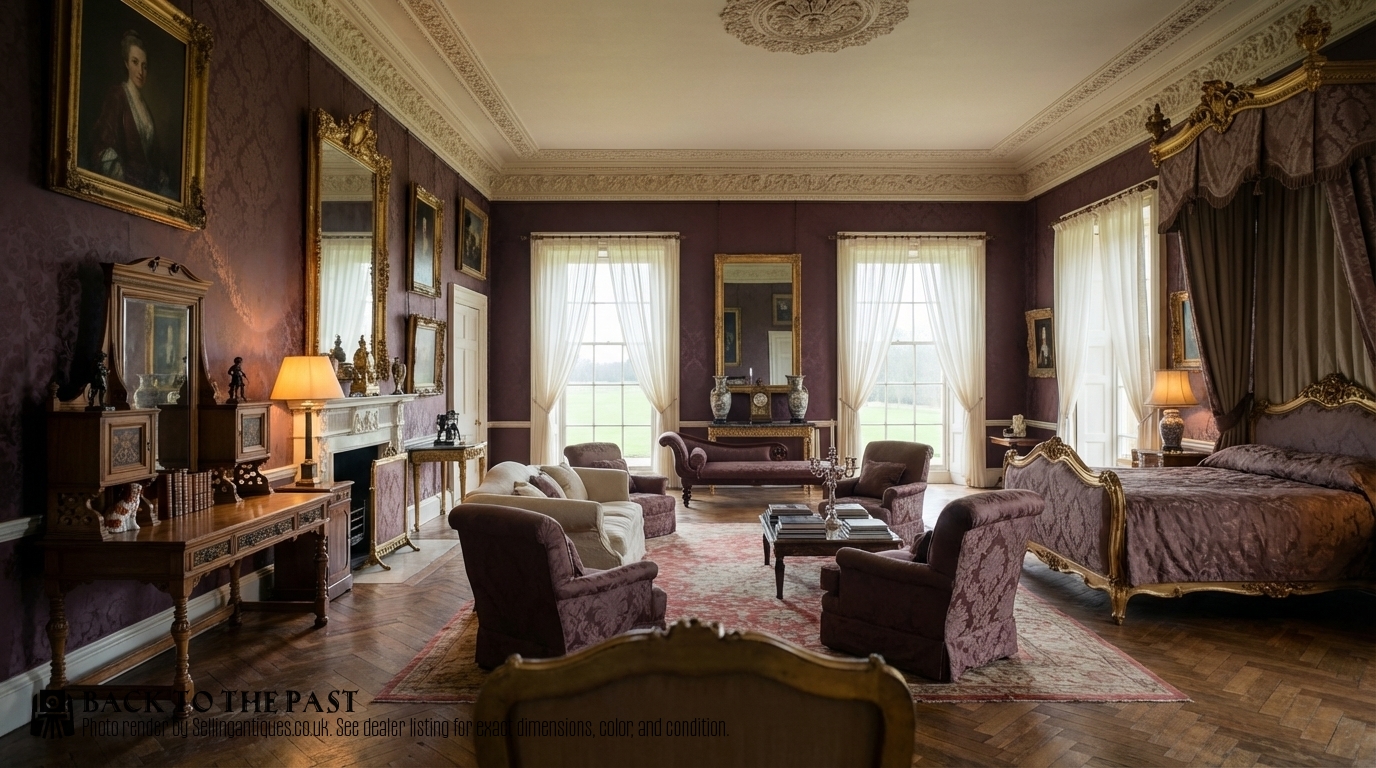
Arts and Crafts Dressing Table
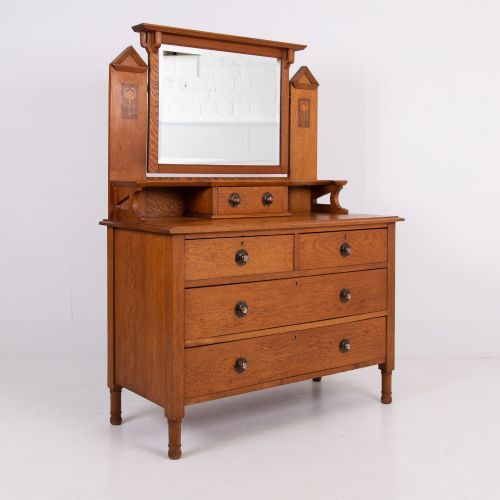
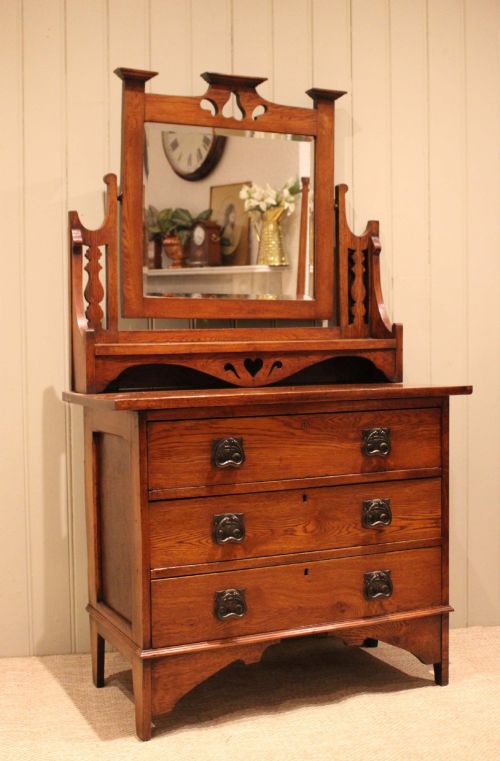
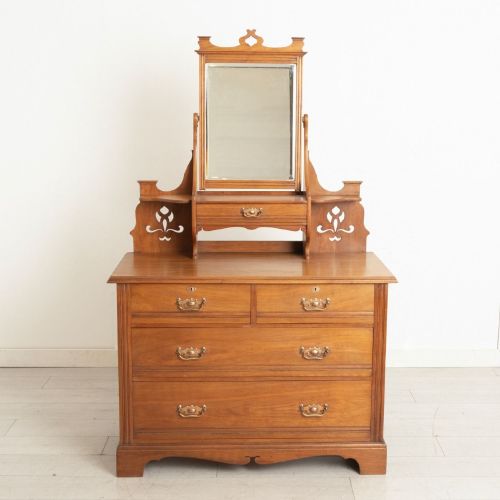
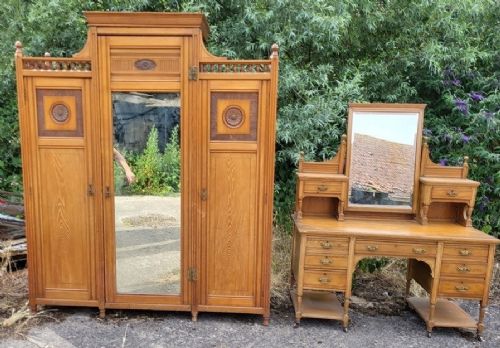
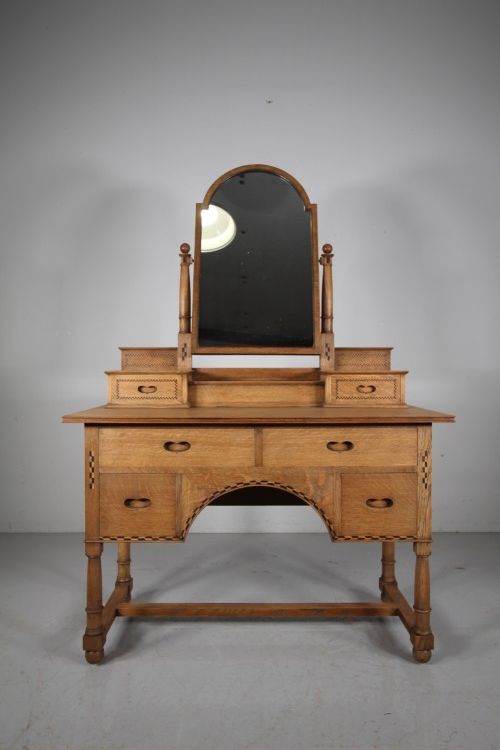
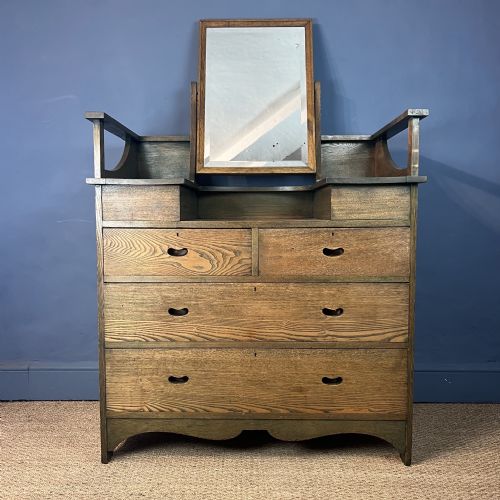
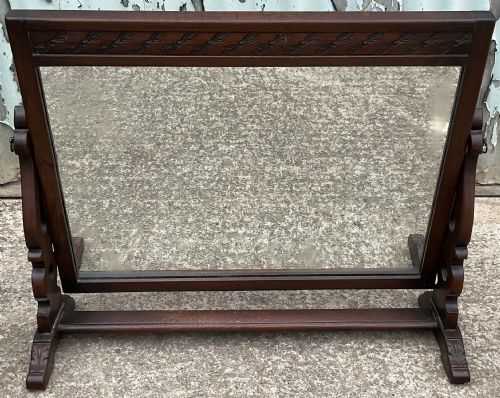
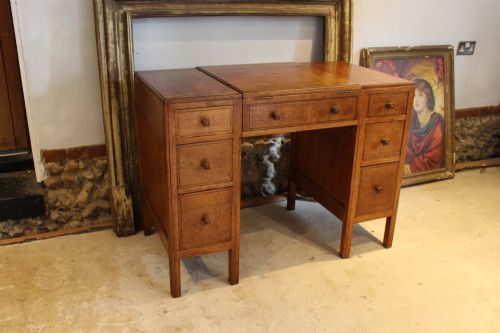
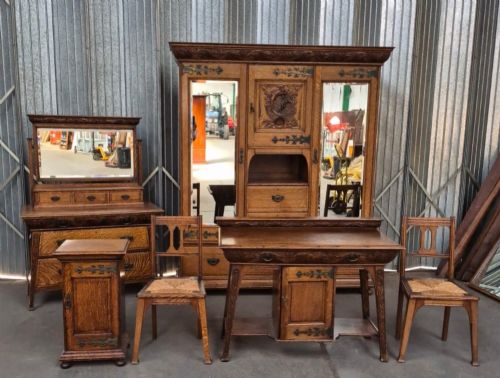
An arts and crafts dressing table is a utilitarian bedroom piece rooted in the late nineteenth and early twentieth centuries, appearing across diverse regional interpretations. These items range from standalone dressing chests with integrated mirrors to components of larger bedroom suites that include matching wardrobes.
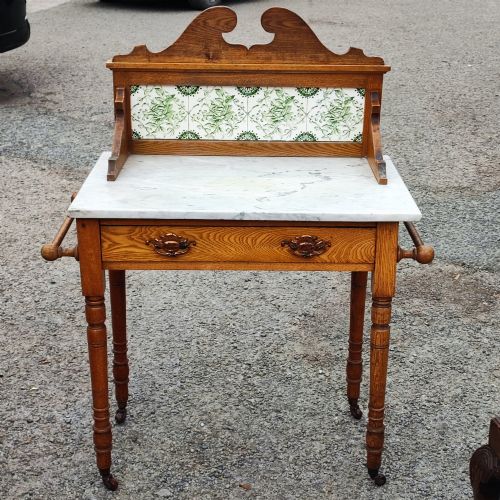
Oak dominates the vernacular forms seen on this page, appearing alongside ash, walnut, satinwood, and French timber. Makers frequently combined the dressing table with washstand utility, creating hybrid pieces that served multiple morning functions in period homes.
The aesthetic shifts from heavy Victorian revival roots toward the lighter, functional lines associated with the Cotswold School and specific commercial workshops. Surviving examples demonstrate how standard bedroom furniture evolved to embrace simplified construction and exposed joinery.
Materials and Technique
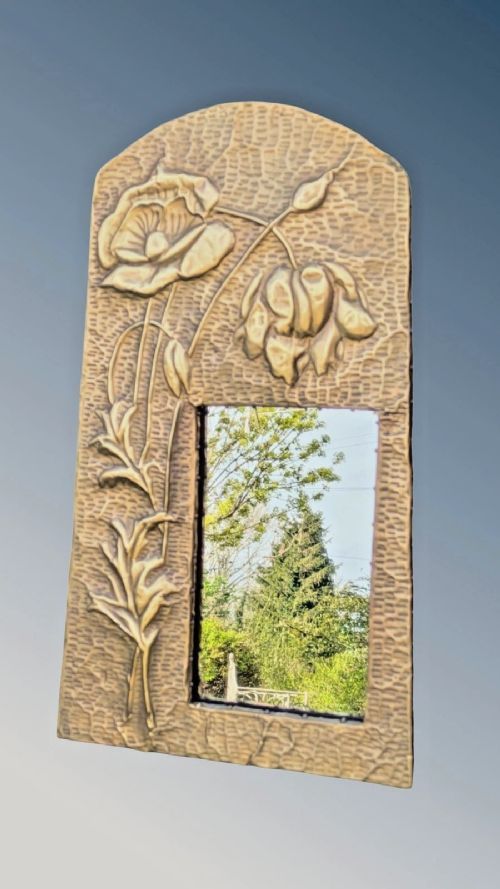
Makers constructed these pieces primarily from solid oak, walnut, ash, and mahogany, often enhanced with burr veneers and marquetry inlay. Structural integrity relied on traditional joinery, heavy timber framing, and occasional carved embellishment along drawer fronts and mirror supports.
Functional hardware includes brass handles, ceramic fixtures, bevel-edged swing mirrors, and fitted glass panels. Some iterations incorporate marble tops and tiled splashbacks to withstand the daily use associated with combined washstand functions.
Arts and Crafts Dressing Table Retail Price Guide 2026
Typical asking prices for arts and crafts dressing table among the pieces listed under this phrase on Sellingantiques today, from the lower quarter to the upper quarter. They describe what is for sale here now, not the wider market.
Several examples double as washstands, proving that nineteenth-century Victorians were dangerously efficient with bathroom multitasking.
Craftsmanship and Design
Quality rests upon the selection of timber, ranging from standard plain oak to highly figured burr walnut, ash, and satinwood. The presence of marquetry inlay, carved details, and integrated suites elevates certain examples above simpler vernacular pieces.
Attribution to documented makers such as Shapland and Petter or Heal and Sons separates standard commercial production from workshop-specific output. The sophistication of the mirror mechanism, the weight of the brass hardware, and the integration of matching stools distinguish the finer items.
Shapland and Petter of Barnstaple·Heal and Sons·Liberty and Co·Gillows
The Arts and Crafts Dressing Table Glossary
- Cotswold School
- A twentieth-century design movement focused on traditional handcraft methods and vernacular woodworking. It prioritised simple, robust forms derived from local materials.
- Marquetry
- The art of applying decorative pieces of veneer to a structural surface to form intricate patterns. This technique frequently appears on drawer fronts and tabletops.
- Swing Mirror
- A pivoting glass plate mounted within an upright frame atop the table base. It allowed users to adjust their angle of reflection during daily grooming.
- Washstand
- A utilitarian piece designed to hold a basin and pitcher for morning ablutions. Many surviving examples share forms and materials with dressing tables from the same period.
- Bevel-edge
- A angled, polished slope cut along the perimeter of a mirror glass. This decorative detail catches light and adds depth to the glass.
Arts and Crafts Dressing Table: Frequently Asked Questions
How do I identify a Cotswold School dressing table?
A Cotswold School dressing table exhibits plain, sturdy construction, visible hand-worked surfaces, and an emphasis on local timber qualities. These items often date from the early twentieth century and avoid excessive surface decoration.
Look for honest joinery and practical proportions that prioritise utility and traditional woodworking techniques. They frequently appear paired with low stools rather than standard chairs.
Did these pieces come with matching furniture?
Many dressing tables formed part of larger bedroom suites that included matching wardrobes, washstands, and chests of drawers. These suites ensured a uniform aesthetic throughout domestic sleeping quarters.
Individual items also circulated independently, serving as standalone pieces within mixed-period interiors. Surviving suites represent coordinated workshop production from major commercial makers.
How should I care for an antique oak dressing table?
Maintain antique oak by keeping it away from direct heat sources and sudden humidity changes to prevent timber splitting. Regular dusting with a dry, soft cloth preserves the original finish without chemical buildup.
Protect marble and glass inserts from staining and avoid placing damp items directly onto unsealed wooden surfaces. Periodic application of appropriate wax maintains the natural lustre of the grain.