
Arts and Crafts Drawers
When you search for arts and crafts drawers, you enter a world of honest timber, exposed joinery, and functional design created to last.
Arts and Crafts Drawers
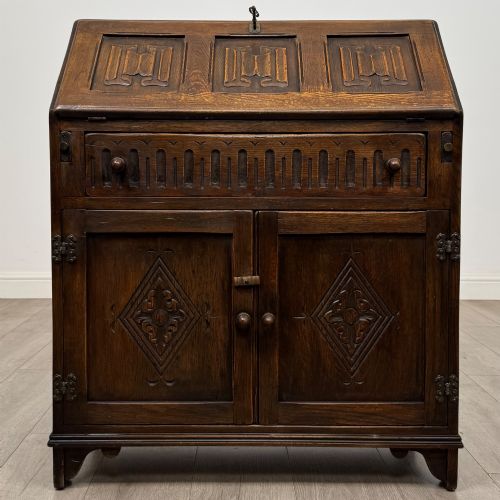
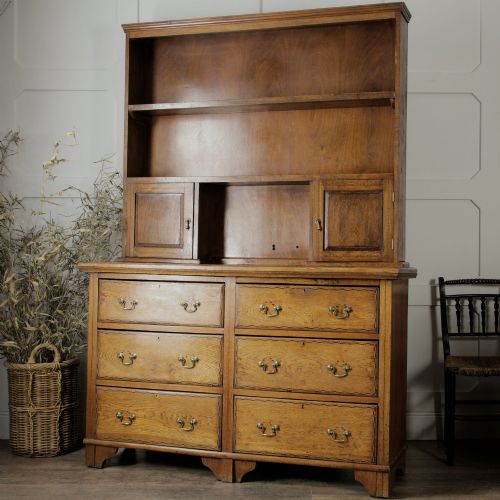
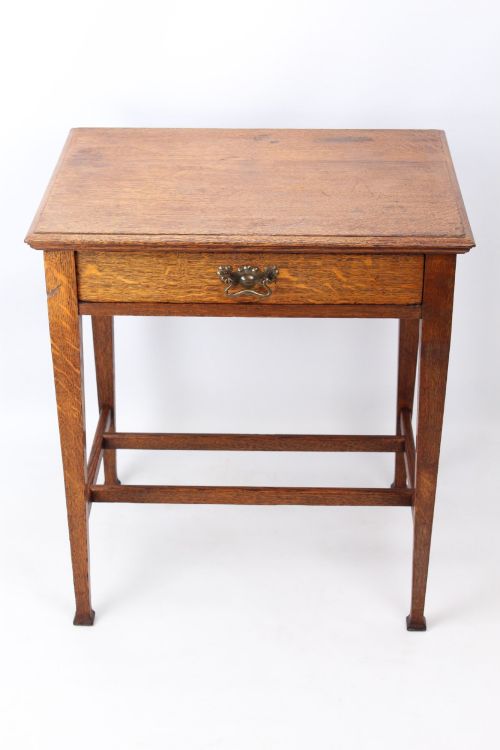
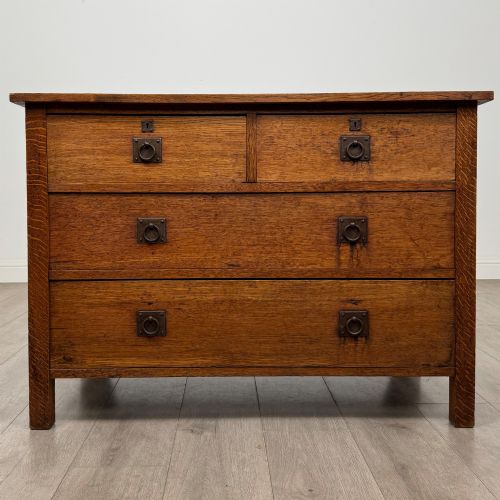
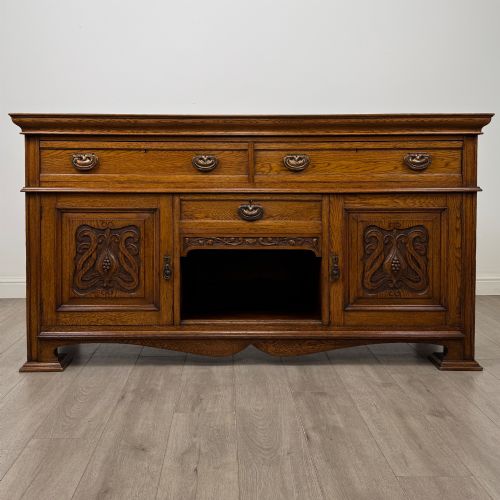
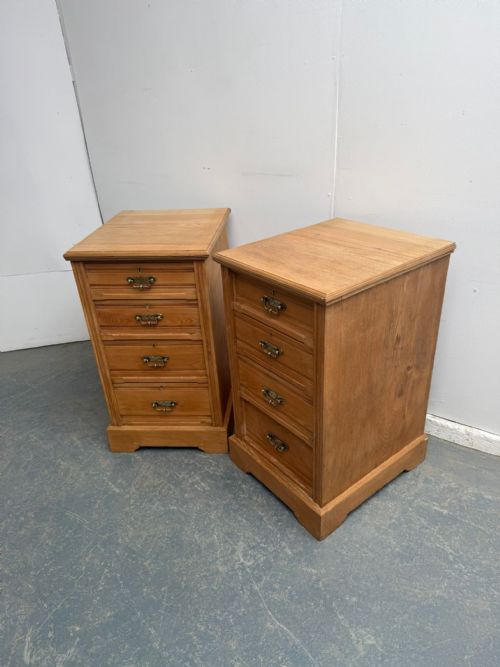
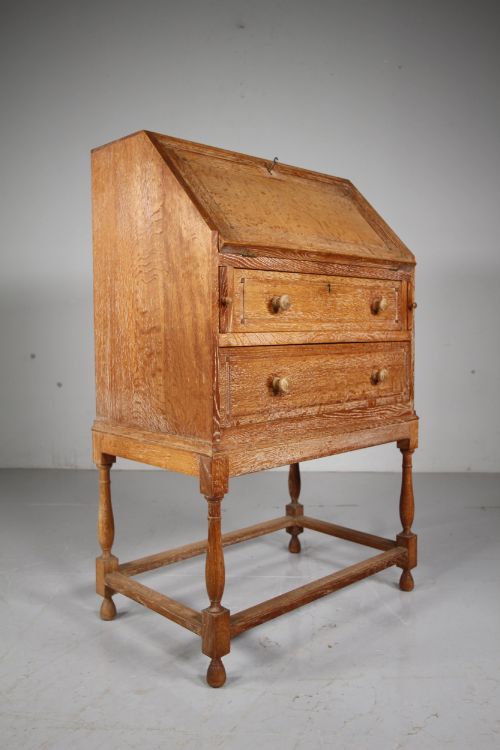
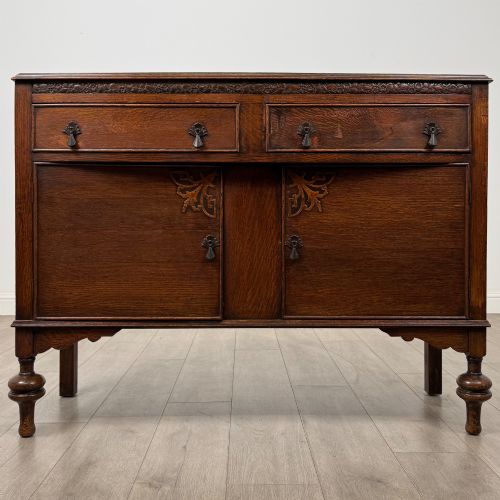
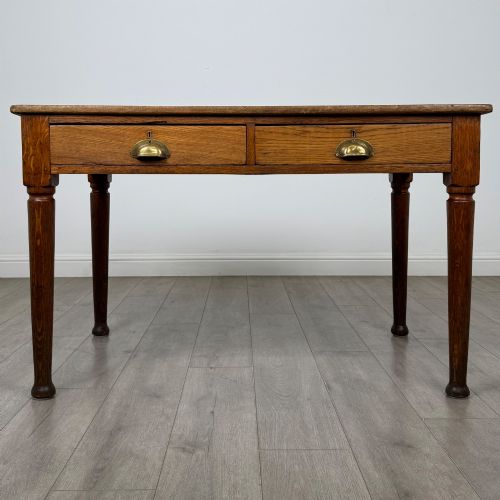
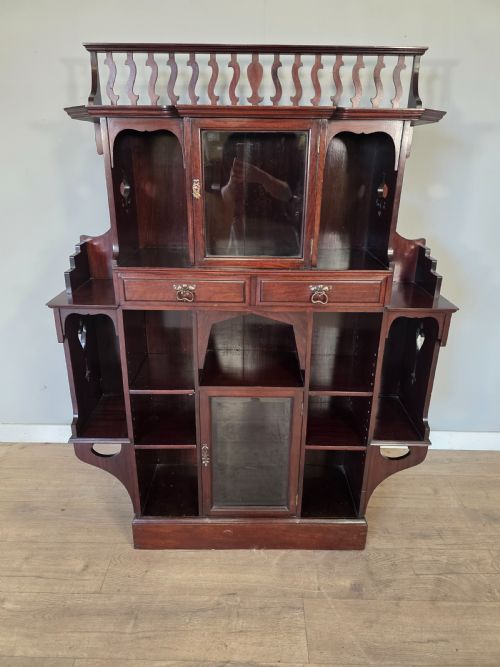
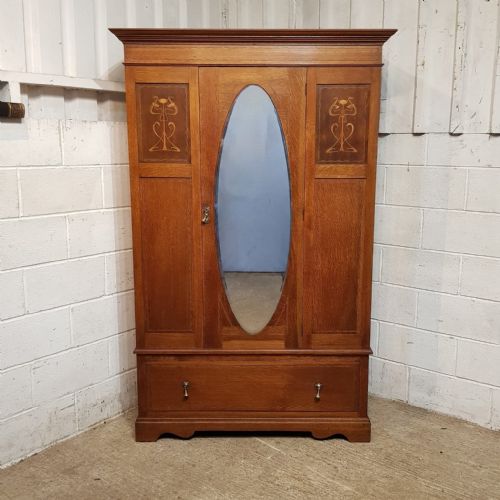
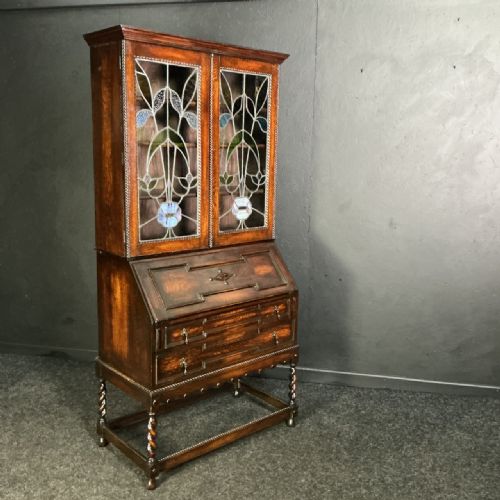
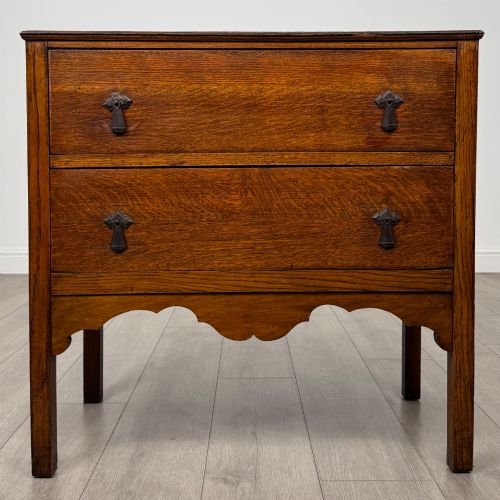
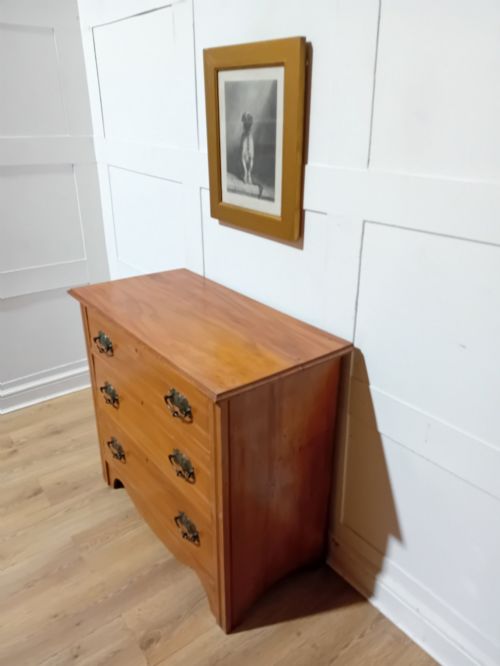
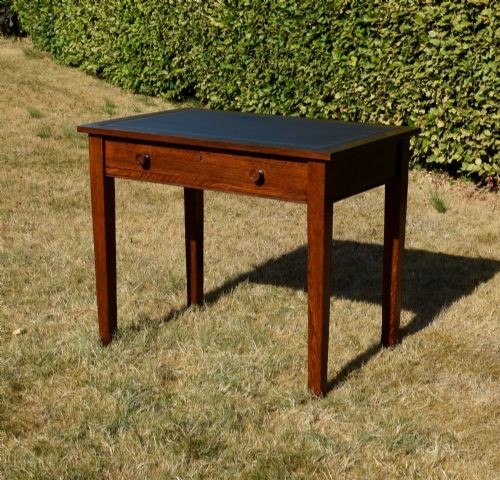
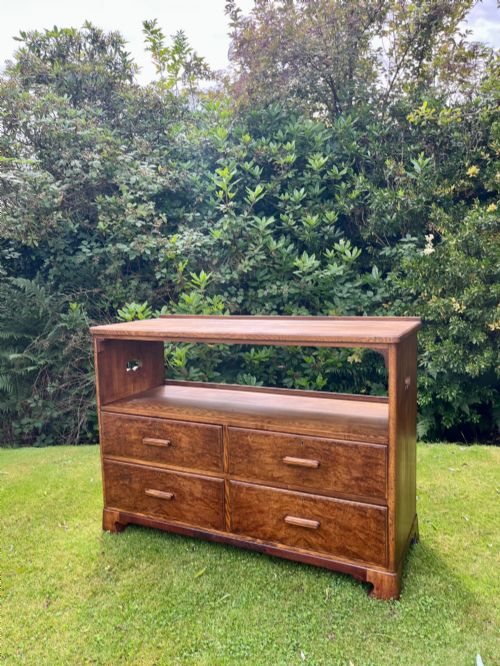
Buyers seeking arts and crafts drawers find storage furniture rooted in the late nineteenth and early twentieth centuries, spanning periods from the Victorian era through the Edwardian years and into the 1930s. The selection predominantly includes solid oak and ash chests of drawers, alongside dressing chests, sideboards, and writing desks sharing the same vernacular.
These pieces reject mass-produced ornamentation in favour of solid construction, often displaying subtle copper or brass hardware and simple linear forms. Chests of drawers range from compact bedside lockers to large multi-drawer bedroom pieces, reflecting the domestic needs of their original makers.
What varies in quality
The distinction between standard commercial output and exceptional cabinet-making lies in the selection of timber and the restraint of the design. Workshops that employed master designers achieved balanced proportions and harmonious grain matching across drawer fronts, avoiding heavy-handed carving.
Original hardware determines much of the integrity of a piece, as matching hand-beaten brass pulls or stamped maker signatures elevate the status of the furniture. The handling of secondary timbers in drawer linings and backboards also marks the dedication of the maker.
Listings feature oak, ash, walnut, satinwood, and pine across periods from the 1880s to the 1930s.
Heal and Sons·Harris Lebus·Shapland and Petter·Whytock and Reid·Hubert Simpson·George Walton·James Parkinson·Miller and Co
The Arts and Crafts Drawers Glossary
- Dovetail
- A joint used in drawer construction formed by interlocking wedge-shaped fingers. This method provides high tensile strength without relying on metal fasteners.
- Limed oak
- A wood finishing technique where a white pigment is rubbed into the open pores of the oak. It creates a pale, softened surface texture popular in early twentieth-century design.
- Satin walnut
- A timber derived from the American sweetgum tree, valued for its warm reddish-brown tone and lustrous finish. It was frequently utilised for bedroom furniture drawers during the late nineteenth century.
- Dressing chest
- A low chest of drawers fitted with an attached mirror and small jewellery boxes. These pieces formed standard bedroom furnishings in Edwardian households.
- Brass drop handle
- A pendant handle suspended from a backplate, commonly hammered or cast in copper alloys. It serves as a standard fixture on period drawer fronts.
Arts and Crafts Drawers: Frequently Asked Questions
How do I date an arts and crafts chest of drawers?
Dating relies on combining the timber choice, construction methods, and hardware styles found across the piece. Oak and ash pieces from the late Victorian period often display darker finishes and hand-beaten brass, while limed oak and lighter satinwood examples frequently point towards the Edwardian era and the 1920s.
Maker stamps, retailer labels, and registration marks provide further chronological markers. Comparing the drawer linings and backboards to known archive examples helps narrow down the decade of manufacture.
Are these drawers suitable for modern bedrooms?
Solid hardwood construction ensures these chests of drawers easily withstand daily use in contemporary homes. Their modest depths and clean lines allow them to fit comfortably into hallways, living rooms, and bedrooms alike.
Maintaining the timber requires little more than occasional natural waxing to nourish the grain. The generous proportions of the drawers offer practical storage capacity without dominating a modern interior.
What is the difference between oak and ash furniture?
Oak furniture tends to feature prominent medullary rays and a robust, open grain that accepts dark stains and liming treatments well. It was the preferred choice for heavy sideboards, wardrobes, and large chests.
Ash offers a paler, more uniform straw-coloured appearance with a strong, elastic grain structure. Makers frequently selected ash for neat-sized bedroom suites and lighter chests of drawers.
Did workshops always stamp or label their pieces?
Many workshops did not apply physical marks, leaving furniture to be identified by distinct construction traits, timber choices, and design motifs. Paper labels and burnt stamps appear primarily on pieces produced by major retailers and dedicated cabinet makers.
Attribution often relies on matching undocumented pieces to documented archive examples and known designer portfolios. The absence of a label does not diminish the quality of the cabinet-making.