





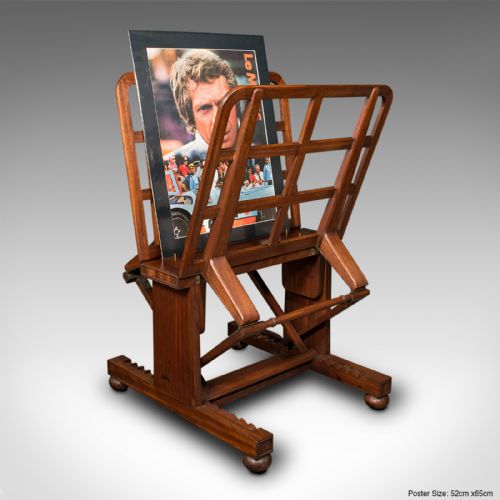


Artist Picture Stand
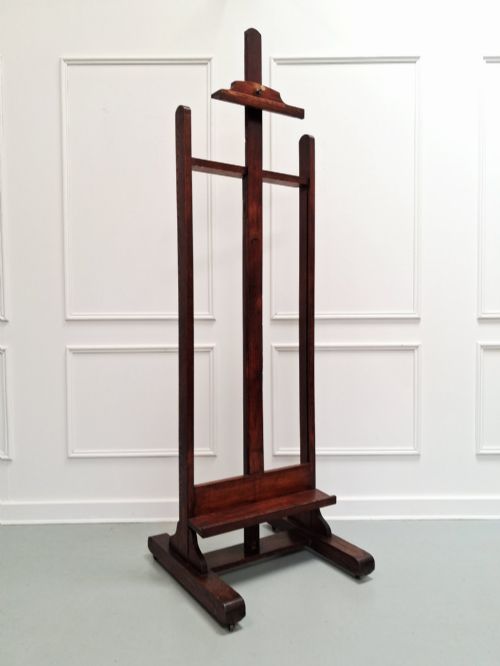
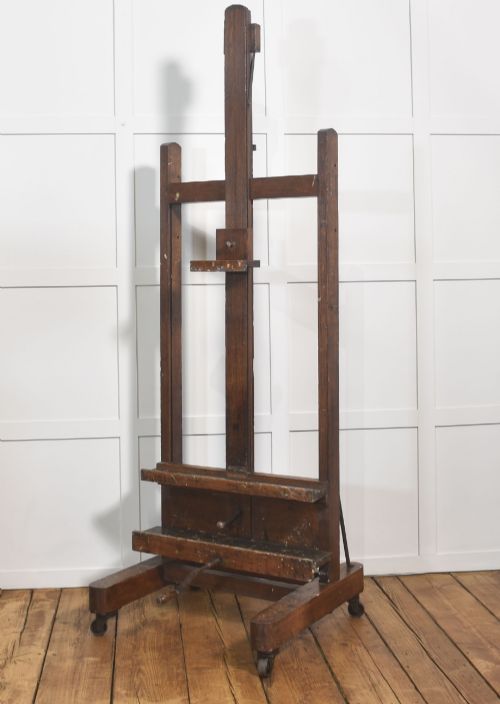
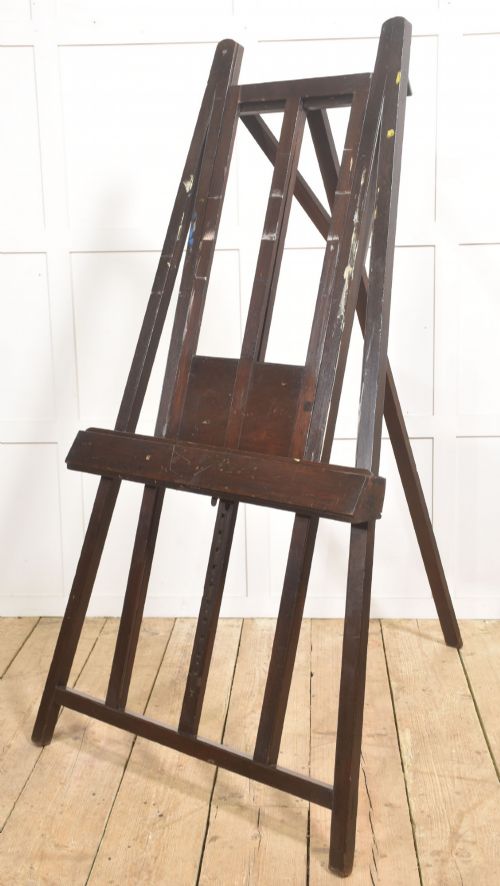
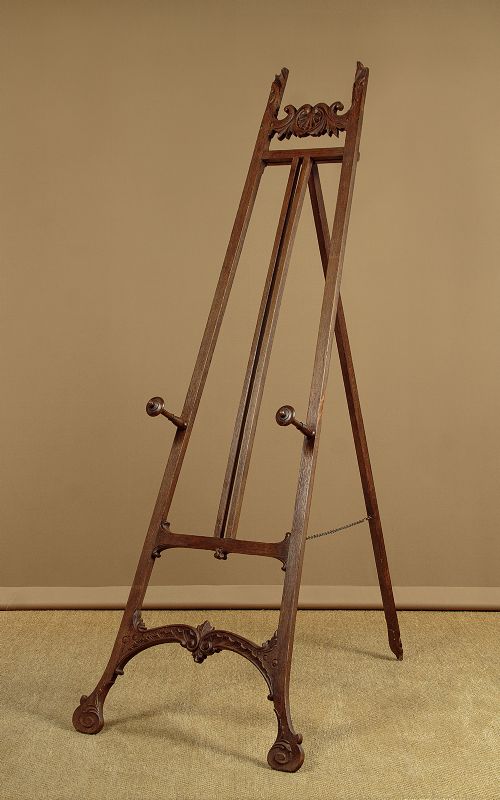
An artist picture stand is a functional studio piece designed to hold canvases, portfolios or framed works securely while in use or on display.

Artist Picture Stand
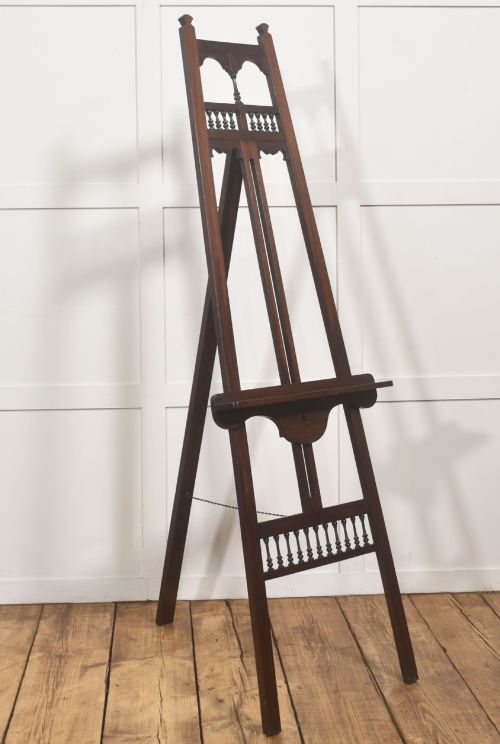
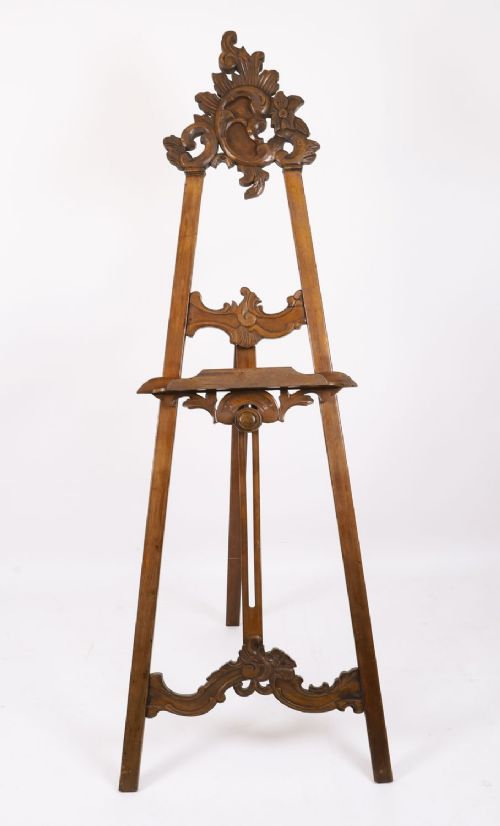
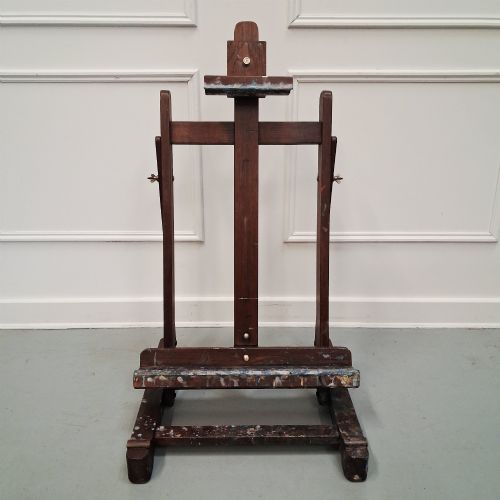
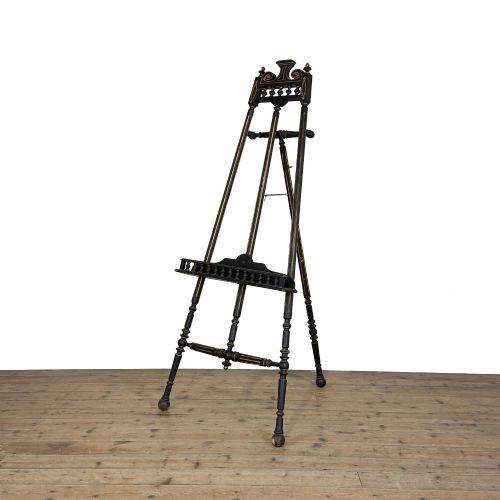
When you search for an artist picture stand, you encounter a range of sturdy wooden and metal frames built to support creative work and finished pieces. These objects serve both practical studio functions and decorative display purposes within domestic settings.
The selection here encompasses several distinct forms, most notably large studio easels, tabletop versions, folio stands, and picture racks. Pieces appear from the Regency period through the Victorian era up to the nineteen-thirties, reflecting diverse workshop traditions.
Oak and mahogany dominate the structural timber choices, alongside occasional examples in walnut, pitch pine, bamboo, and ebonised wood. Metal components such as brass, iron, and cast iron provide necessary mechanical strength and adjustment capabilities.
How they were made
Cabinetmakers and metalworkers constructed these stands using robust timbers and durable hardware designed to withstand heavy daily use in a busy studio. Joints are typically pinned, screwed, or tenoned to bear the substantial weight of large framed canvases and heavy oak folio books.
Mechanical adjustment mechanisms rely on brass winding handles, ratchets, sliding pins, and iron brackets that allow artists to alter height and tilt angles with precision. Decorative elements range from simple turned uprights to carved swans, ivory inlay, and gold leaf highlights.
Artist Picture Stand Retail Price Guide 2026
Typical asking prices for artist picture stand among the pieces listed under this phrase on Sellingantiques today, from the lower quarter to the upper quarter. They describe what is for sale here now, not the wider market.
Materials across these listings include oak, mahogany, walnut, pitch pine, bamboo, brass, iron, cast iron, ebonised wood, and gold leaf.
What varies in quality
The distinction between ordinary and superior stands lies in the density of the timber, the smoothness of the mechanical adjustment actions, and the integrity of the structural joints. Pieces built with fully adjustable mechanisms and fine joinery represent the higher tier of production.
Subtle details such as original brass fittings, intact ivory inlays, and specialised double-sided gallery configurations elevate a standard studio tool into an accomplished piece of furniture. Heavy cast iron bases and well-balanced frames indicate greater structural ambition by the maker.
Windsor and Newton
The Artist Picture Stand Glossary
- Studio easel
- A large, freestanding wooden frame fitted with mechanical adjustments to hold heavy canvases while an artist works.
- Folio stand
- A low rack designed with hinged sides to store and display large paper portfolios, prints, and architectural drawings.
- Ebonised wood
- Timber treated with a dark stain or finish to imitate expensive ebony, popular during the Victorian and Aesthetic periods.
- Gallery easel
- A display stand designed specifically to showcase finished paintings in a domestic or exhibition setting rather than for painting upon.
Artist Picture Stand: Frequently Asked Questions
What is an artist picture stand used for?
These pieces serve to support wet canvases, active paintings, or finished framed works at a comfortable viewing or working height.
They also function as decorative display furniture for showing artwork, prints, and large books in a home or studio.
How do I identify a Regency folio stand?
Regency stands typically feature rich mahogany timber, elegant turned supports, and hinged trough configurations designed for storing large paper portfolios.
They often incorporate brass castors and fine joinery characteristic of early nineteenth-century English cabinet making.
Can these stands hold heavy oil paintings?
Large studio easels and heavy timber frames are engineered specifically to bear the weight of substantial framed canvases and thick wooden boards.
Adjustable brackets and robust floor-standing bases provide the necessary stability for large works.
What is the difference between a studio easel and a display easel?
Studio easels are built for heavy physical work, featuring complex mechanical winches and adjustable ledges to support active painting.
Display easels prioritize aesthetic appearance, often showcasing decorative carvings, lighter frames, or specialised gallery formats.