




Art Pottery Plaque
Art pottery plaques bring hand-painted landscapes, relief figures and intricate glazes straight to the wall.
Art Pottery Plaque
An art pottery plaque is a decorative ceramic piece designed specifically for wall display rather than functional table use. When searching for an art pottery plaque, buyers encounter varied forms spanning the eighteenth, nineteenth and twentieth centuries.
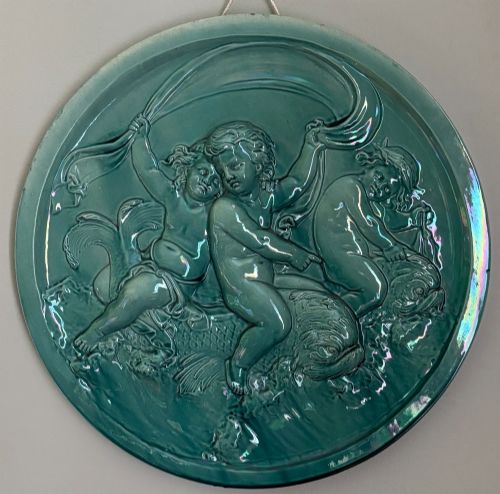
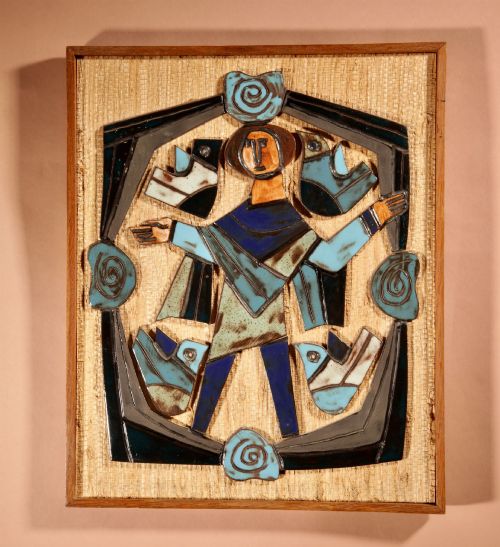
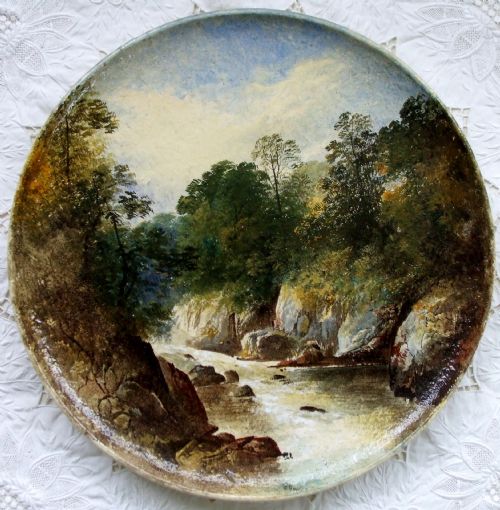
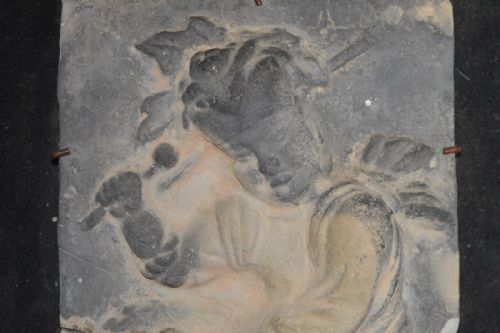
The selections on this page include English Copeland pottery scenes, Austrian majolica depicting birds and sunflowers, and French faience. Pieces range from Victorian landscape works to Arts and Crafts turquoise relief plaques and Art Deco ceramic panels.
Originating from English, Scottish, Austrian, French, Dutch, Italian and Chinese workshops, these items demonstrate diverse regional techniques and stylistic shifts from folk art to Rococo and Art Nouveau.
What varies in quality
Quality rests in the crispness of the moulding, the depth and execution of the glaze, and the skill of the artist's brushwork in hand-painted pictorial scenes. Signed works by recognised decorators carry distinct artistic merit.
The precision of the kiln firing and the preservation of the enamel colours over the centuries distinguish superior examples from simpler decorative output.
Art Pottery Plaque Retail Price Guide 2026
Typical asking prices for art pottery plaque among the pieces listed under this phrase on Sellingantiques today, from the lower quarter to the upper quarter. They describe what is for sale here now, not the wider market.
Listings feature items from the eighteenth, nineteenth, and twentieth centuries, utilising earthenware, ceramic, glaze, faience, and wood.
William Yale·Reginald Robert Tomlinson·Gio Ponti·Richard Ginori·Sherwin and Cotton
The Art Pottery Plaque Glossary
- Majolica
- A type of earthenware decorated with opaque coloured glazes, often featuring vibrant naturalistic subjects such as birds and sunflowers.
- Faience
- Tin-glazed earthenware produced in continental Europe, frequently seen in traditional regional styles and narrative plaques.
- Polychrome
- Decoration employing several colours on a single ceramic surface, commonly utilised in Chinoiserie and landscape panels.
- Relief
- sculptural technique where the figures or ornaments project from the flat background plane, as seen in Arts and Crafts plaques.
- Earthenware
- Porous pottery fired at lower temperatures, serving as the foundational body for many historic decorative tiles and wall plaques.
Art Pottery Plaque: Frequently Asked Questions
How were art pottery plaques displayed?
These ceramic pieces were primarily hung on interior walls as decorative art, functioning much like framed paintings or panel pictures.
Many examples feature original wooden frames or designated mounting elements designed to secure the ceramic securely to the wall surface.
What subjects appear on these plaques?
Decorations span painted natural landscapes, mythological figures, avian studies, floral motifs, and narrative scenes derived from literature or history.
Regional traditions also introduced specific aesthetic movements, from Dutch Chinoiserie to English topographical views.
How do I identify the period of a plaque?
Dating relies on stylistic clues, including the characteristic aesthetic of Victorian folk art, Arts and Crafts relief work, or later Art Deco designs.
Backstamps, signatures, and material compositions further help narrow the era of production from the eighteenth century into the twentieth.
Are these plaques purely decorative?
Plaques and panels were created solely for visual appreciation and interior ornament rather than utilitarian dining or serving use.
Their primary purpose was to introduce colour, texture, and artistic narrative into domestic architectural spaces.