


Art Nouveau Wall Art
Art nouveau wall art brings flowing organic lines and natural motifs into interior spaces through mirrors, plaques, and lighting.
Art Nouveau Wall Art
Art nouveau wall art encompasses functional and decorative domestic items designed during the late nineteenth and early twentieth centuries, capturing the dynamic movement of the natural world.
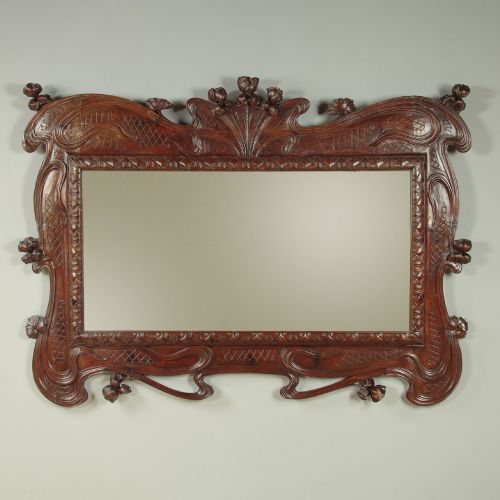
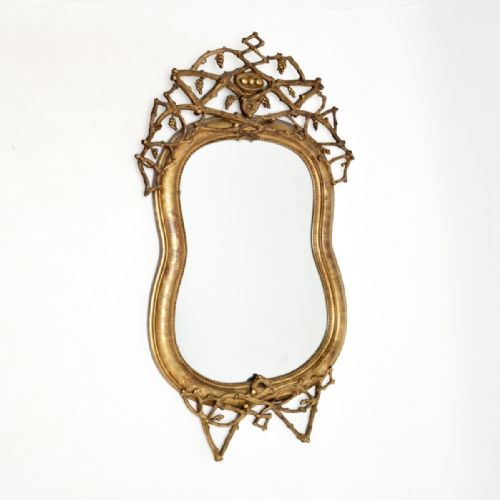
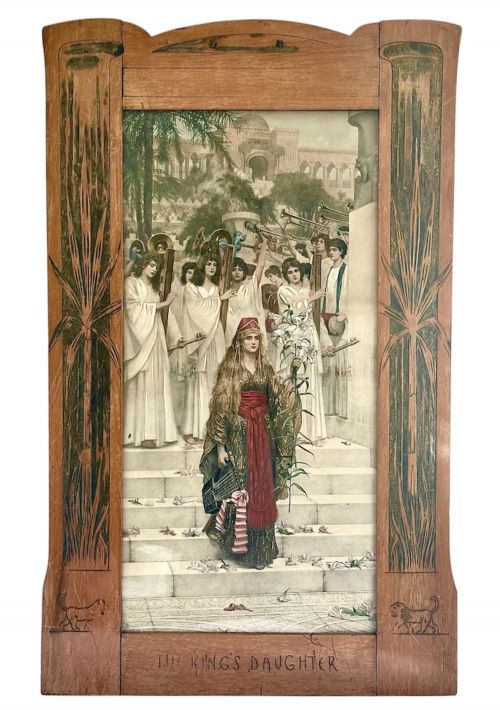
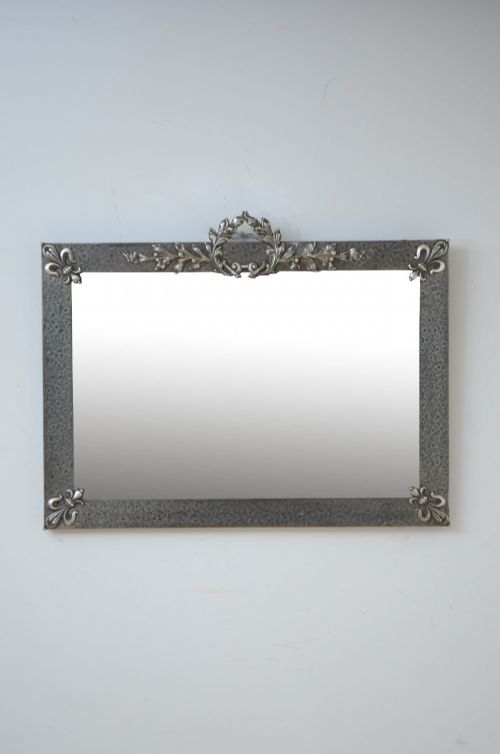
Mirrors form a large share of the selection, often framed in hammered metals or carved timbers with sinuous floral contours.
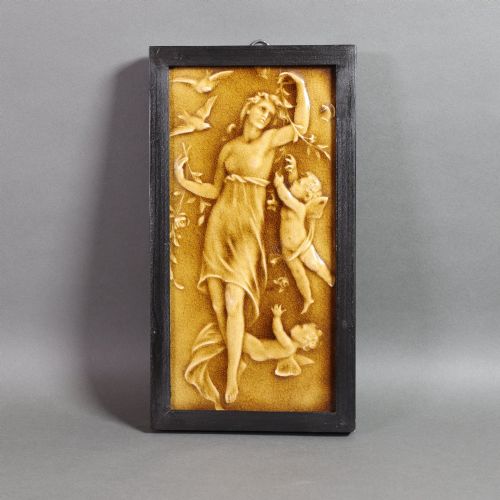
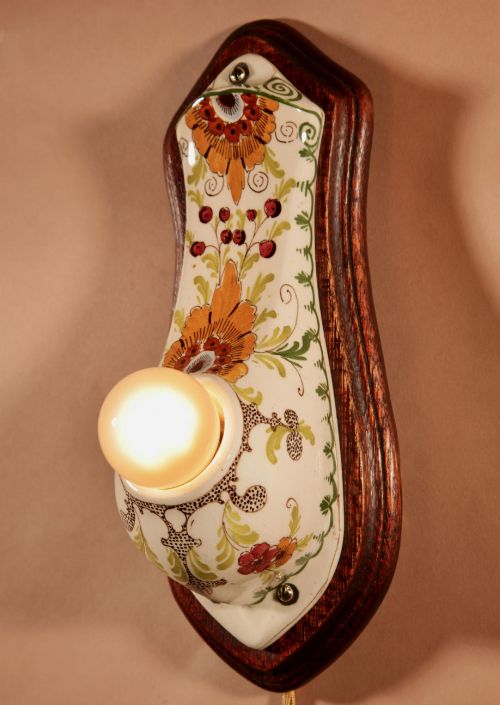
Plaques, sconces, and lighting fixtures complete the category, utilising ceramic, brass, and copper to integrate utility with stylized plant forms.
Materials and construction methods
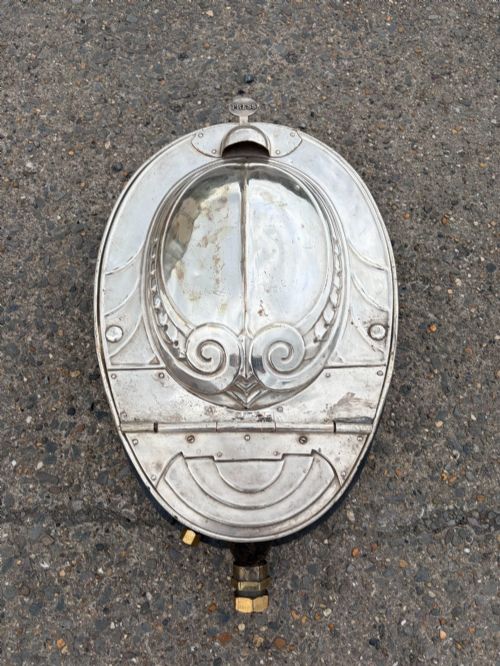
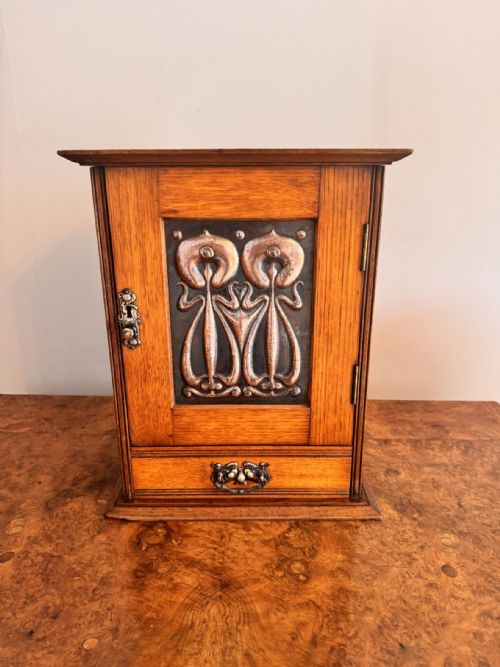
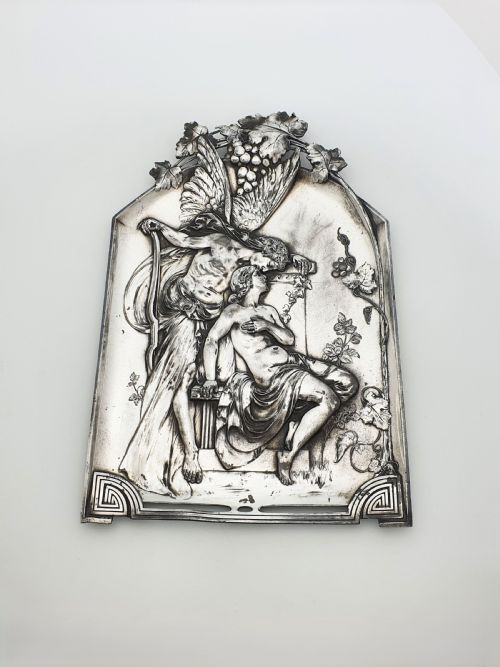
Metals such as copper and brass underwent extensive hand-beating, repoussé, and embossing to create low-relief botanical panels and mirror frames.
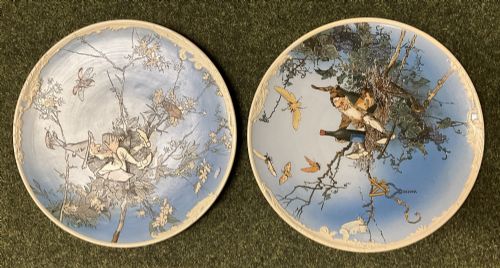
Ceramics and terracotta pieces utilised specialised glazing techniques, including majolica and polychrome finishes, to render vivid floral and avian subjects.
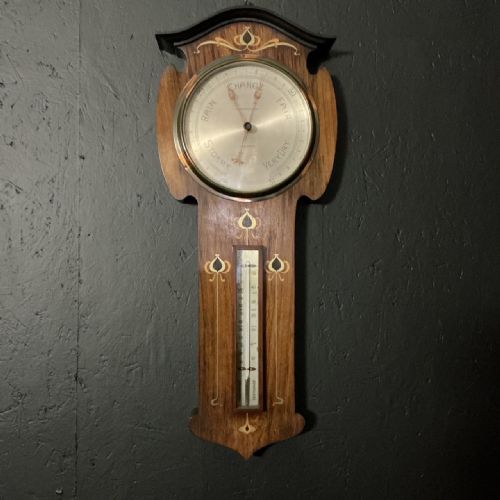
Woodworking combined oak, mahogany, and beech with marquetry and carved gesso to achieve flowing structural profiles.
Assessing craftsmanship and design
Quality rests upon the depth and definition of the hand-worked detail, separating brisk commercial stamping from expressive individual artistry.
Makers known for distinct studio output or documented workshops demonstrate superior metal gauge thickness and refined surface patination.
Liberty and Co·Ernst Wahliss·WMF
The Art Nouveau Wall Art Glossary
- Repoussé
- A metalworking technique where the artisan hammers a design from the reverse side to form a raised relief on the front.
- Jugendstil
- The German artistic movement that ran parallel to art nouveau, emphasising linear plant motifs and youthful vitality.
- Barometer
- An instrument measuring atmospheric pressure, often mounted within decorative carved wooden or metal frames.
- Gesso
- A plaster-like mixture applied to wood surfaces and carved to form ornamental scrollwork or floral borders.
Art Nouveau Wall Art: Frequently Asked Questions
Were wall sconces electrified originally?
Many early lighting fixtures were designed for candles or gas before being converted later for electricity.
Rewired examples should be inspected by a qualified electrician to ensure modern safety standards.
How should I clean antique brass frames?
Dust gently with a soft dry cloth to preserve the natural aged surface patination accumulated over decades.
Avoid abrasive chemical polishes that strip away original dark highlights and factory finishes.
What defines a ceramic wall plaque?
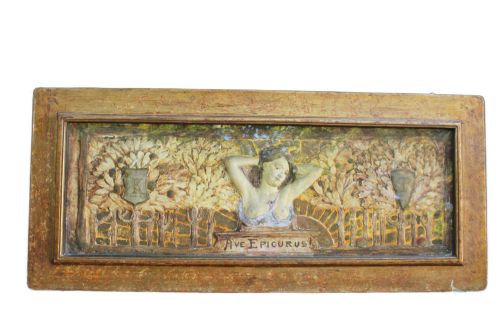
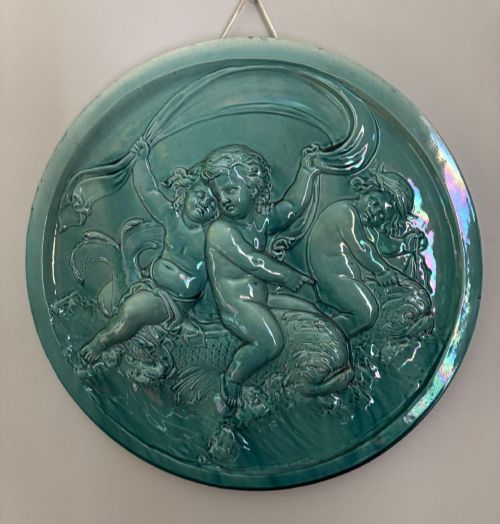
Plaques were moulded in earthenware or terracotta to depict sculptural portraits, mythological figures, and animals.
They generally feature integrated rear hanging loops or fit directly into supportive metal rims.