
Art Nouveau Sterling Silver
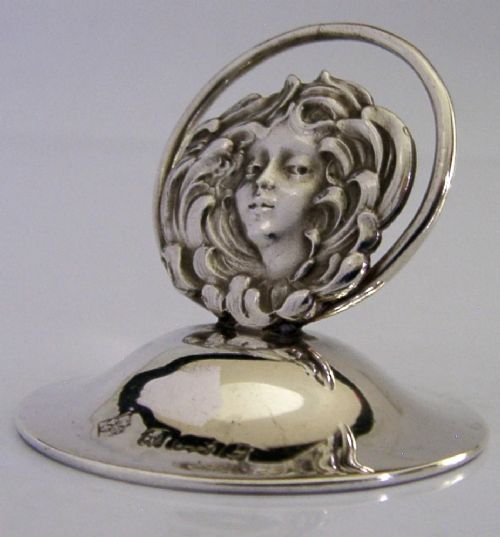
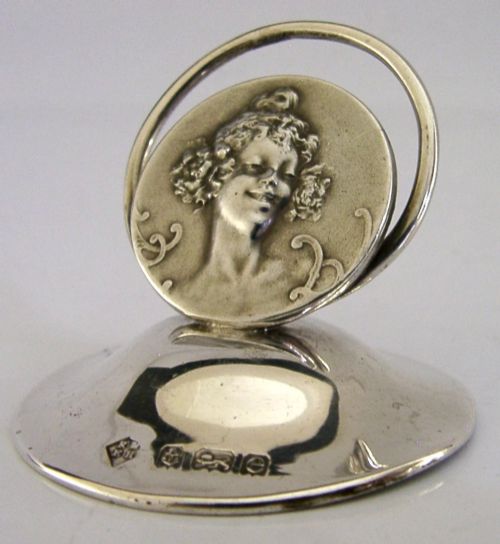
Art nouveau sterling silver objects combine organic whiplash curves with precious metal, offering collectors functional items shaped by natural plant and maiden motifs.
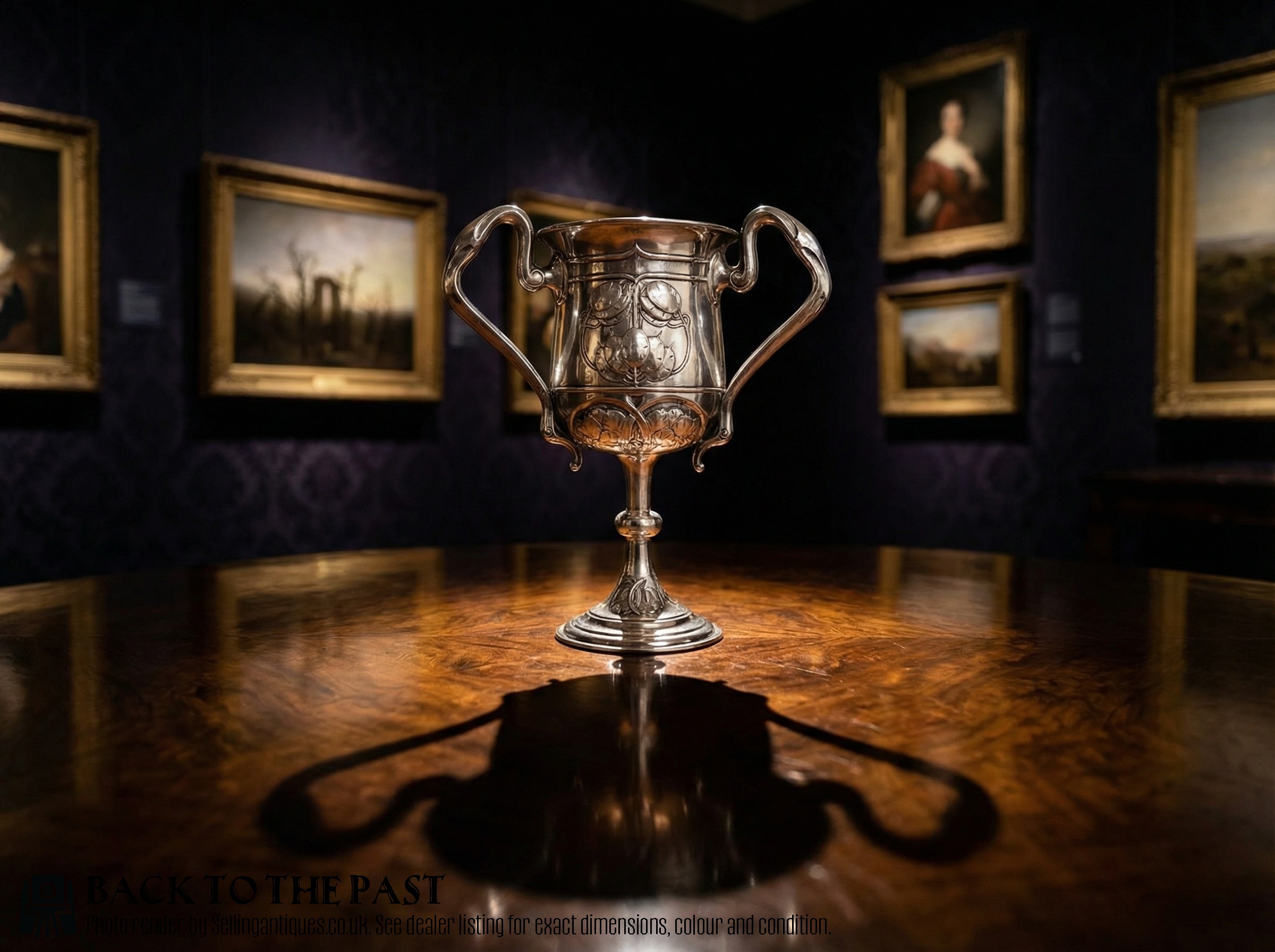
Art Nouveau Sterling Silver
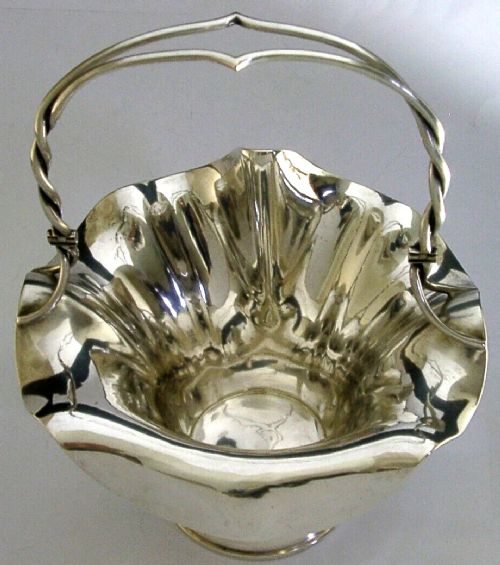
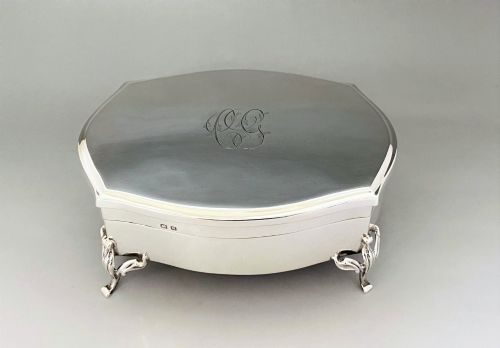
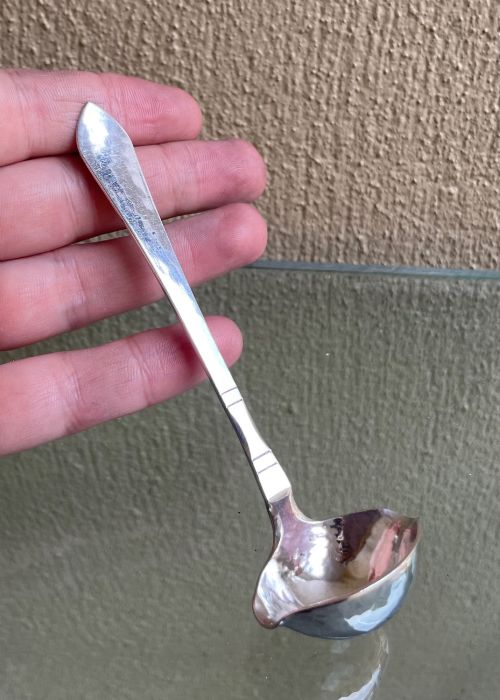
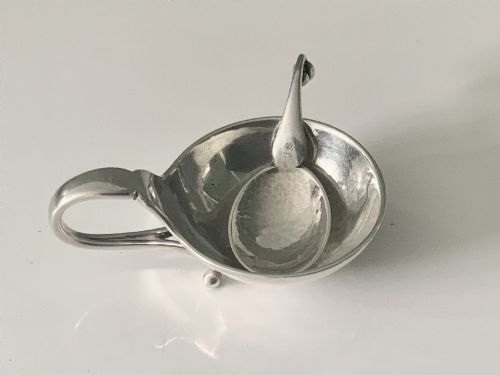
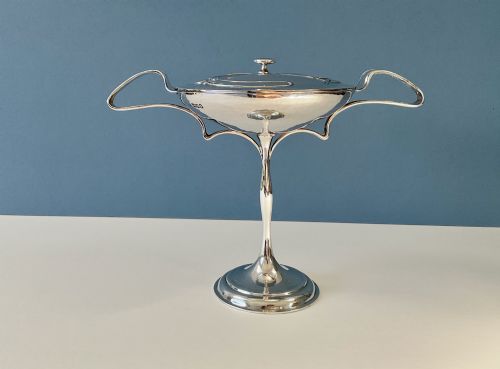
Art nouveau sterling silver encompasses decorative domestic items and personal accessories produced primarily around the turn of the twentieth century. Tableware, photo frames, vanity items, and belt buckles dominate the forms seen in these collections.
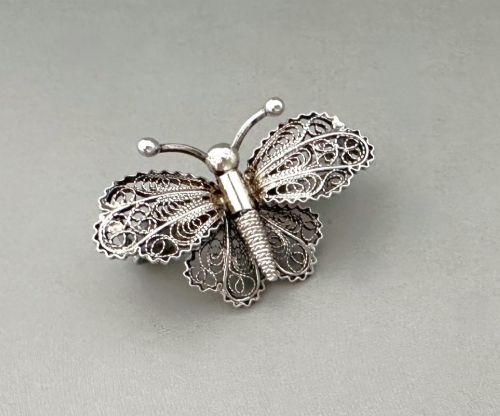
Makers drew heavily on botanical and figurative subjects, translating flower stems, water lilies, winged insects, and maiden hair into sculpted metal. Many survival pieces date from the Edwardian era and the opening decade of the nineteen hundreds.
How they were made
Silversmiths shaped solid sterling silver through casting, hand hammering, and repoussé embossing to achieve high-relief floral motifs. Piercing and openwork techniques created delicate silhouettes on dressing table mirrors and photograph frames.
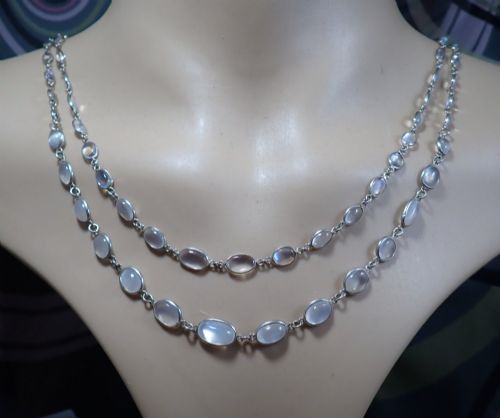
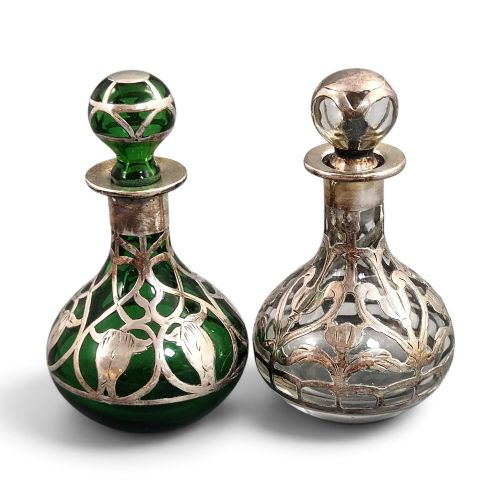
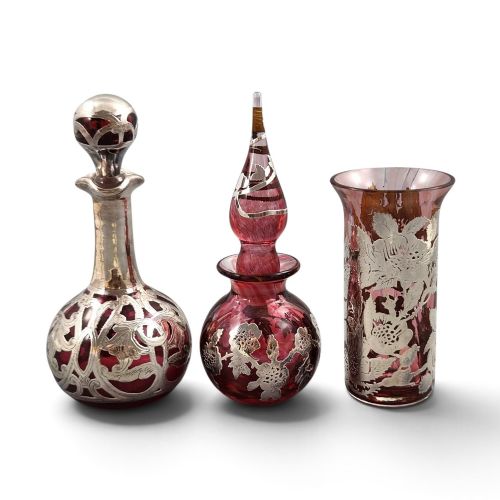
Makers combined silver with contrasting materials such as coloured glass, enamel, moonstone, and crocodile skin. Silver overlay methods fused thin metal tracery directly onto glass scent bottles and vanity vessels.
Materials appearing alongside sterling silver include green glass, guilloche enamel, moonstone, and crocodile skin.
What varies in quality
Depth of relief work and crispness in chasing separate standard production items from superior studio pieces. Stronger objects show deliberate hand finishing on intricate details like maiden hair and feather veining.
The integration of secondary elements dictates overall merit. Examples that combine sterling silver with well-fired enamel or properly fitted glass liners demonstrate higher manufacturing ambition.
Goldsmiths and Silversmiths Company·Georg Jensen·William Hutton and Sons·James Fenton·Charles Horner·George Adam Scheid·John Collard Vickery·Gorham·Alvin·Sampson Mordan
The Art Nouveau Sterling Silver Glossary
- Repoussé
- Metalworking technique where the design is hammered into relief from the reverse side. This method allowed silversmiths to push soft sterling silver into rounded organic contours.
- Guilloche enamel
- Decorative technique where transparent enamel is layered over engine-turned metal engraving. It produces geometric patterns beneath a glossy coloured surface.
- Sterling silver
- Alloy consisting of ninety-two point five percent silver by mass and seven point five percent other metals, usually copper. This standard composition provides durability for domestic hollowware and jewellery.
- Silver overlay
- Process of applying cut-out sterling silver designs onto glass or ceramic vessels. The metal decoration is bonded directly to the substrate before final polishing.
- Vesta case
- Small pocket box designed for holding matches and striking them on an integral surface. Edwardian versions often incorporate curved bodies and chased floral designs.
Art Nouveau Sterling Silver: Frequently Asked Questions
How do I clean antique silver?
Use a soft microfiber cloth and a mild, non-abrasive silver polish formulated for antiques. Avoid scrubbing raised repoussé details or soaking pieces with enamel and glass inserts.
Store items in tarnish-resistant cloths or acid-free tissue paper when not on display. Regular gentle dusting prevents the heavy accumulation of atmospheric tarnish.
Are these items hallmarked?
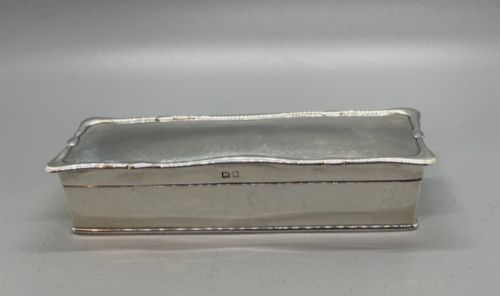
British pieces typically bear clear hallmarks indicating the assay office, date letter, and sterling standard. American items generally carry the stamp of the maker alongside the word sterling.
Familiarising yourself with standard assay marks from Birmingham, Chester, and London helps verify the production period. Unmarked overlay work on glass relies on known maker patterns for attribution.
How were photo frames used?
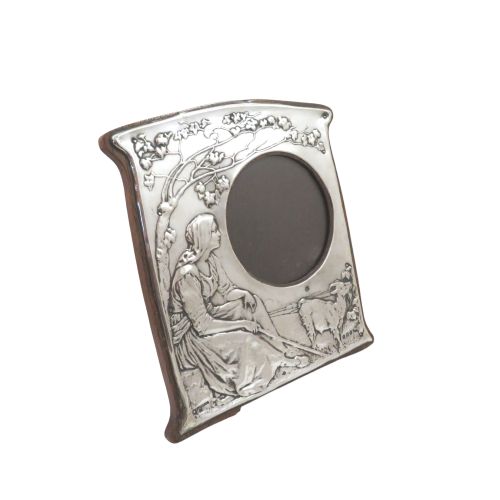
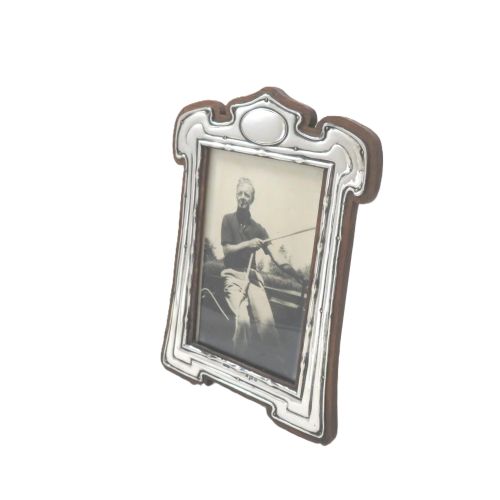
Edwardian households displayed portrait photographs of family members on mantels, desks, and dressing tables. Large easel-backed frames were manufactured in various dimensions to suit cabinet cards and smaller prints.
These frames often feature velvet or fabric backings held in place by turn-buttons. The silver mounts were designed to frame sentimental photographs with botanical motifs.
Can I wear antique hair slides?
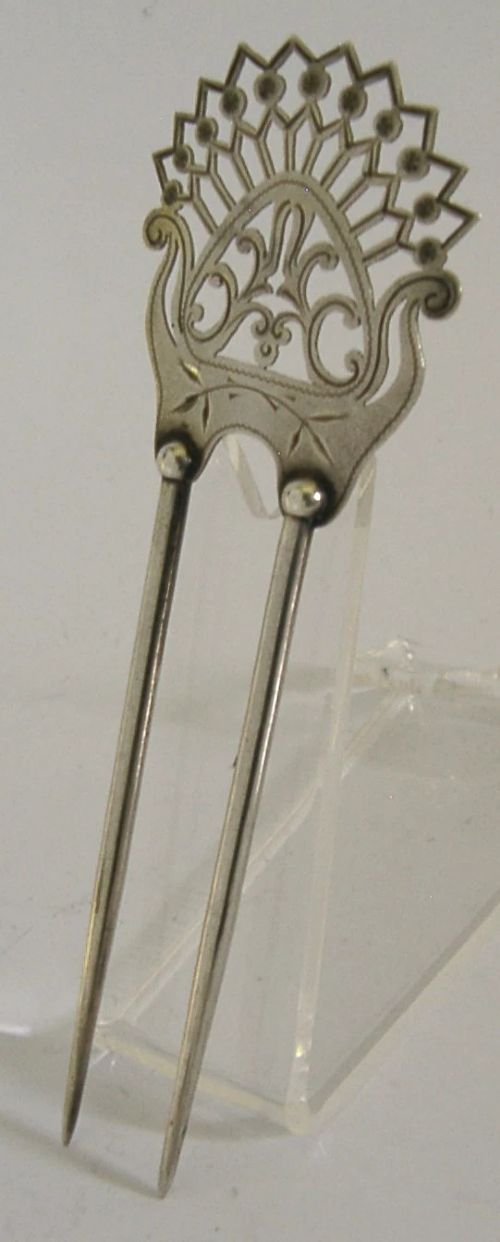
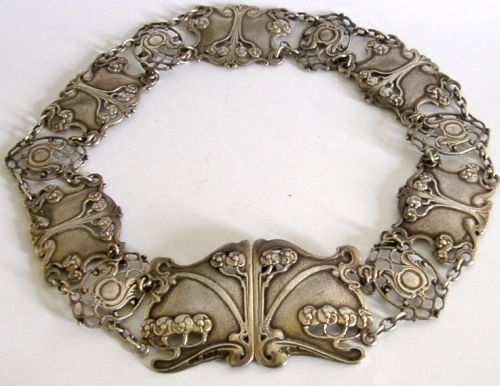
Hair slide combs and belt buckles were standard personal accessories during the early nineteen hundreds. Silver hair ornaments require careful handling due to the delicate nature of thin tines and embossed mounts.
Secure them gently in thick hair to avoid bending the sterling silver. Many collectors prefer to mount these textile and vanity accessories in display cases.