
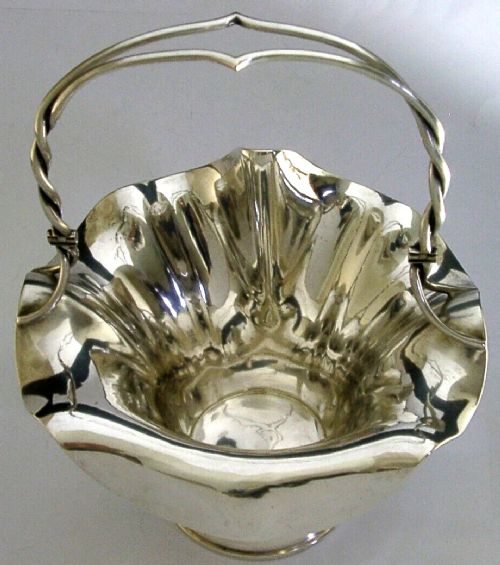
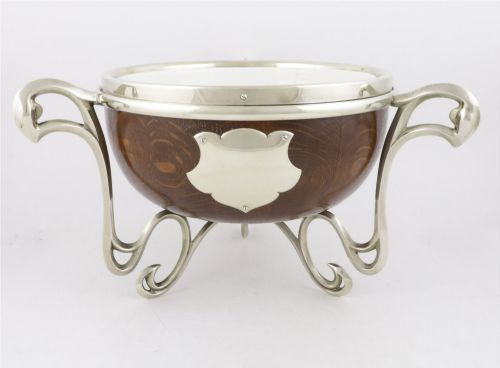
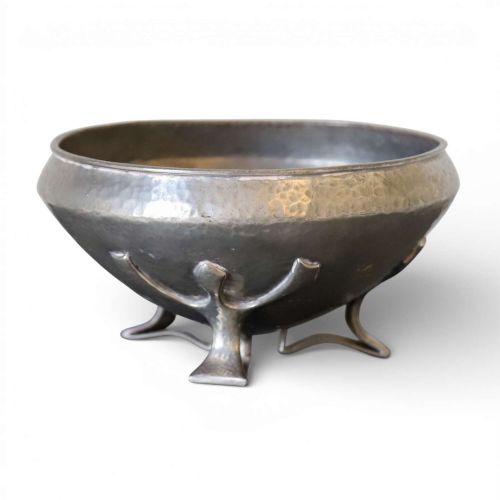


Art Nouveau Silver Fruit Bowl
An art nouveau silver fruit bowl brings organic flowing lines and natural motifs directly to the dining table.
Art Nouveau Silver Fruit Bowl
An art nouveau silver fruit bowl encompasses centrepieces, baskets, and decorative dishes shaped by the flowing natural aesthetic of the late nineteenth and early twentieth centuries. These vessels often combine precious metal with contrasting liners or mounts to create dramatic table displays.
Most examples date from around nineteen hundred, reflecting the height of the international design movement through stylised floral forms and sinuous handles. Collectors encounter both solid sterling pieces and plated or pewter variants.
The objects served primarily as centrepieces or fruit holders for dining rooms, merging decorative sculpture with domestic utility. Their forms range from simple handled baskets to elaborate architectural stands featuring glass or ceramic inserts.
How they were made
Many items utilise silver plating or solid sterling silver shaped through casting, hammering, and embossing to achieve fluid vegetal contours. Metalwork was frequently paired with blown glass liners, including green vaseline glass, or fitted to wooden and ceramic bases.
Workshops employed specialised techniques such as applied figural elements and pierced metal foliage to accentuate the organic themes typical of the period. Pewter alloys were also cast and hand-finished to produce distinctive matte grey surfaces with low relief ornament.
Listings feature materials spanning solid silver, silver plate, pewter, glass, ceramic, and wood from the late nineteenth century onward.
What varies in quality
The distinction between standard commercial output and exceptional work lies in the crispness of the casting and the artistry of the figural or botanical motifs. Superior pieces integrate glass liners and metal mounts with precision, ensuring harmonious proportions.
Makers known for high artistic standards applied heavier gauge metals and more intricate hand-chasing, whereas mass-produced items relied on simpler stamped decoration. The preservation of original glass inserts and the integrity of the plating or patination heavily influence the character of each piece.
Liberty and Co·Oliver Baker·Royal Doulton·Gorham·Christofle et Cie
The Art Nouveau Silver Fruit Bowl Glossary
- Centrepiece
- A large decorative vessel or stand placed in the middle of a dining table. These pieces often incorporated glass bowls or figural metal supports.
- Vaseline glass
- A type of glass coloured with uranium dioxide, producing a characteristic yellow-green shade that glows under ultraviolet light. It frequently appeared as the removable liner in plated metal baskets.
- Pewter
- A malleable metal alloy primarily composed of tin, used widely by continental manufacturers for organic vessels. It accepts low relief casting exceptionally well.
- Epergne
- An elaborate tabletop centrepiece featuring a central dish with branching holders for smaller bowls or sweetmeat dishes. They create height and architectural presence on formal dining tables.
- Swing handle
- A movable arched handle attached to the rim of a basket or bowl by pivots. This feature allowed easier access to contents and appeared frequently on domestic fruit baskets.
Art Nouveau Silver Fruit Bowl: Frequently Asked Questions
How do I clean an art nouveau silver fruit bowl?
Use a soft cloth and a gentle, non-abrasive polish specifically formulated for silver or plated surfaces, taking care around delicate glass or ceramic liners.
Avoid immersing pieces that combine wood or organic adhesives in water to preserve the structural integrity of the antique construction.
Were these bowls used for actual fruit?
These vessels were designed primarily as decorative centrepieces for dining tables and often held fresh fruit or floral arrangements during formal meals.
Acidic fruits should not be left in direct contact with vulnerable metal surfaces for extended periods to prevent tarnishing or corrosion.
How can I tell solid silver from silver plate?
Examine the piece for official hallmarks indicating town, maker, and standard of precious metal purity, which appear on solid sterling examples.
Silver-plated items usually lack these stamps or bear maker marks specific to manufacturing firms that utilised base metal cores.
What is pewter tinsel and how is it finished?
Pewter objects from this era often feature a soft, matte finish achieved through careful polishing or gentle hand-hammering rather than a bright reflective shine.
This material allows for deep, organic relief work without the need for excessive chemical brighteners.