



Sheffield Silver Plate Cup
Sheffield silver plate cup pieces are fusion-plate vessels from the eighteenth and nineteenth centuries, offering heavy silver surfaces over copper cores.
Sheffield Silver Plate Cup
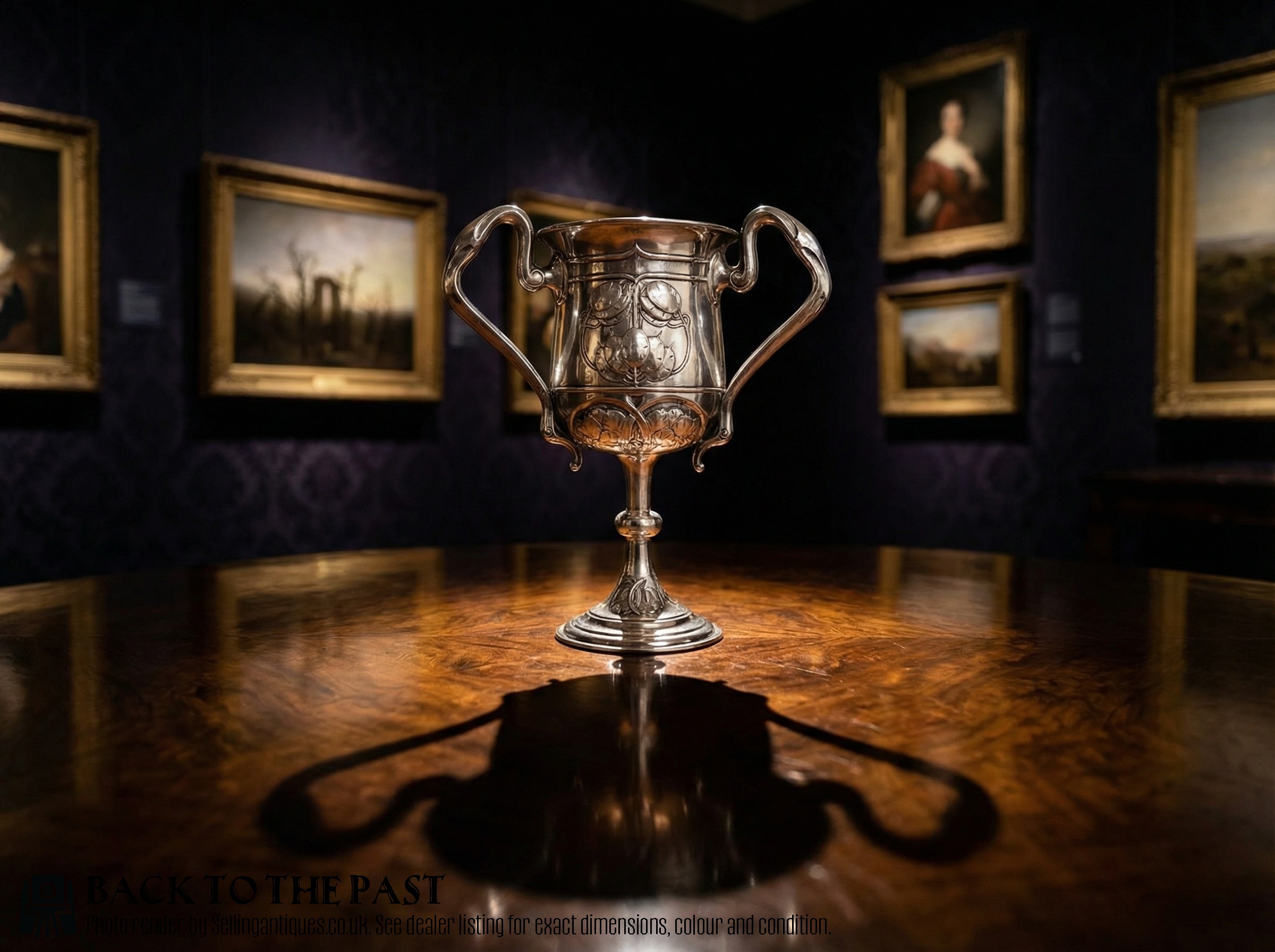
When you search for sheffield silver plate cup, you encounter drinking vessels and display pieces primarily originating from the eighteenth and nineteenth centuries. The selection spans Georgian, Regency, William IV, and Victorian periods, alongside later examples such as Art Nouveau creations.
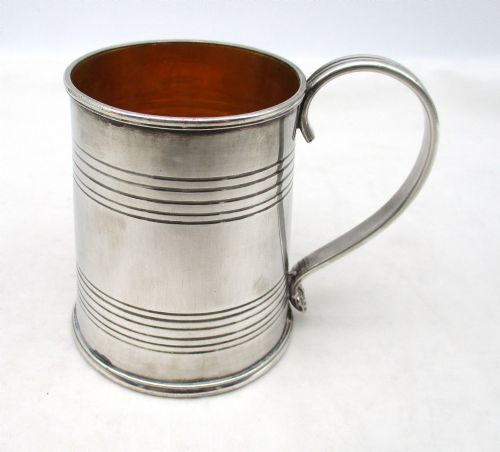
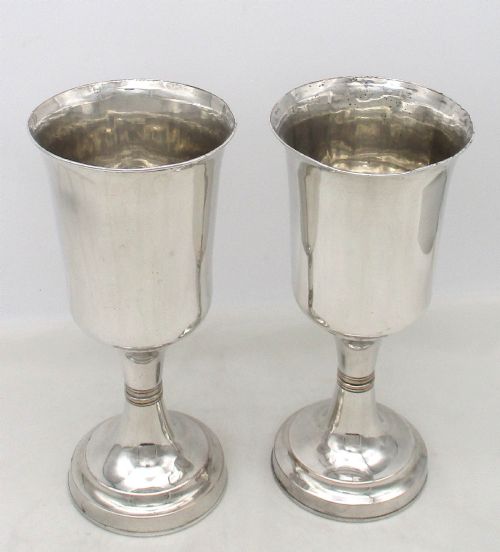
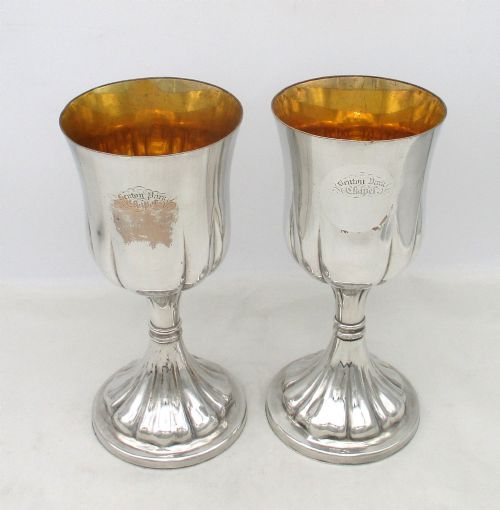
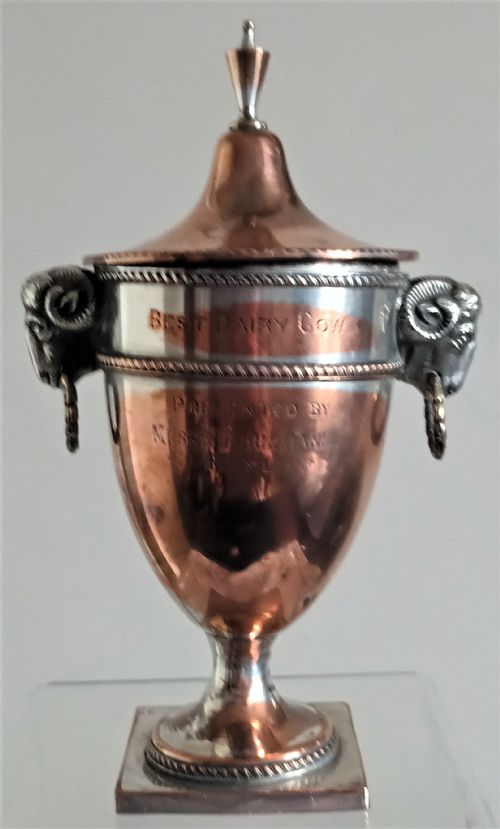
Church chalices, communion goblets, and loving cups dominate the available forms, accompanied by smaller child's tankards and decorative miniature chestnut urns. Pairs frequently appear among the chalices and tankards, offering matched sets from the same era.
The objects display the distinct material characteristics of early fused plating, where a sheet of silver is thermally bonded to a heavy copper base. This production method results in sturdy vessels designed for ceremonial use, domestic drinking, or decorative display.
Materials and construction methods
Makers fused a thin layer of sterling silver to a thick copper ingot through heat and pressure before rolling the composite metal into sheets. This old Sheffield plate technique produced resilient metal sheets that were then shaped into chalices, tankards, and urns.
Artisan silversmiths utilised gold gilt or gold gilding on the interior bowls of specific communion chalices and loving cups. Surface decoration often included chased or engraved detailing applied directly to the heavy copper and silver laminate.
Sheffield Silver Plate Cup Retail Price Guide 2026
Typical asking prices for sheffield silver plate cup among the pieces listed under this phrase on Sellingantiques today, from the lower quarter to the upper quarter. They describe what is for sale here now, not the wider market.
Miniature chestnut urns allow buyers to own stately dining furniture ornaments scaled down to fit on a desk.
Distinctions in quality and execution
The preservation of the original silver layer over the underlying copper determines much of the visual appeal. Examples that retain their heavy silver without excessive wear on high points demonstrate superior longevity.
Form complexity and decorative restraint separate standard production items from exceptional commissions. Matched pairs with intact gilding inside the bowl represent the higher tier of surviving nineteenth-century examples.
Joseph Rodgers & Sons
The Sheffield Silver Plate Cup Glossary
- Old Sheffield Plate
- An early form of silver plating created by fusing a sheet of silver to a copper core before rolling.
- Chalice
- A large ceremonial cup, often used for communion services in church settings.
- Loving Cup
- A large drinking vessel featuring two or more handles, designed to be passed between people.
- Gilt
- A thin layer of gold applied to the interior surface of a silver or plated vessel.
- Chestnut Urn
- A decorative covered vessel used on dining tables during the Georgian period.
Sheffield Silver Plate Cup: Frequently Asked Questions
What is old Sheffield plate?
Old Sheffield plate is a composite material made by fusing silver and copper together through heat. This technique creates a durable metal sheet that predates modern electroplating.
Pieces made this way show a distinct copper edge where the plate meets at seams or rims, which helps verify the period of manufacture.
How were communion chalices used?
Communion chalices served sacramental wine during church services throughout the nineteenth century. Larger examples held wine for congregation distribution.
Many surviving chalices retain gilt interiors designed to protect the metal from the acidic nature of wine.
How do I care for plated cups?
These vessels require gentle cleaning with non-abrasive silver polish to preserve the thin silver layer over the copper core. Avoid harsh scrubbing that exposes the base metal.
Displaying them away from direct moisture helps prevent tarnishing and preserves the historical surface.
Are loving cups different from tankards?
Loving cups feature multiple handles designed for sharing between drinkers during ceremonies or communal gatherings. Tankards generally feature a single handle and often include lids for individual use.
Both forms appear in domestic and ecclesiastical contexts across the Georgian and Victorian eras.