
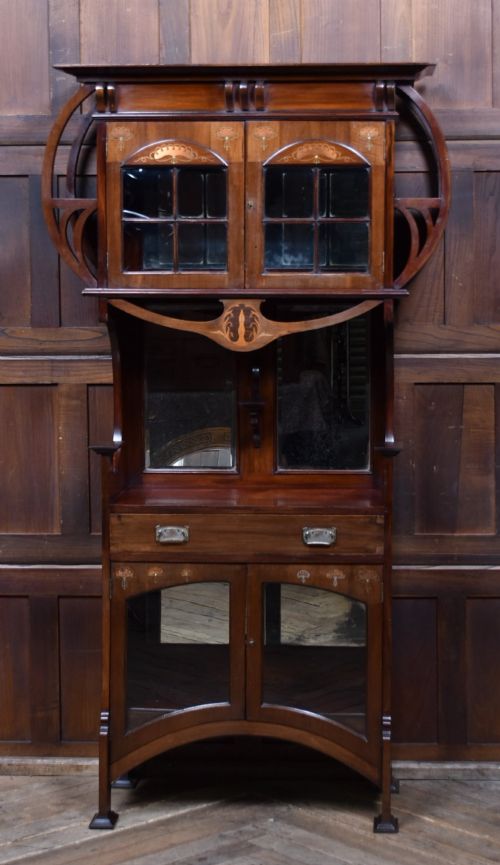


Art Nouveau Inlaid Furniture
Art nouveau inlaid furniture combines organic floral motifs with precise cabinetwork, bringing expressive linear design and meticulous floral decoration into domestic interiors.
Art Nouveau Inlaid Furniture
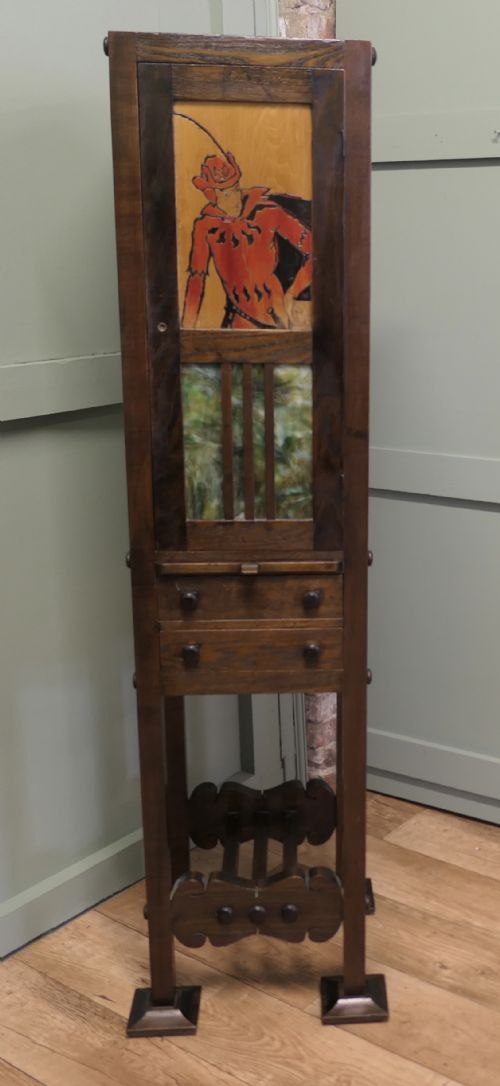
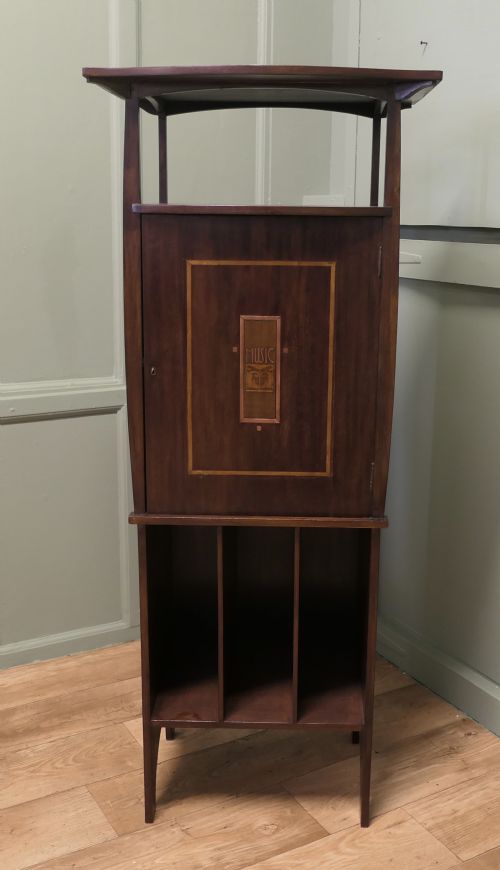
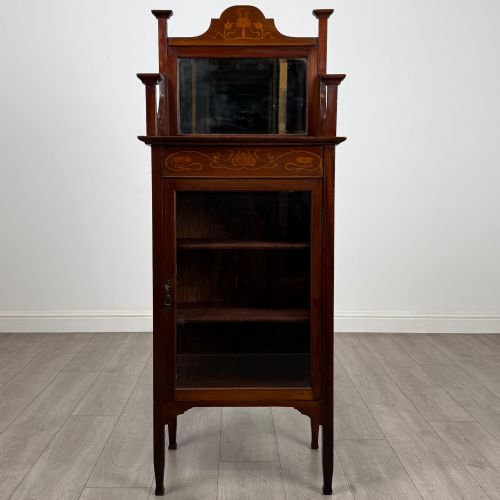
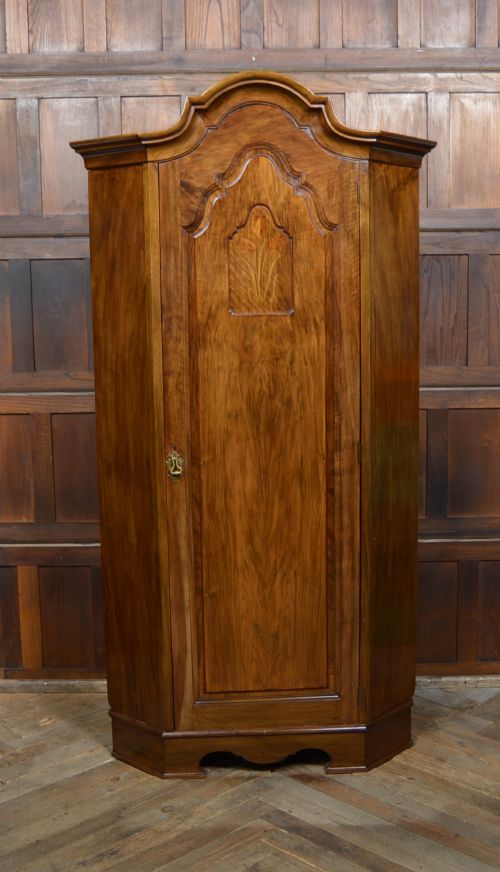
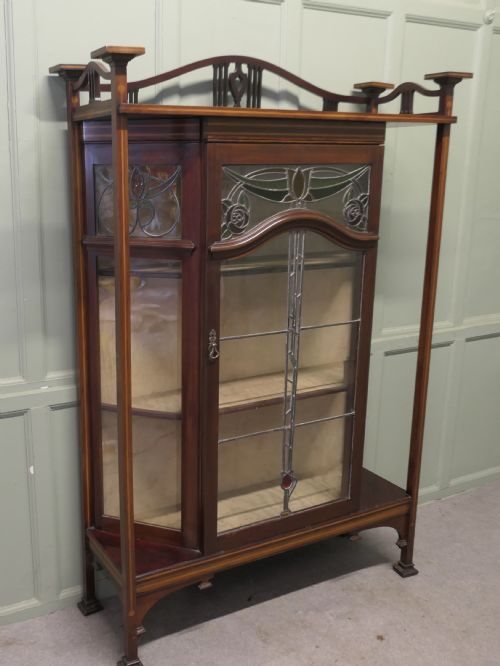
Art nouveau inlaid furniture encompasses functional domestic forms like display cabinets, wardrobes, music cabinets, and bookcases produced across the late nineteenth and early twentieth centuries. These pieces reflect the broader aesthetic movements of the period, including Arts and Crafts, Glasgow School, and Viennese Secessionist designs.
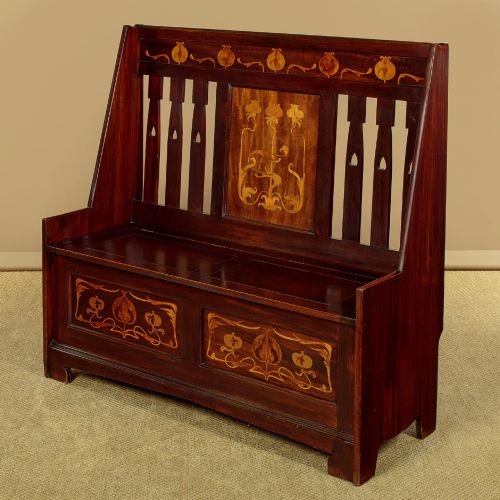
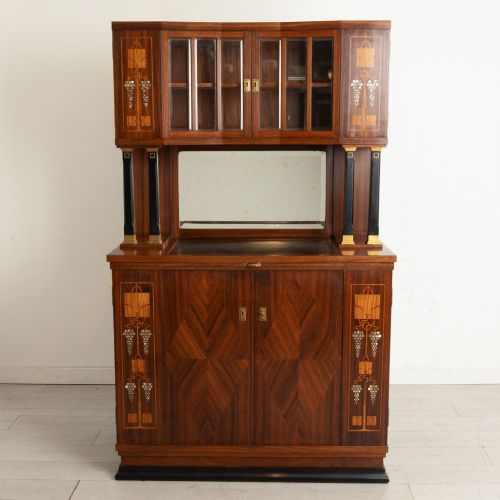
The objects available range from upright corner robes and bow front cabinets to revolving bookcases and coal boxes. Mahogany and walnut provide the primary structural carcasses, enriched with varied fruitwood inlay, marquetry, and contrasting satinwood highlights.
Makers and designers from Britain and continental Europe utilised flowing plant forms, whiplash lines, and stylized botanical marquetry. Buyers encounter both British production from firms like Shapland and Petter and continental European works from Vienna, Amsterdam, and French studios.
How art nouveau inlaid furniture was made
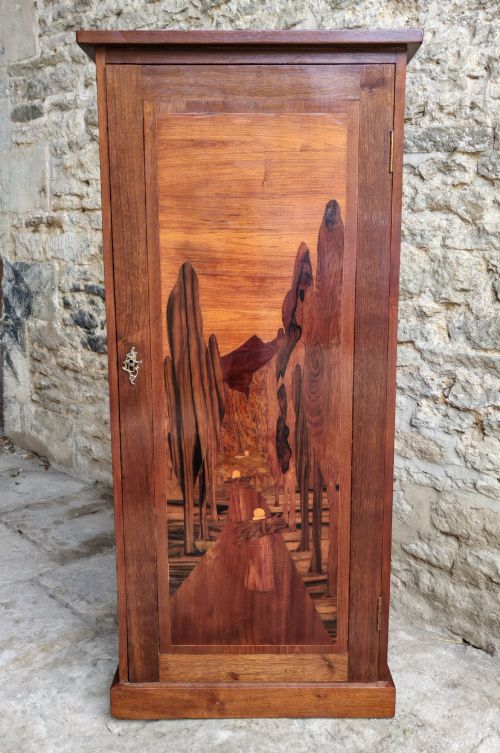
Craftsmen built the structural carcases using dense timbers such as mahogany and walnut, ensuring stability for large items like wardrobes and display cabinets. Secondary timbers and fruitwoods were selected specifically for their contrasting tones to form intricate pictorial and geometric marquetry panels.
Wood inlay and marquetry techniques required meticulous hand-cutting of fine veneer slices, fitted directly into recesses carved into the primary wood surface. Brass hardware and glass panels complemented the cabinetry, adding structural contrast to the organic wood patterns.
Listings feature items spanning the Victorian, Edwardian, and early twentieth-century periods, constructed from mahogany, walnut, fruitwood, and satinwood.
What varies in quality
Quality separates pieces through the precision of the marquetry fit and the depth of the timber selection, where tightly grained mahogany and variegated fruitwoods display superior visual harmony. Master workshops achieved seamless flush surfaces where different veneer species meet, whereas lesser examples show visible filler or abrupt transitions.
Design ambition dictates the upper tiers of the range, distinguishing standard cabinet forms from works bearing documented artistic direction from significant regional schools and named makers. The integration of structural joinery with organic carved contours determines whether a piece maintains sculptural integrity alongside everyday utility.
GM Elwood for JS Henry·Shapland and Petter·James Shoolbred and Co·August Ungethüm·Wylie Lochhead of Glasgow·E A Taylor·Louis Majorelle·Emile Galle·Carlo Bugatti
The Art Nouveau Inlaid Furniture Glossary
- Marquetry
- A technique where pieces of veneer are fitted together to form decorative patterns or pictorial scenes on a furniture surface. This method allows for complex multi-coloured floral designs characteristic of the period.
- Veneer
- A thin slice of ornamental wood applied over a sturdier structural timber base. High-grade specimens utilise carefully chosen grain patterns to enhance visual movement.
- Secessionist
- An artistic style originating in central Europe that favoured geometric structure alongside organic motifs. This aesthetic appears across continental cabinets and occasional tables.
- Satinwood
- A bright, light-coloured tropical timber utilised for contrasting stringing and inlay details. Cabinetmakers valued its reflective quality against dark mahogany and walnut.
Art Nouveau Inlaid Furniture: Frequently Asked Questions
What defines art nouveau inlaid furniture?
These pieces combine structural domestic forms with sweeping organic motifs and precise wood inlay. They reflect international design reform movements of the late nineteenth and early twentieth centuries.
Craftsmen utilised mahogany, walnut, and diverse fruitwoods to create fluid floral marquetry patterns across cabinets, bookcases, and seating.
How do I care for inlaid wood?
Protect the surfaces from direct sunlight and maintain stable indoor humidity to prevent the fine veneers and marquetry from drying out. Gentle dusting with a dry cloth preserves the polished timber finish.
Avoid placing damp items directly onto mahogany or walnut tops, as moisture can penetrate the delicate veneer joints and cause lifting.
Where were these pieces made?
Production occurred across Britain and continental Europe, with notable manufacturing centres in London, Scotland, Vienna, Amsterdam, and France. Regional schools developed distinct interpretations of the organic style.
British firms often worked within the Arts and Crafts tradition, while continental workshops embraced Secessionist geometry and naturalistic marquetry.
How can I tell periods apart?
Early pieces from the eighteen-eighties and eighteen-nineties often feature heavier Victorian proportions combined with emerging floral marquetry. Later Edwardian examples tend to exhibit lighter timber frames and more stylized linear patterns.
Reference to specific design groups like the Glasgow School or continental workshops helps date items to the turn of the twentieth century.