



Art Nouveau Figural Sculptures
Art nouveau figural sculptures combine sinuous organic lines with human forms, offering collectors graceful centrepieces, lamps and vases from the late nineteenth and early twentieth centuries.
Art Nouveau Figural Sculptures
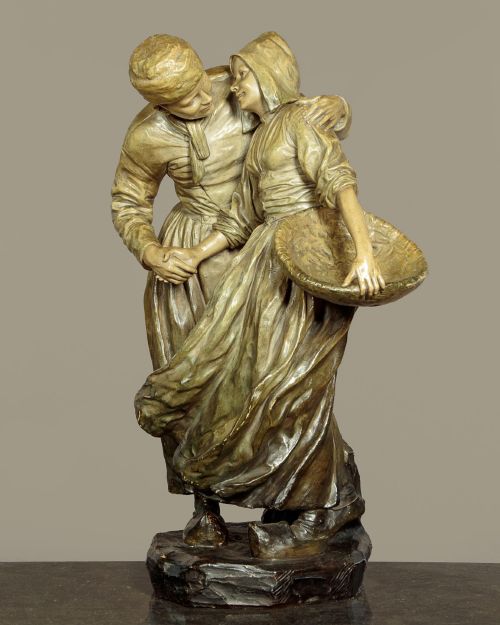
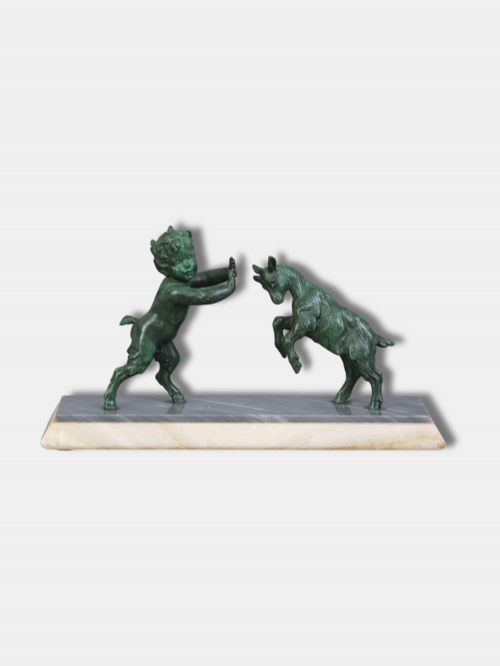
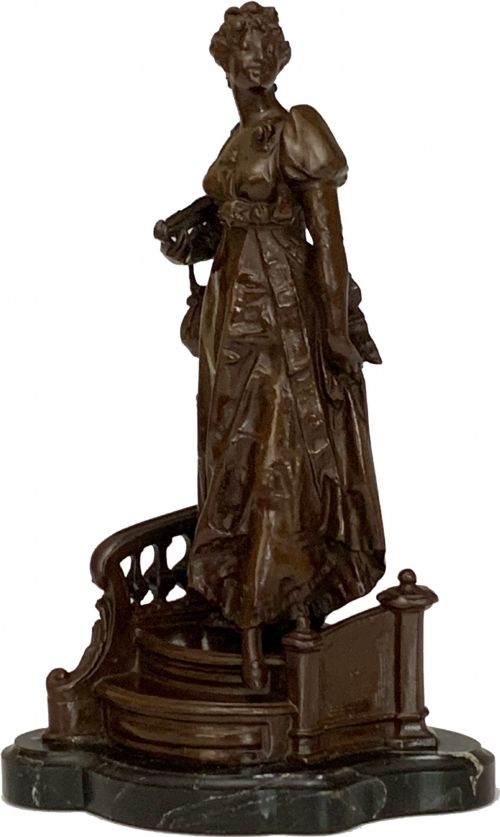
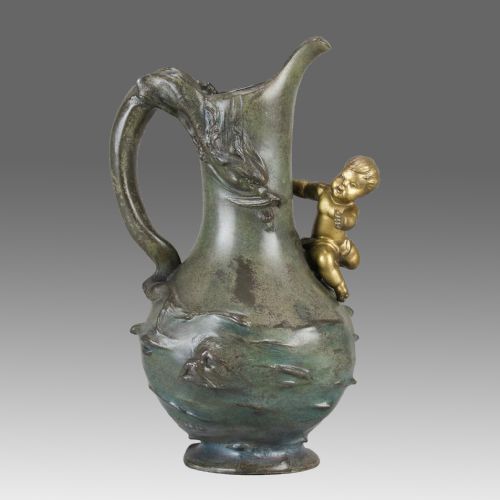
Art nouveau figural sculptures encompass a wide range of decorative objects, including table lamps, vases, spill vases, centrepieces and standalone figurative studies produced predominantly during the late nineteenth century, the belle epoque and the early twentieth century.
The pieces on this page originate largely from French and European makers working within the art nouveau style, alongside Victorian and Edwardian examples featuring mythological figures, nudes, putti and elegant ladies.
Forms span from patinated bronze studies and marble groupings to porcelain centrepieces and silvered spelter lampbases, reflecting the diverse applications of figurative design in domestic interiors.
How they were made
Materials recorded in the evidence include bronze, patinated bronze, gilt bronze, marble, alabaster, terracotta, earthenware, porcelain, pewter and spelter, often combined within a single composition or paired with marble bases.
The execution relies on traditional foundry casting for metal works and hand-modelling or moulding for ceramics and terracotta, followed by patination, silvering or hand-painting to achieve surface depth.
Listings feature works in bronze, marble, porcelain, terracotta, alabaster, pewter and spelter.
What varies in quality
The choice of medium also dictates distinction, as heavy cast bronze and carved marble command greater presence than softer alloy alternatives like spelter.
Emile Carlier·Georges Van Der Straeten·Richard Avrilli·Hector Lemaire·Charles Korschann·Ernst Barrias·Ivan Zaiec·Emmanuel Villanis·Ernst Wahliss·Georges Van De Voorde·Antoine Bofill·Carl Kauba·Auguste Moreau·Alexandre Clerget·Henri Honore Ple·Ernest Louis Adnin·Goldscheider
The Art Nouveau Figural Sculptures Glossary
- Spelter
- A zinc alloy commonly used as a substitute for bronze in decorative figures and lampbases, often finished with a patinated or silvered coating.
- Patinated bronze
- Bronze that has been treated with chemical solutions to produce a specific surface colour and tone.
- Putto
- A motif depicting a plump naked child, frequently winged, appearing in sculptural groups and decorative lampbases.
- Centrepiece
- A large ornamental object designed for the middle of a table, often taking the form of a figural porcelain shell or group.
Art Nouveau Figural Sculptures: Frequently Asked Questions
How do I identify art nouveau figural sculptures?
Look for whiplash curves, stylised floral motifs and flowing hair integrated into the design of the human figure.
These characteristics appear across various mediums, from bronze studies to porcelain vases and lamps dating from the late nineteenth century onwards.
What is the difference between bronze and spelter?
Bronze is a heavy copper alloy capable of holding exceptionally sharp casting detail and deep patination.
Spelter is a lighter zinc-based metal used frequently for mass-produced lamps and decorative figures during the same period.
Where were these sculptures placed originally?
Many served as functional items in domestic interiors, operating as table lamps, inkwells, spill vases and decorative centrepieces.
Larger standalone figures and figure groups were designed specifically for display on pedestals, mantelpieces or side tables.
How do I care for antique bronze and marble?
Dust surfaces gently with a soft dry cloth and avoid harsh cleaning products that might strip the original patination.
Marble and alabaster require particular care to prevent staining, as porous stone absorbs moisture and oils easily.