


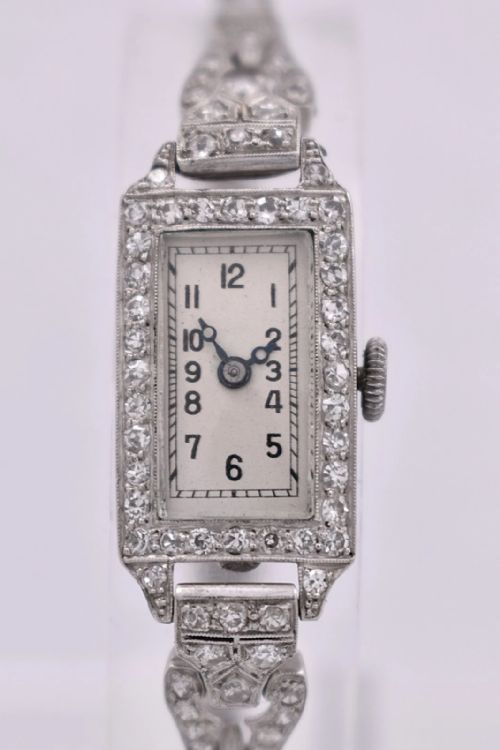


Art Deco Wristwatch
These curated pieces of art deco wristwatch engineering deliver precise timekeeping wrapped in the geometric elegance of the mid-twentieth century.
Art Deco Wristwatch
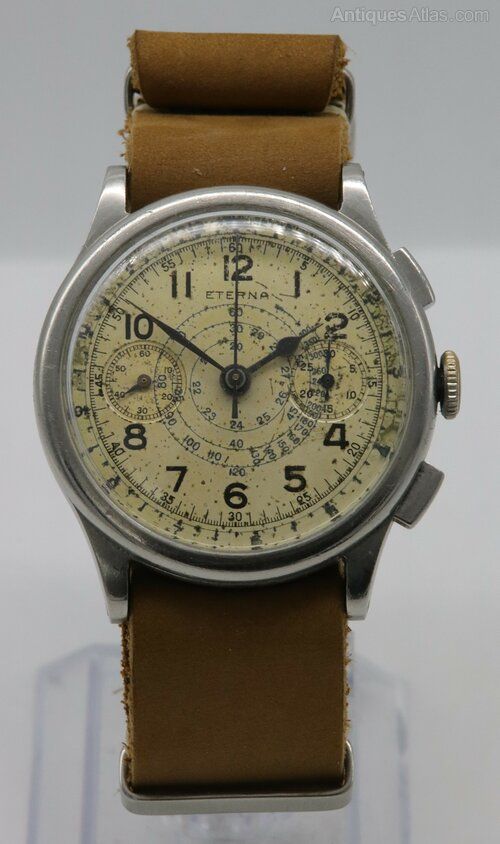
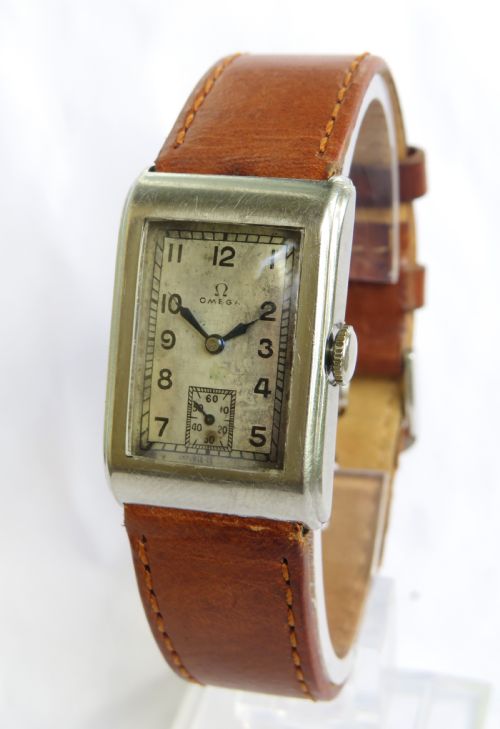
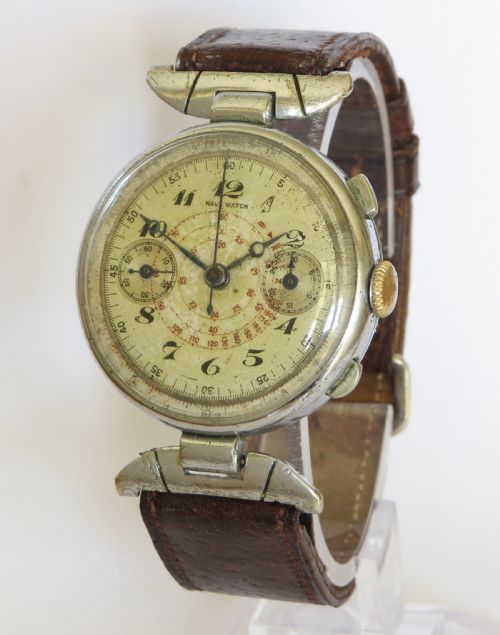
Buyers exploring this selection encounter timepieces primarily dating from the 1920s through to the 1950s, with a heavy concentration originating from the 1930s. The forms range widely from robust men's aviator, chronograph, and tank models to delicate ladies' cocktail watches designed for formal wear. These items bridge the gap between functional utility and period ornamentation.
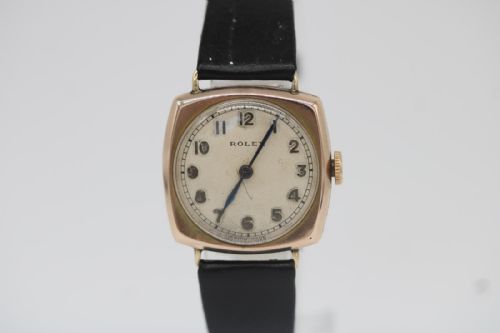
The assortment includes examples featuring square dials, curved rectangular cases, and streamline silhouettes. Swiss and French makers dominate the heritage behind these watches, alongside American manufacturers who adapted European design movements for domestic markets. Pieces frequently present mechanical movements, manual wind mechanisms, and original leather or metal mesh straps.
Materials and construction
Cases utilise a spectrum of metals ranging from utilitarian chrome and rolled gold to solid 9ct and 18ct rose or white gold, alongside durable platinum. Precious metal constructions are frequently paired with glass crystals and set with diamonds, particularly on ladies' cocktail variants where gemstones trace the geometric bezels. Rolled gold and gold-filled platings offer the warmth of precious metal over base cores.
Movements rely on traditional mechanical craftsmanship, utilising jewelled lever escapements, manual wind systems, and shock-resistant components designed to maintain accuracy. Dials incorporate applied numerals, minute tracks, and subsidiary seconds subdials, housed within cases shaped to hug the contours of the wrist.
Art Deco Wristwatch Retail Price Guide 2026
Typical asking prices for art deco wristwatch among the pieces listed under this phrase on Sellingantiques today, from the lower quarter to the upper quarter. They describe what is for sale here now, not the wider market.
Listings feature mechanical movements from the 1920s to the 1950s, utilising stainless steel, platinum, and 14ct white gold alongside diamond settings.
Distinctions in quality
The upper tier of the range is distinguished by precious metal construction - such as solid platinum or high-carat white and rose gold - combined with certified diamond embellishments and high-jewel Swiss movements. Maker attribution plays a significant role, with established houses commanding attention for intricate case geometry and finished mechanical calibres. Service history and the retention of original components, from dials to mesh bracelets, further separate standard examples from superior survivals.
Conversely, lower tiers rely on base metals like chrome or plated surfaces over brass, coupled with simpler movements and minimal ornamentation. Condition also dictates value; items preserved as old stock with minimal wear contrast with pieces showing heavy case pitting or replaced hands. The integration of specialised complications, such as chronographs, elevates specific mechanical examples above standard time-only variants.
Omega·Rolex·Zenith·Bucherer·Asprey·Elgin·Vertex·Movado·Tissot·Longines·Bulova·Benrus·Girard Perregaux·Buren·Helvetia
The Art Deco Wristwatch Glossary
- Tank watch
- A rectangular wristwatch featuring parallel vertical case sides that extend to form the lugs for the strap. This geometric form became immensely popular during the period.
- Cocktail watch
- A decorative ladies' timepiece heavily adorned with gemstones and precious metals, intended primarily for evening wear rather than casual daily timing.
- Chronograph
- A watch equipped with a display function for measuring elapsed time through independent sweep hands and pushers on the case. These complications require intricate gear trains.
- Manual wind
- A mechanical movement powered by manually turning the crown to tension the mainspring, requiring no battery. Collectors prize the tactile ritual of daily winding.
- Rolled gold
- A manufacturing technique where a sheet of gold is mechanically bonded to a base metal core, providing a thicker layer of gold than standard electroplating.
Art Deco Wristwatch: Frequently Asked Questions
How do I wind a manual art deco wristwatch?
Gently rotate the crown clockwise between your thumb and forefinger until you feel gentle resistance. Stop immediately at that point to avoid over-tensioning the delicate internal mainspring.
Perform this action at the same time each day to maintain consistent tension and reliable timekeeping throughout your wear.
Are these vintage watches water resistant?
Most historical timepieces from this era possess no modern gaskets or sealing technology to protect the movement. Exposure to moisture, rain, or hand washing will allow water to infiltrate the case and rust internal steel components.
Keep the watch entirely away from water and remove it before swimming, showering, or engaging in heavy manual labour.
How accurate are mechanical watches from the 1930s?
Vintage mechanical movements generally gain or lose a small number of minutes per day compared to modern quartz standards. Their precision depends heavily on the condition of the gear train and recent professional servicing.
Treating the watch as a daily companion for general time rather than atomic exactness preserves the charm of wearing historical machinery.
Can I replace the strap on a vintage watch?
Most period pieces accept standard leather or metal replacement bands provided the lug width matches the original specification. Sourcing period-appropriate straps helps maintain the historical aesthetic of the piece.
Take care during replacement to avoid scratching the delicate metal lugs, or consult a professional watchmaker to handle the swap safely.