


Art Deco Wood Cabinet
An art deco wood cabinet brings geometric elegance and rich figuring to any room, offering practical storage disguised as striking design.
Art Deco Wood Cabinet
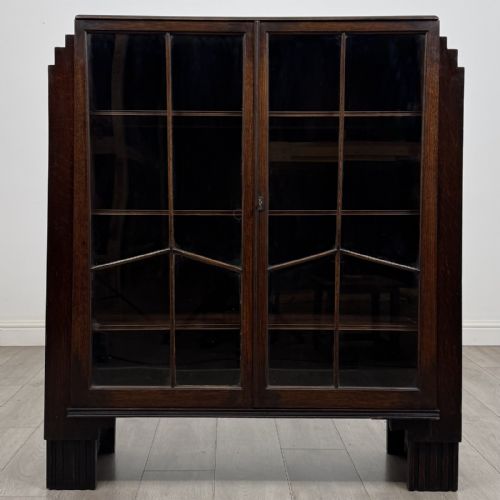
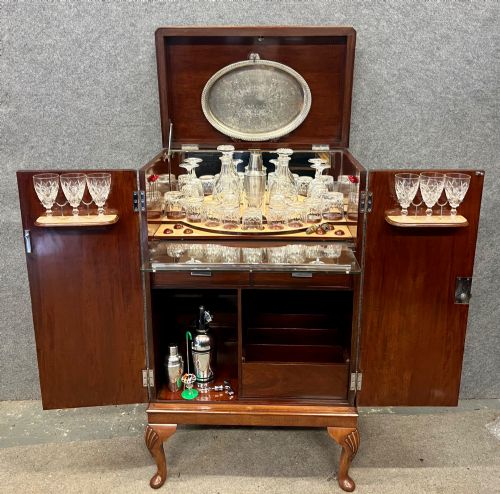
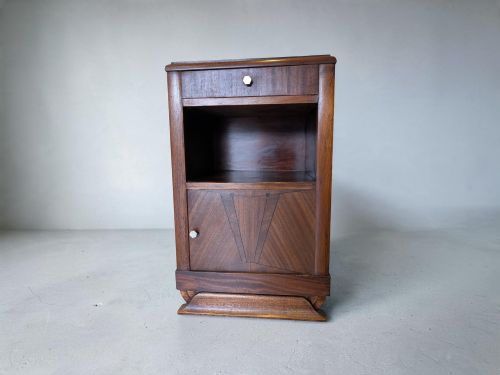
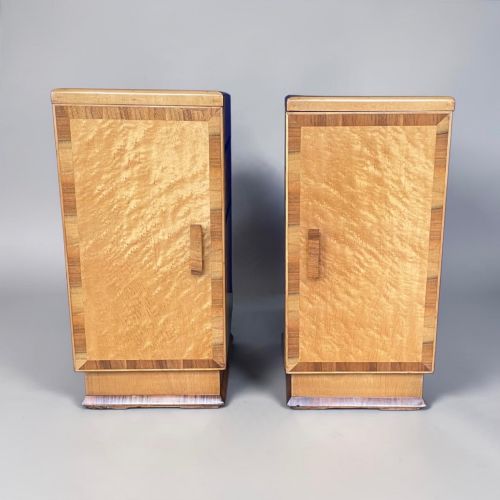
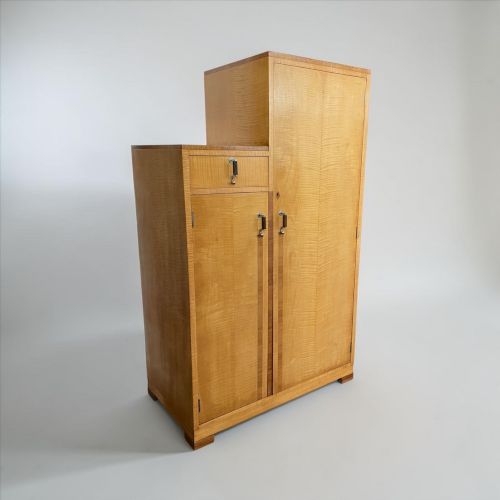
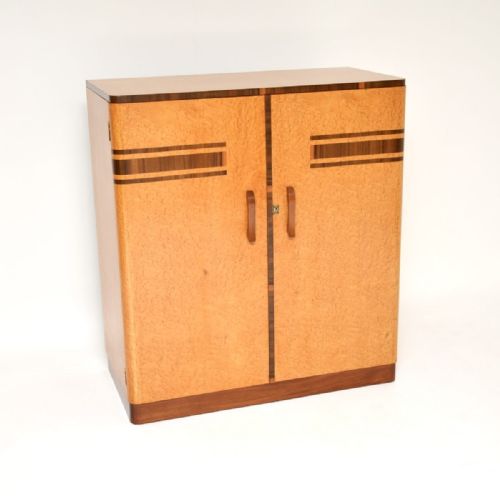
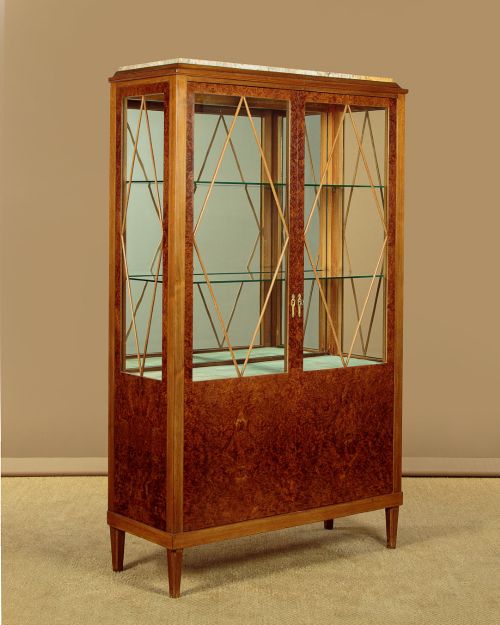
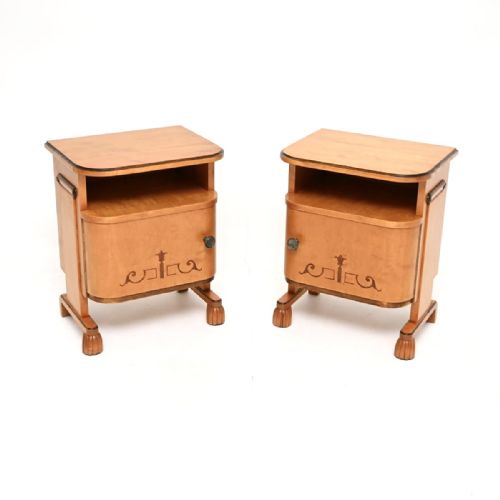
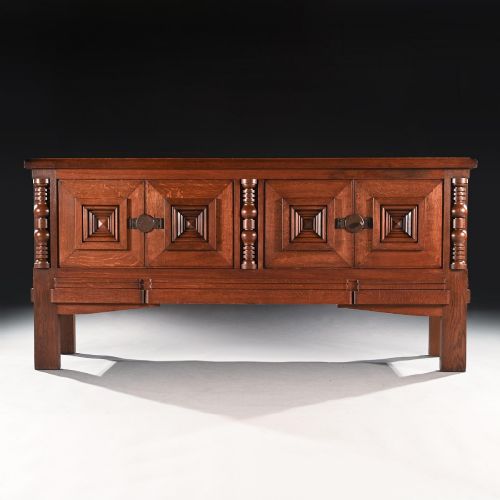
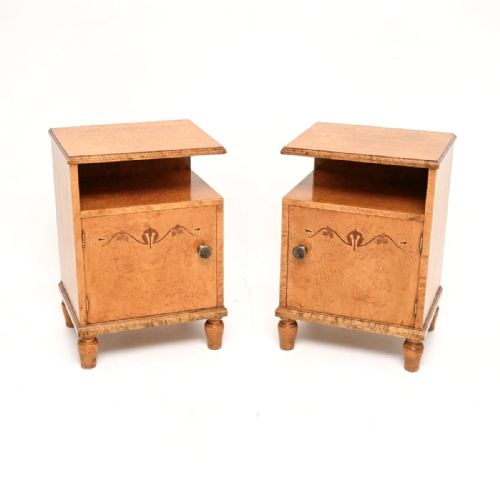
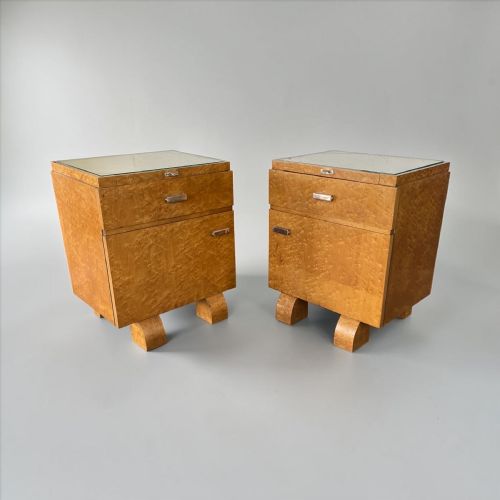
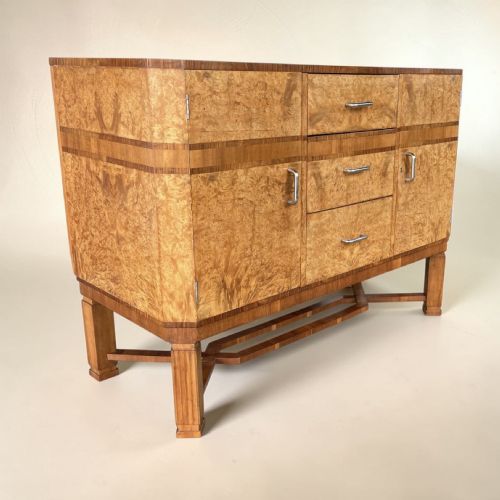
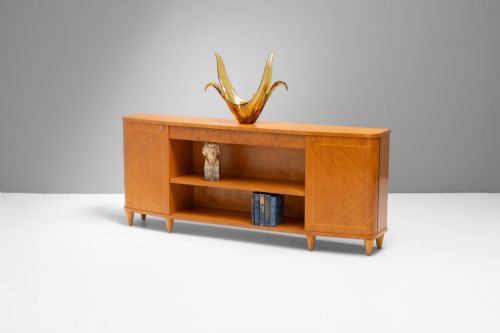
An art deco wood cabinet spans functional forms like bedside tables, cocktail cabinets, sideboards, and wardrobes designed primarily during the 1920s and 1930s. Buyers searching for an art deco wood cabinet encounter diverse expressions ranging from English walnut storage pieces to Swedish Grace interpretations in satin birch.
The most common examples on this page are bedside cabinets and cocktail units, reflecting the period's focus on specialised furniture for the bedroom and entertaining. Sideboards and tallboys also feature regularly, pairing generous internal capacity with the characteristic stepped profiles and clean lines of the style.
Materials and construction methods
Cabinet makers utilised a rich palette of decorative veneers including burr walnut, bird's-eye maple, amboyna, and satin birch applied over sturdy carcases. These striking wood grains were frequently contrasted with metal details in brass or chrome.
Construction relies on precise veneering techniques to display the natural patterns of exotic hardwoods across flat expanses of doors and drawer fronts. Cabinet makers often combined contrasting timbers within a single piece to accentuate geometric panels and architectural silhouettes.
Art Deco Wood Cabinet Retail Price Guide 2026
Typical asking prices for art deco wood cabinet among the pieces listed under this phrase on Sellingantiques today, from the lower quarter to the upper quarter. They describe what is for sale here now, not the wider market.
Materials span walnut, bird's-eye maple, satin birch, and brass across sideboards, wardrobes, and tables.
Assessing quality in period pieces
Quality rests upon the selection and matching of wood veneers, where superior examples display symmetrical figuring and continuous grain across multiple drawers or doors. The integration of secondary materials such as polished brass hardware or chrome trim further distinguishes finer production.
Execution of specialised forms, particularly cocktail cabinets with fitted interior mirrors and pull-down mixing surfaces, separates standard utility furniture from masterwork pieces. Structural integrity in the underlying joinery ensures that heavy veneered doors hang true without sagging.
Charles Dudouyt·Harry and Lou Epstein·Maurice Adams
The Art Deco Wood Cabinet Glossary
- Veneer
- A thin layer of finely figured wood applied over a stable timber base. This technique allowed cabinet makers to showcase expensive decorative grains while preventing warping.
- Compactum
- A large fitted wardrobe combining hanging space, shelves, and internal drawers. It represents a major storage innovation of the period.
- Swedish Grace
- A refined Scandinavian design movement bridging classicism and early modernism. It is noted for restrained elegance and blonde woods.
- Tallboy
- A vertical chest of drawers standing higher than a standard dresser. It offers substantial storage capacity within a compact floor footprint.
Art Deco Wood Cabinet: Frequently Asked Questions
How do I identify an authentic art deco wood cabinet?
Look for characteristic geometric shapes, stepped cornices, and symmetrical veneer patterns typical of the 1920s and 1930s. Original hardware in chrome or brass also helps confirm the period.
Examine the interior construction and timber types to ensure traditional building methods match the era.
What were cocktail cabinets used for?
Cocktail cabinets served as dedicated home bars for entertaining guests during the interwar period. They typically featured mirrored interiors, glass shelves, and pull-down surfaces for mixing drinks.
Lower compartments often provided storage for bottles and glassware.
How should I care for figured wood veneers?
Keep wooden cabinets out of direct sunlight to prevent the decorative veneers from fading or drying out. Dust regularly with a soft, dry cloth and avoid harsh chemical polishes.
Maintaining stable indoor humidity protects the delicate wood grain and prevents veneer lifting.
What is the difference between Swedish Grace and standard art deco?
Swedish Grace is a lighter, more restrained Scandinavian interpretation of modern design that predates full-scale art deco. It frequently utilises blonde timbers like satin birch and maple with subtle carving.
Standard art deco often employs bolder contrasts, darker exotic woods, and more dramatic geometric forms.