


Art Deco Walnut Chest
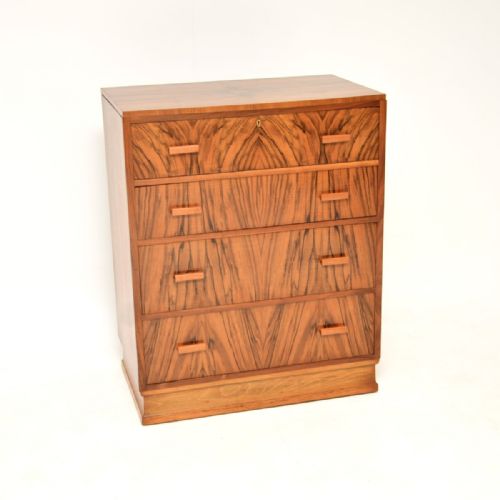
When searching for an art deco walnut chest, buyers encounter striking geometric forms and rich timber grains dating principally from the nineteen thirties.
Art Deco Walnut Chest
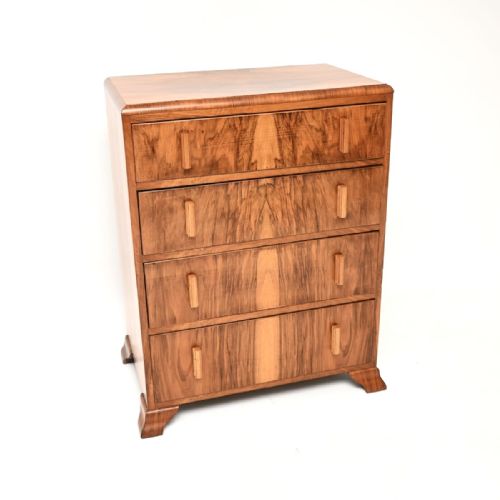
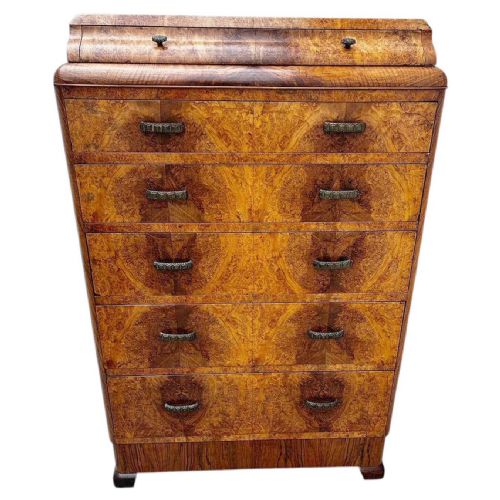
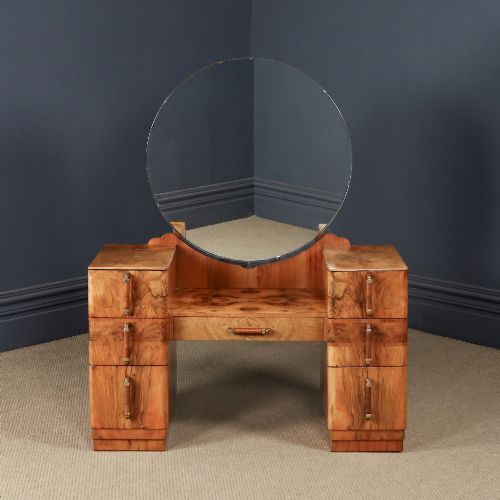
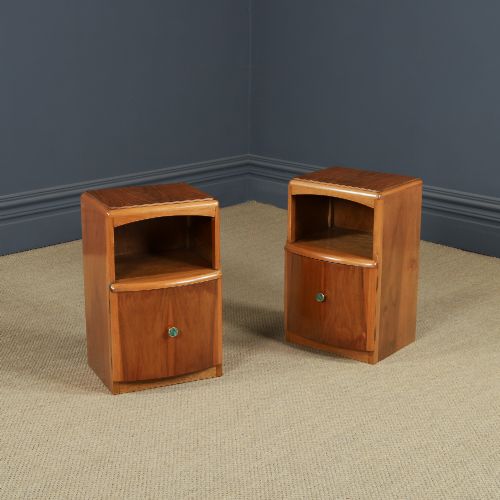
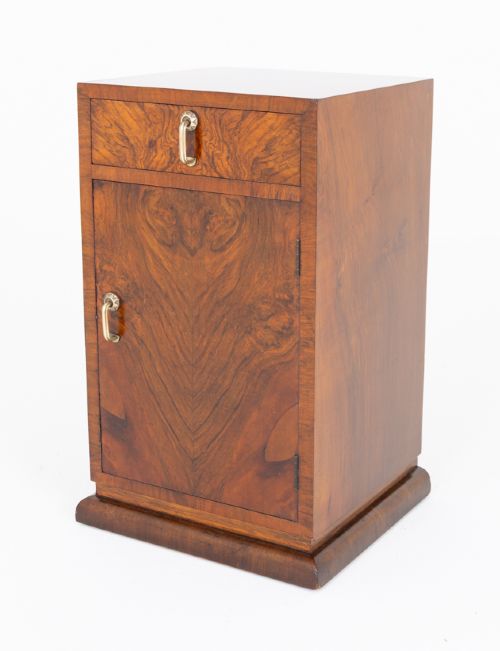
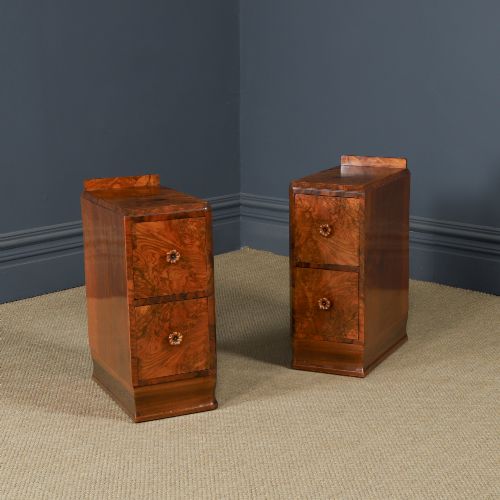
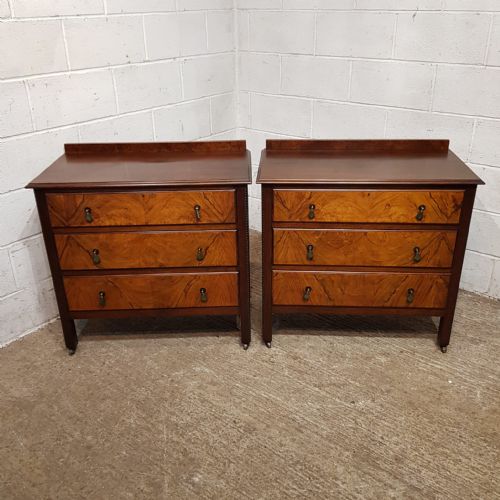
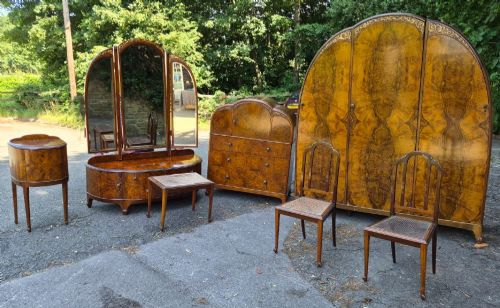
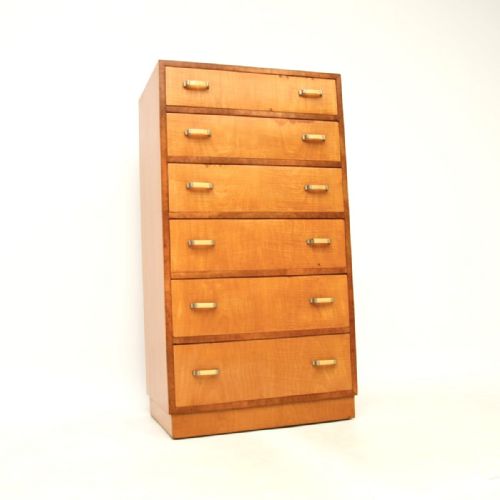
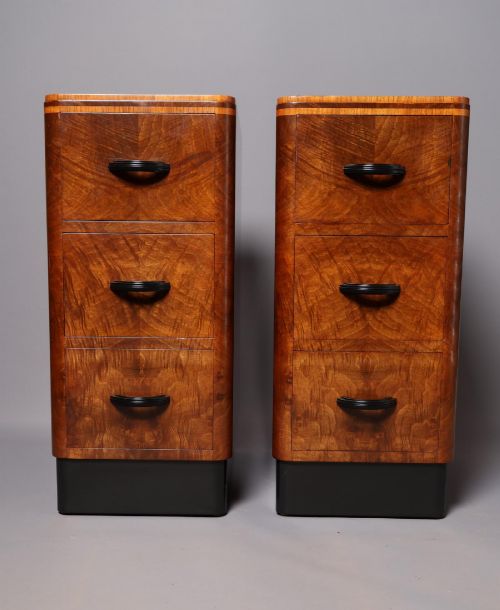
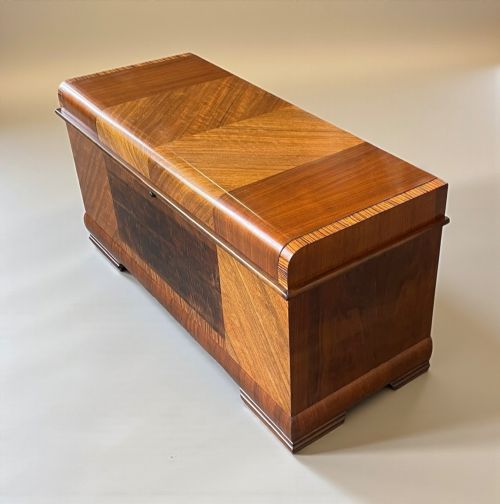
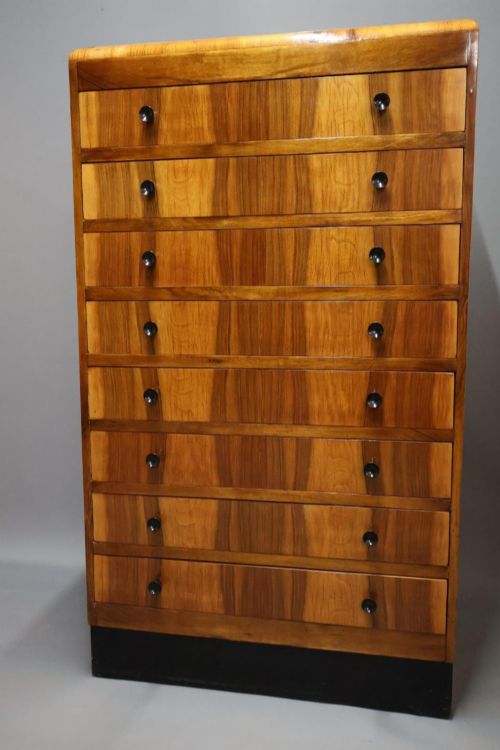
An art deco walnut chest typically manifests as a multi-drawer storage unit, tallboy, dressing table, or bedside cabinet designed during the interwar decades. The version most frequently encountered on this page originates from the nineteen thirties, though examples stretch from nineteen ten through to nineteen fifty.
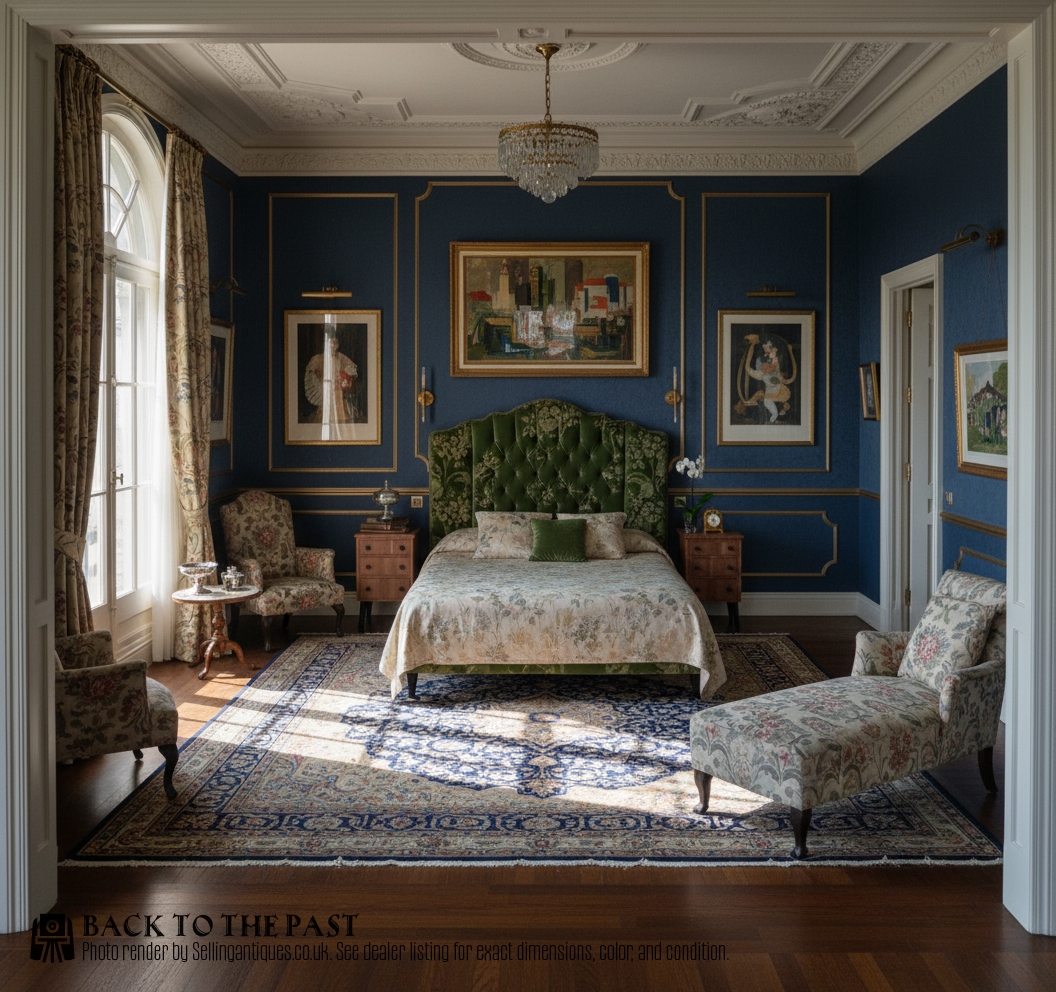
Makers utilised these versatile forms for bedrooms, living spaces, and hallways, pairing generous storage capacity with compact footprints. Alongside standard chests of drawers, buyers will find specialist variants such as cocktail cabinets, metamorphic drinks chests, and pedestal dressing tables equipped with mirrors.
The dominant aesthetic draws upon clean lines and symmetrical drawer arrangements, sometimes inflected with revivalist details from Georgian or Queen Anne periods. English and continental workshops produced the majority of these storage pieces, using high-status timber to catch the eye.
How they were made
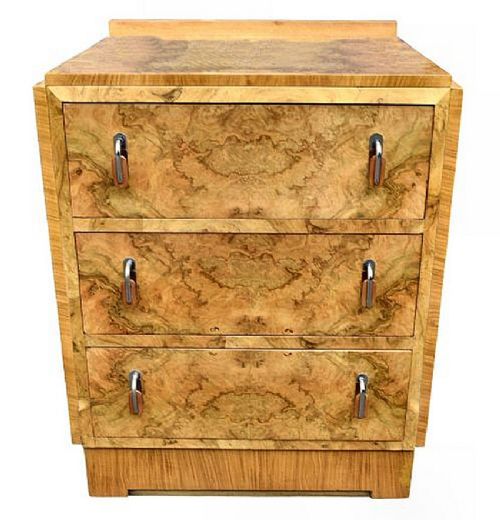
Cabinetmakers constructed carcass frames from sturdy secondary timbers before applying decorative layers of walnut veneer, burr walnut, and figured walnut to exterior surfaces. This technique allowed craftsmen to display swirling, highly figured wood grain patterns across wide drawer fronts and top panels with striking symmetry.
Hardware played a functional and decorative role, with makers incorporating brass, chrome, and occasional moulded bakelite handles and feet. These metal accents provided crisp contrasts to the warm, polished brown tones of the walnut veneer.
Some cocktail chests double as stealthy metamorphic side tables, keeping evening drinks quietly hidden until the party starts.
What varies in quality
Quality in an art deco walnut chest rests heavily upon the selection and bookmatching of the veneer, where top-tier examples display continuous, mirror-image grain patterns across multiple drawers. Lesser pieces rely on plain timber or show careless grain alignment that disrupts the visual rhythm of the facade.
Construction methods also dictate worth, distinguishing standard commercial production from pieces designed by prominent makers or retail houses. Superior pieces demonstrate meticulous internal carpentry, robust drawer linings, and original, uncompromised metal or wooden hardware.
Frank Taylor And Co·Maurice Adams·Betty Joel·Epstein·Heal S·Waring And Gillow·Incorporall
The Art Deco Walnut Chest Glossary
- Burr Walnut
- A specialised veneer harvested from growth excrescences on walnut trees, yielding highly ornamental, swirling patterns prized by cabinetmakers. This material defines the most luxurious interwar bedroom suites and cocktail cabinets.
- Tallboy
- A tall upright chest of drawers, often combining a chest base with a cupboard or upper drawer section. These pieces maximise vertical storage in compact rooms.
- Veneer
- A thin slice of superior wood applied over a stable secondary timber base. This method allows makers to display striking figured grains without exhausting scarce solid lumber.
- Figured Walnut
- Timber exhibiting natural, decorative grain distortions caused by growth anomalies or branching. It creates shimmering, dappled visual effects across large cabinet surfaces.
- Bakelite
- An early synthetic thermosetting plastic utilised for handles, trim, and decorative fittings on mid-century furniture. It offers a smooth, tactile contrast to polished wood surfaces.
Art Deco Walnut Chest: Frequently Asked Questions
How do I identify a nineteen thirties walnut chest?
Look for clean rectilinear proportions combined with figured walnut veneers arranged in symmetrical patterns across the drawer fronts. These pieces often feature streamlined brass or chrome pulls rather than ornate historical handles.
Check the secondary timbers inside the drawers and the overall construction methods to confirm the interwar period. Most authentic examples from this era also exhibit a warm, polished shellac or lacquer finish.
Where should I place a tallboy in my home?
A tallboy provides exceptional vertical storage, making it ideal for bedrooms or dressing rooms with limited floor space. Its height allows it to hold folded garments or linens without dominating the room.
Ensure you position the cabinet away from direct sunlight and strong heat sources to protect the delicate walnut veneer from drying out or fading. Placing it against a secure interior wall also maintains the stability of the tall frame.
What is the difference between a tallboy and a chest of drawers?
A standard chest of drawers is built low for surface display, while a tallboy reaches higher by stacking additional drawers or incorporating an upper cupboard section. This vertical orientation gives tallboys a distinct presence in a room.
Both forms utilise figured walnut or burr walnut veneers, but the tallboy offers greater capacity within a smaller footprint. Buyers should measure ceiling heights and floor space carefully before selecting between the two.
How do I care for a vintage walnut surface?
Dust the wood regularly with a soft, dry cloth to prevent microscopic particles from scratching the polished walnut veneer. Avoid using silicone-based polishes or harsh chemical sprays that can damage the historical finish.
Feed the timber occasionally with a quality beeswax to maintain its lustre and moisture balance. Keeping the furniture in a room with stable humidity levels will prevent the veneer from lifting or cracking.