


Art Deco Vanity Pot
An art deco vanity pot brings dressing table elegance into your hands, holding powders, trinkets and cosmetics with geometric flair.
Art Deco Vanity Pot
When you search for an art deco vanity pot, you encounter an array of dressing table accessories designed to hold powders, rouge, and trinkets. These pieces originate predominantly from the nineteen twenties and nineteen thirties, capturing the streamlined, decorative spirit of the period. Forms range from lidded glass bowls and ceramic powder jars to porcelain half doll boxes.
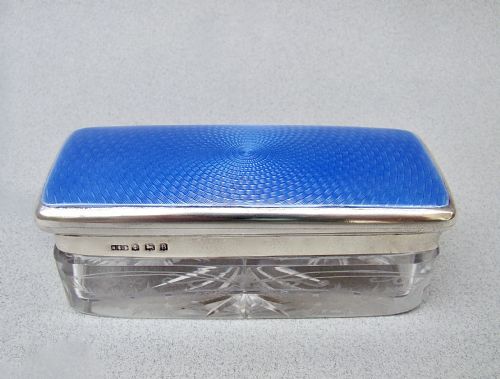
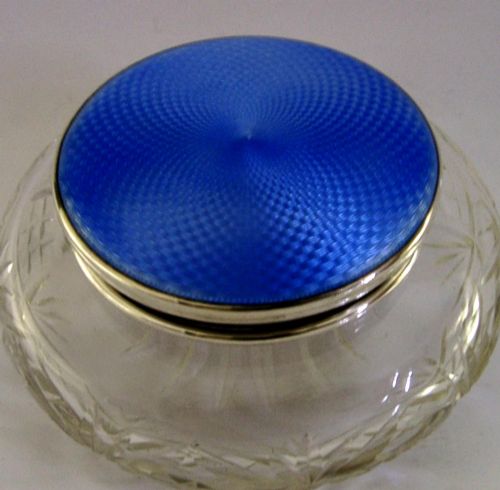
The most common examples on this page combine functional glass or ceramic containers with decorative metal mounts and enamel lids. You will regularly find sterling silver collars paired with cut crystal bases, alongside French and German ceramics moulded into flapper girl and bathing belle figures. They sit neatly on dressing tables, serving both decorative and practical roles.
Materials and construction
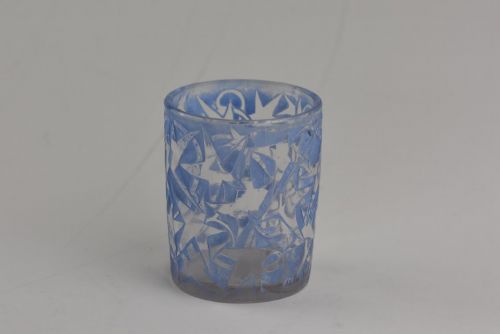
Makers utilised sterling silver, porcelain, glass, and ceramic as the primary structural bodies for these dressing table vessels. Cut glass and crystal bases feature deeply etched or panelled patterns that catch the light, while ceramic and porcelain bowls are shaped into geometric profiles or novelty figural lids.
Lids frequently showcase guilloche enamel work beneath transparent coloured layers, creating radiating engine-turned patterns in shades of blue and pink. Silver mounts and collars bear assay office hallmarks from cities such as Birmingham and London, marking the precise year of assay.
Listings feature items spanning the nineteen tens through to the nineteen fifties, with a strong concentration of nineteen thirties ceramic powder bowls.
Judging the work
Quality rests in the crispness of the glass cutting and the precision of the engine-turning beneath the enamel. Superior silver mounts fit snugly to the glass or ceramic rims without movement or excess solder.
Henry Clifford Davis·Rene Lalique·Limoges
The Art Deco Vanity Pot Glossary
- Guilloche enamel
- A decorative technique where a mechanical lathe etches a precise, intricate pattern into metal before translucent enamel is applied. This creates a shimmering, patterned depth beneath the coloured surface.
- Half doll
- A ceramic or porcelain figurine upper body without legs, originally manufactured to sit atop the fabric skirts of powder brushes, tea cosies, or dressing table powder boxes.
- Sterling silver
- An alloy consisting of silver and other metals, typically copper, standardised for purity at ninety-two and a half percent. Silver mounts on vanity jars bear hallmarks indicating this standard.
- Cut glass
- Glass shaped and patterned by grinding wheels and polishing stones. The resulting facets refract light across vanity jars and dressing table bowls.
- Flapper girl
- A cultural archetype of the nineteen twenties representing modern, stylish young women. These figures frequently appear moulded on the ceramic lids of powder bowls from the period.
Art Deco Vanity Pot: Frequently Asked Questions
What were vanity pots used for?
These vessels held loose face powders, rouge, pins, and small trinkets on private dressing tables. They kept cosmetics contained while adding decorative charm to the room.
Ladies utilised them during daily grooming routines before evening events or outings. Their lidded designs protected delicate contents from dust.
How do I date an enamel jar?
Silver mounts on British pieces carry hallmarks that include assay office symbols and date letters. These stamps reveal the exact year the metal collar was tested and approved.
French and German ceramic pieces rely on factory stamps, style markers, and registration numbers found on the base. Comparing the moulded figural style also helps narrow the decade.
Are these jars fragile?
The glass bases and porcelain lids consist of materials that require careful handling during use and cleaning. Enamel surfaces can chip if struck against hard edges.
Displaying them away from high-traffic surface edges protects the delicate glass facets and painted figures. Gentle dusting preserves the polished silver and coloured glaze.
Where were these pieces made?
Production centred across British silversmithing workshops in Birmingham and London, alongside continental European porcelain factories. French and German potteries produced many of the figural powder bowls.
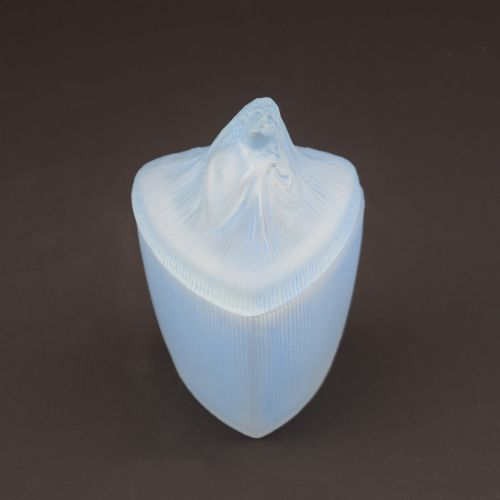
Specialist glasshouses in France contributed moulded crystal boxes and atomizer components. This international output defined the dressing table accessories of the era.