


Vintage Dressing Table Jar
A vintage dressing table jar holds vanity essentials on a bedroom surface, combining practical storage with decorative presence.
Vintage Dressing Table Jar
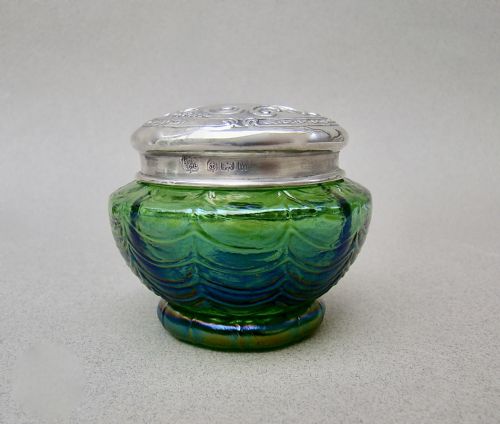
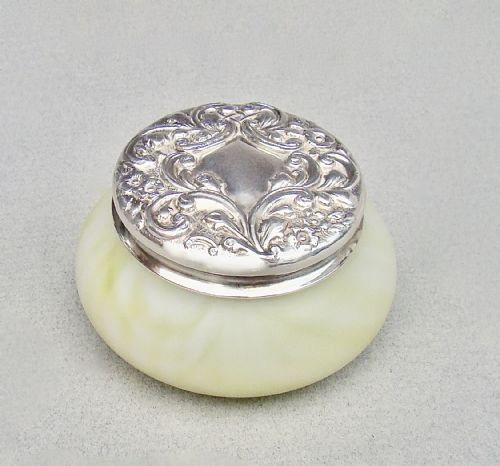
A vintage dressing table jar serves as a container for powders, perfumes, and trinkets, designed to sit atop a vanity or dressing chest. These pieces range from compact scent bottles to larger powder boxes and hinged trinket containers.
The pieces encountered most frequently on this page date from the Edwardian era through to the Art Deco period of the 1930s. They combine utilitarian storage with the decorative tastes of their respective decades.
Forms span glass, porcelain, and ceramic bodies fitted with metal lids, often created as matching components of larger dressing table sets. Collectors find items ranging from simple glass pots to elaborate figural half doll powder boxes.
Materials and construction
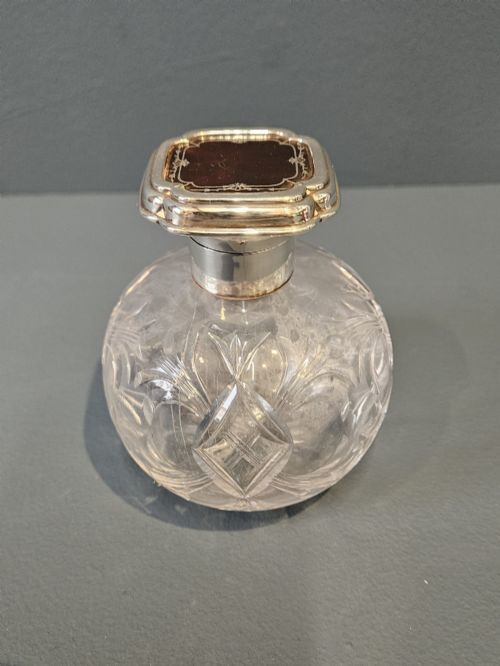
Glass bodies are frequently cut, moulded, or overlaid with coloured details such as cranberry, amethyst, or satin finishes. Cut crystal and pressed glass create faceted surfaces that catch the light on a vanity.
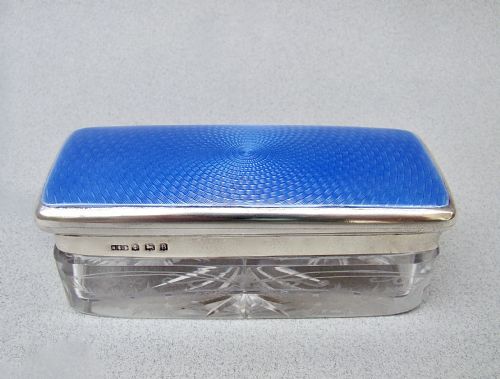
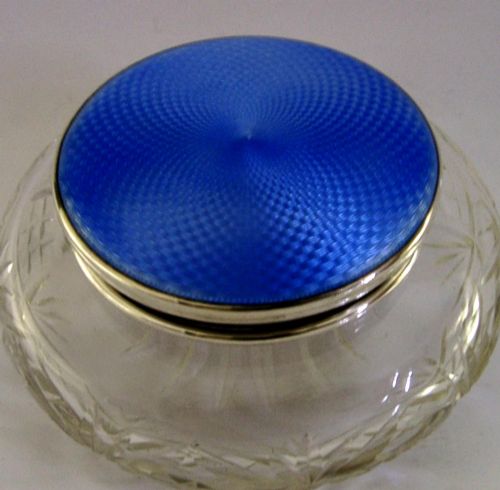
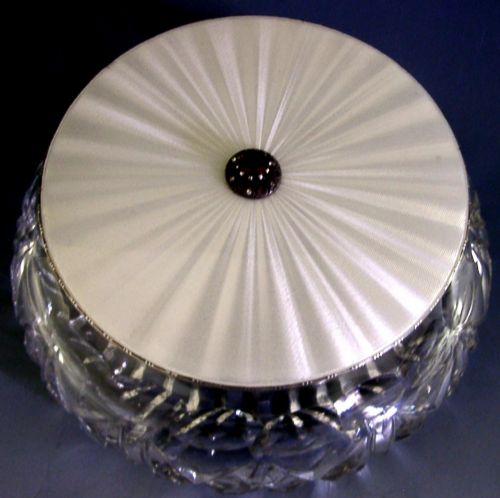
Metal mounts and lids utilise sterling silver, often hallmarked in Birmingham or London, alongside brass hardware on travelling cases. Enamel work, particularly guilloche, adds coloured geometric or floral patterns to silver covers.
Ceramic and porcelain versions employ moulded figures, including half doll flapper designs, serving as lids for powder bowls. Tortoiseshell insets are also integrated into silver-topped glass bottles and boxes.
Vintage Dressing Table Jar Retail Price Guide 2026
Typical asking prices for vintage dressing table jar among the pieces listed under this phrase on Sellingantiques today, from the lower quarter to the upper quarter. They describe what is for sale here now, not the wider market.
Powder puff dolls doubled as charming vanity guards, peering out from dressing tables with painted porcelain curls and flapper hats.
Factors of quality
Quality rests in the weight and clarity of the glass, the crispness of the cutting, and the execution of metalwork. Thick cut crystal or heavy moulded art glass denotes a sturdier vessel than thin, pressed alternatives.
The integration between the glass body and the metal mount determines structural success, with tight, secure silver fittings marking superior production. Intricacy in guilloche enamel work and the preservation of delicate ceramic figures elevate specific examples.
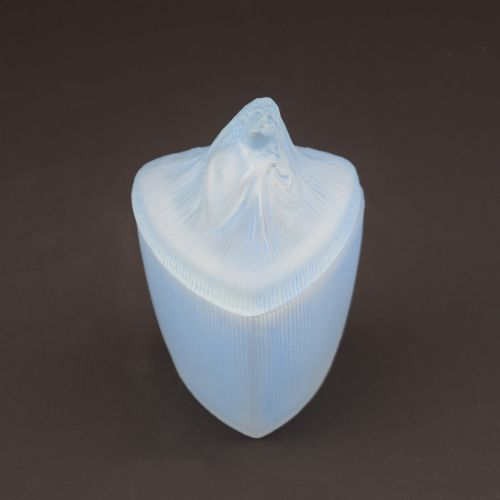
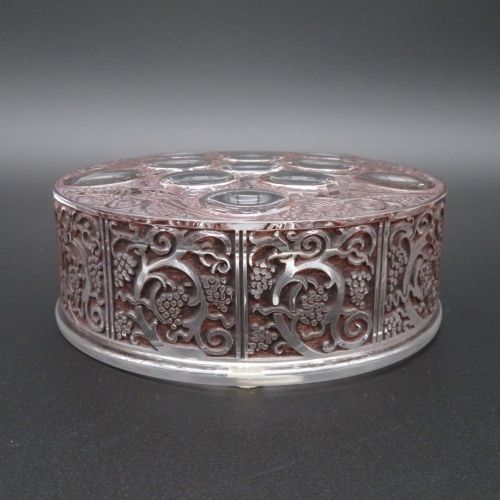
A. J. Pepper & Co·Henry Clifford Davis·A. Bromet & Co·Rene Lalique·Henry Perkins·Hasset & Harper·Posen·Barnsley & Co·Adie Brothers Ltd·Goldsmith's and Silversmith's Co·Fasold & Stuach
The Vintage Dressing Table Jar Glossary
- Guilloche enamel
- A decorative technique where an engraved metal surface is covered with transparent translucent enamel, showing underlying patterns.
- Satin glass
- Glass treated with an acid etch to produce a velvety, dull surface texture rather than a high gloss shine.
- Half doll
- A ceramic figurine modelled from the waist up, frequently used as a decorative lid for powder jars and perfume stands.
- Trinket box
- A small container with a fitted or hinged lid, utilised for holding jewellery, pins, or small vanity accessories.
Vintage Dressing Table Jar: Frequently Asked Questions
What were dressing table jars used for?
These containers held loose face powder, perfumes, colognes, pins, and small pieces of jewellery on a lady's dressing table. They kept daily vanity items neat and protected while adding a decorative element to the room.
Travelling versions were also packed securely inside leather or wooden vanity cases for journeys. Each jar served a specific grooming purpose within a matched or collected set.
How do I identify Art Deco jars?
Art Deco pieces display geometric patterns, stylised floral motifs, and bold colours like blue, pink, or deep red enamel. They often feature machine-turned guilloche engraving on silver lids or take the form of flapper girl ceramic figures.
These designs emerged strongly during the 1920s and 1930s, replacing the softer, more flowing lines of the preceding Edwardian and Art Nouveau periods.
How do I care for silver and glass jars?
Silver mounts require gentle cleaning with a soft cloth to maintain their shine without abrading the surrounding glass or enamel. Avoid submerging items with glued components or tortoiseshell insets in liquid.
Glass bodies can be washed in warm, soapy water and dried thoroughly. Storing them away from direct sunlight protects coloured enamels from fading.
What is a half doll powder box?
A half doll powder box consists of a ceramic or porcelain bowl topped with a half-figure of a woman, frequently styled as a 1920s flapper. The skirt of the figure drapes down to form the lid or sits atop a powder puff stand.
These whimsical objects were popular dressing table accessories across Europe, particularly in France, Germany, and Austria during the interwar years.