
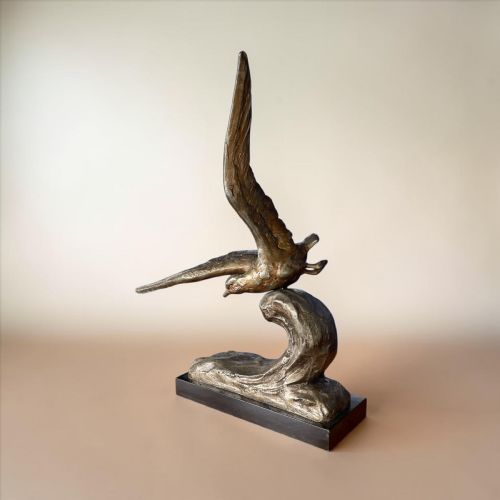



Art Deco Table Ornament
An art deco table ornament brings the sharp geometry and kinetic energy of the interwar years straight onto a sideboard or desk.
Art Deco Table Ornament
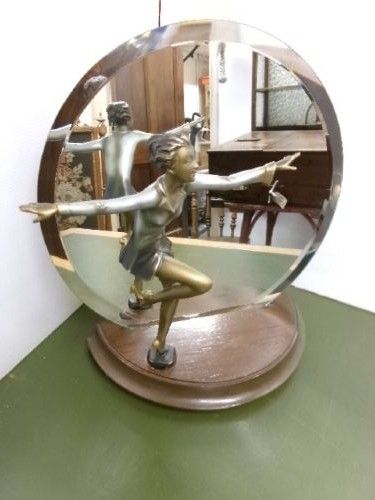
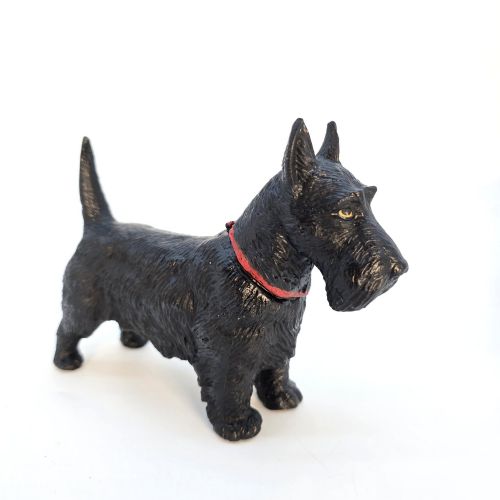
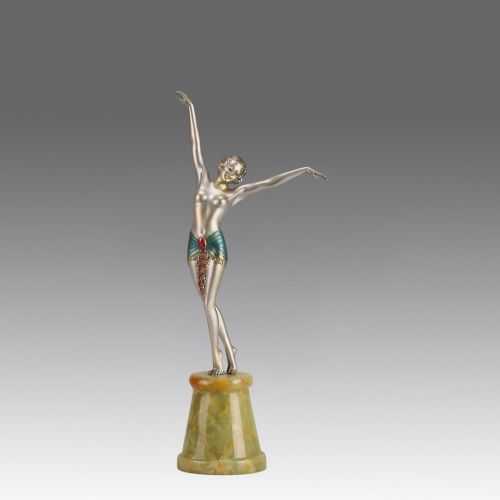
When you search for an art deco table ornament, you encounter small-scale bronzes, spelter figures, and ceramic animals designed to catch the eye in domestic interiors. These pieces range from dancers in motion to stylised birds and dogs, capturing the modernist pulse of the early twentieth century.
The versions you meet most frequently on this page date from the nineteen-twenties and nineteen-thirties, often combining cast metals with heavy stone bases. French studios and Austrian workshops dominate the selection, favouring human figures and natural forms rendered with stylised restraint.
Beyond pure sculpture, the category encompasses decorative utility items such as table lighters, powder puff stands, and hat pin holders. These functional pieces merge daily utility with the sleek aesthetic of maritime and modernist design.
Materials and methods
Foundry work relied heavily on bronze and spelter, a zinc alloy that accepted cold-painted finishes and metallic patination readily. Artisans mounted these metal castings onto polished bases of marble, onyx, or alabaster to give the compact sculptures adequate weight and contrast.
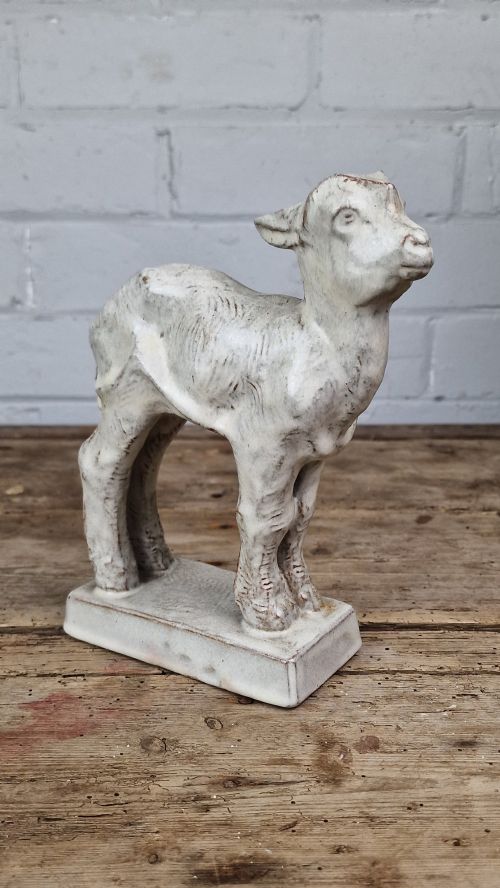
Ceramic and terracotta pieces emerged from factory kilns where modellers applied colourful glazes or hand-painted details directly onto the fired clay. Wood carving and brass inlay also appeared in select animal models, combining organic warmth with crisp geometric angles.
Art Deco Table Ornament Retail Price Guide 2026
Typical asking prices for art deco table ornament among the pieces listed under this phrase on Sellingantiques today, from the lower quarter to the upper quarter. They describe what is for sale here now, not the wider market.
An adventurous frog prince and a kid goat join an array of dancing ladies on the contemporary mantelpiece.
Evaluating quality and execution
The reputation of the studio or designer elevates certain models, particularly when cold-painting or gilding survives in original condition without heavy rubbing or restoration. Greater artistic ambition shows in the dynamic balance of dancers and the accurate anatomical stylisation of animal figures.
Josef Lorenzl·Laszlo Hoenig·Bruno Zach
The Art Deco Table Ornament Glossary
- Spelter
- A zinc alloy commonly utilised as a less expensive alternative to bronze during the early twentieth century. It accepts paints and patinas well but requires gentle handling due to its brittle nature.
- Cold-painted
- A method where enamel or oil paint is applied to a metal object without subsequent firing in a kiln. This technique allowed for vivid polychrome details on bronzes and spelter figures.
- Onyx
- A banded variety of chalcedony quartz frequently cut into smooth, polished slabs for use as sculptural plinths. Its natural translucence and banding add rich visual depth beneath a metal figure.
- Flapper
- A cultural archetype of the nineteen-twenties characterised by modern fashion, bobbed hair, and energetic lifestyle. Sculptors frequently captured this persona in ceramic powder puff stands and metal dancer figures.
Art Deco Table Ornament: Frequently Asked Questions
What materials make up these ornaments?
These decorative objects utilise metals such as bronze, spelter, and chrome alongside ceramic, terracotta, and carved wood. Many pieces incorporate polished stone plinths made from marble, onyx, or alabaster.
These varied substances reflect the experimental manufacturing techniques of the interwar period, combining heavy mineral bases with expressive metal or ceramic figures.
How do I care for cold-painted metal?
Preserving cold-painted surfaces requires dusting gently with a soft dry cloth and keeping pieces away from direct sunlight and moisture. Avoid liquid cleaners or chemical polishes that can lift delicate enamel paints from the underlying metal.
Maintaining a stable indoor climate prevents the metal from expanding and protects the original patination from flaking.
How can I tell the period?
Dating relies on stylistic markers such as stylised geometric drapery, the typical attire of flapper figures, and the specific use of materials like chrome or spelter. Foundry marks, signatures on the base, and manufacturing techniques also provide clear indicators of interwar origin.
Comparing the sculptural posture and base construction helps distinguish genuine nineteen-twenties and thirties pieces from later reproductions.