



Art Deco Standing Figure
An art deco standing figure brings striking form and period character to a room, capturing the distinct aesthetic of the early twentieth century.
Art Deco Standing Figure
When you search for an art deco standing figure, you encounter sculptural works and decorative objects that embody the dynamic style of the twentieth century. These pieces range from bronze studies and ceramic figures to figural lamps, bookends, and desk stands.
You are most likely to meet bronze figures by named sculptors alongside various figural accessories from the nineteen twenties, nineteen thirties, and nineteen forties. The selection also includes larger furniture pieces incorporating stands, cabinets, and tables from the same period.
How they were made
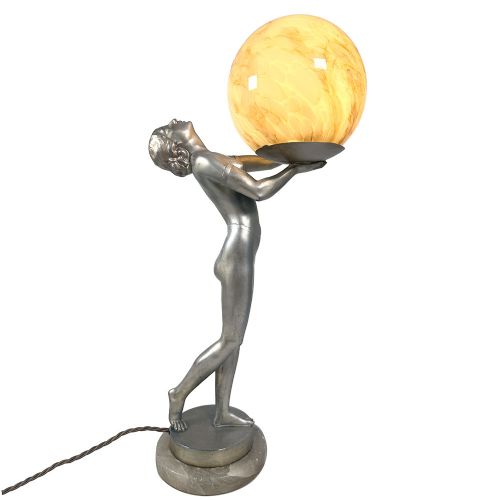
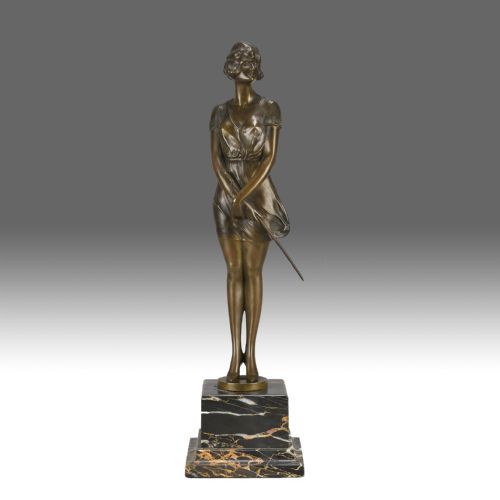
Makers utilised cast bronze, alabaster, ceramic, and silver plating to create these standing figures and their associated bases. Metal components are frequently paired with marble or ebonised wood to provide sturdy foundations for the sculptures.
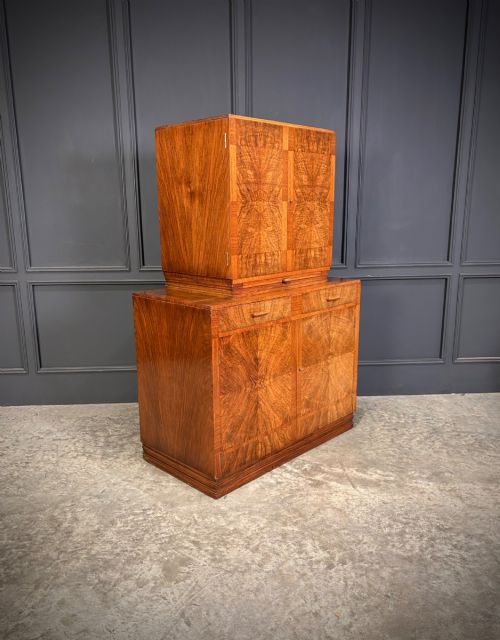
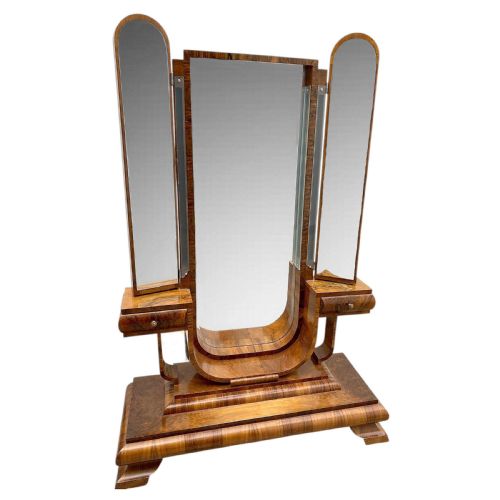
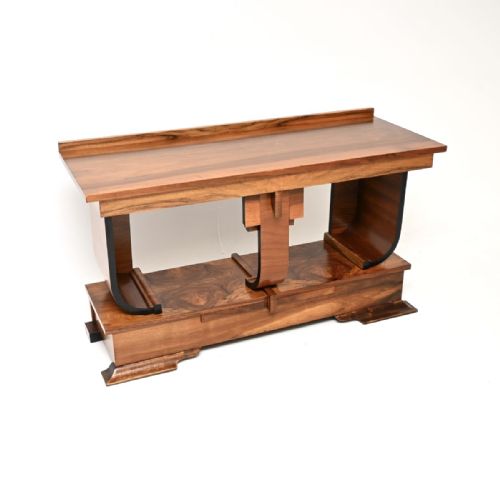
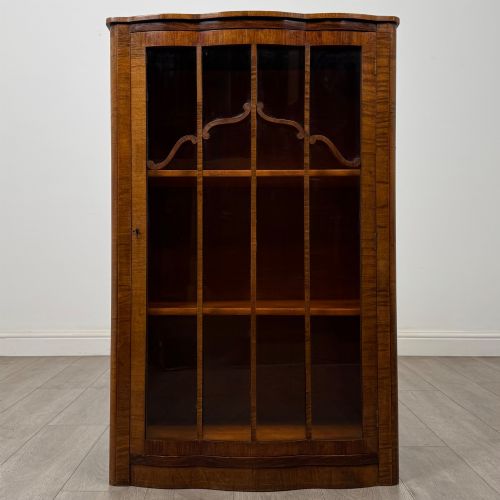
Cabinet makers worked with walnut and figured walnut to construct console tables, display units, and cocktail cabinets on stands. These furniture pieces display natural wood grain patterns characteristic of the period's cabinet work.
Art Deco Standing Figure Retail Price Guide 2026
Typical asking prices for art deco standing figure among the pieces listed under this phrase on Sellingantiques today, from the lower quarter to the upper quarter. They describe what is for sale here now, not the wider market.
Listings feature items in bronze, marble, walnut, glass, and brass spanning from the Edwardian era through the nineteen forties.
What varies in quality
Material selection and combination also dictate the standing of a piece, such as the quality of the marble base or the grain selection in figured walnut furniture. Pieces bearing the signature of a known sculptor or designer command greater attention from collectors.
Bruno Zach·Pierre le Faguays·Bohumil Rezl·Gustav Adolf Daumiller
The Art Deco Standing Figure Glossary
- Art Deco
- A design style spanning the nineteen twenties and nineteen thirties characterised by sleek lines, geometric shapes, and stylised representations of the human form.
- Console Table
- A table designed to stand against a wall, frequently featuring a narrow top supported by legs or a pedestal base.
- Cocktail Cabinet
- A dedicated piece of furniture for storing drinks and glassware, often elevated on a stand and fitted with drop-down serving surfaces.
- Powder Puff Stand
- A vanity accessory designed to hold cosmetic puffs, often taking a figural ceramic form during the period.
Art Deco Standing Figure: Frequently Asked Questions
What is an art deco standing figure?
An art deco standing figure is a sculptural or decorative representation of a person created in the distinct style of the early twentieth century. These works capture the energetic spirit and stylistic hallmarks of the period.
They appear in various forms including standalone bronze casts, ceramic vanity accessories, and figural elements integrated into lamps and bookends.
How do I date an art deco figure?
Dating these figures involves examining the materials, construction methods, and stylistic cues characteristic of the nineteen tens through the nineteen forties. Signatures, foundry marks, and registration numbers also help establish a timeline.
Comparing the base materials, such as marble or ebonised wood, provides further context regarding the decade of manufacture.
Where were these figures placed?
In period interiors, these figures sat upon mantelpieces, desks, console tables, and dedicated display cabinets. They served both as decorative focal points and as functional items like lamps and bookends.
Larger furniture pieces such as console tables and cocktail cabinets on stands provided designated surfaces for displaying smaller sculptural works.
Are all figures made of bronze?
While bronze is a primary material for sculptural figures, the selection also includes examples rendered in ceramic, alabaster, silver plating, and mixed metals. Furniture pieces associated with these figures utilise walnut and figured walnut.
Different materials were chosen depending on whether the piece was a fine art bronze study or a functional decorative accessory.