

Art Deco Platinum Jewellery
Art deco platinum jewellery brings together crisp geometry and durable white metal to form rings, brooches, and pendants that define a distinct era.
Art Deco Platinum Jewellery
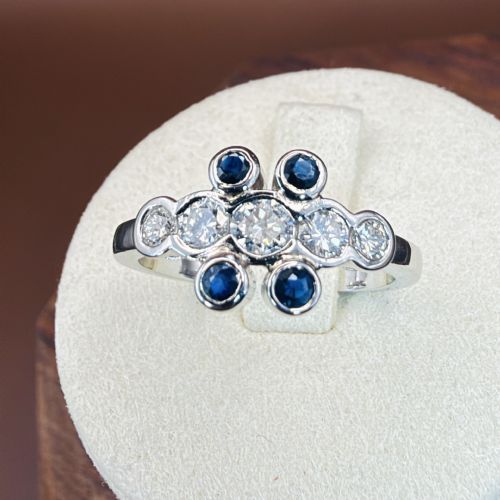
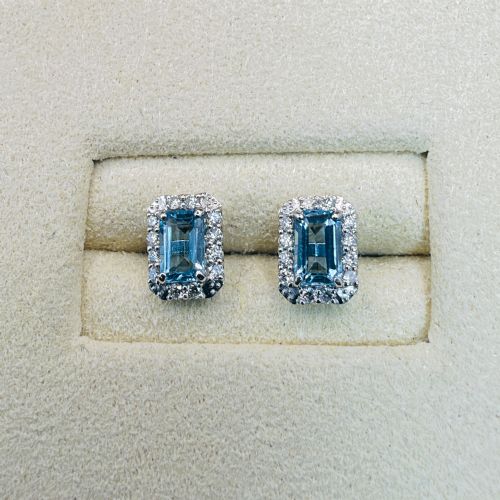
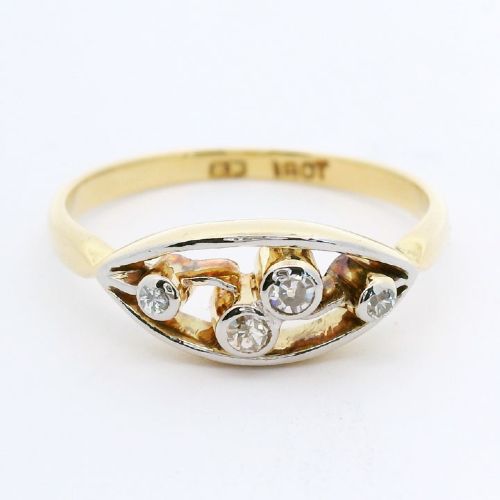
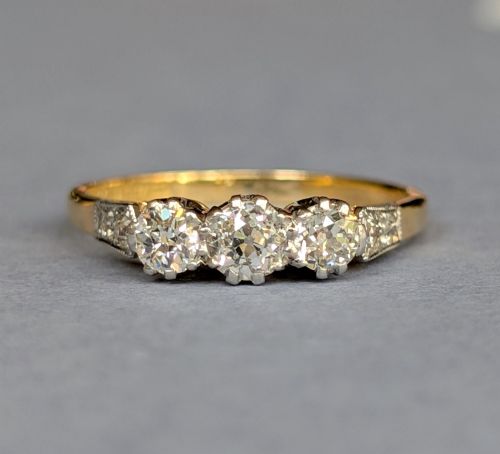
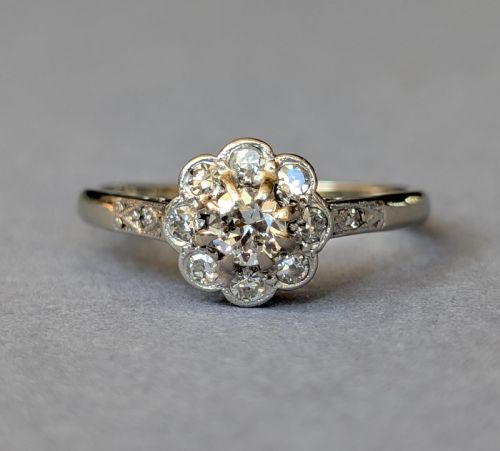
When you search for art deco platinum jewellery, you encounter pieces defined by the geometric lines, stylised motifs, and architectural forms characteristic of the period spanning the 1920s and 1930s. These items range from engagement rings and cluster rings to drop earrings and bar brooches.
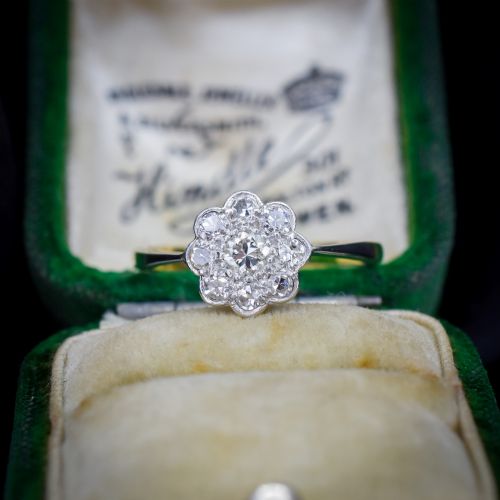
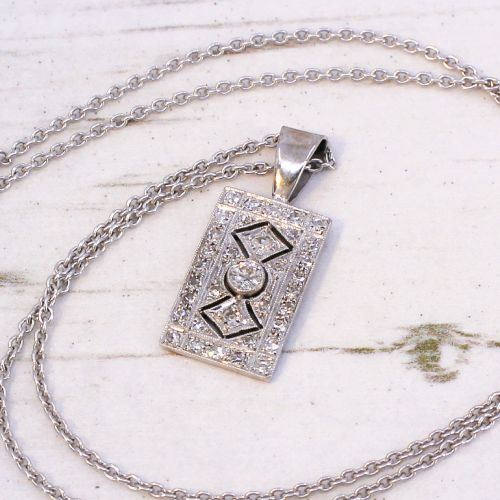
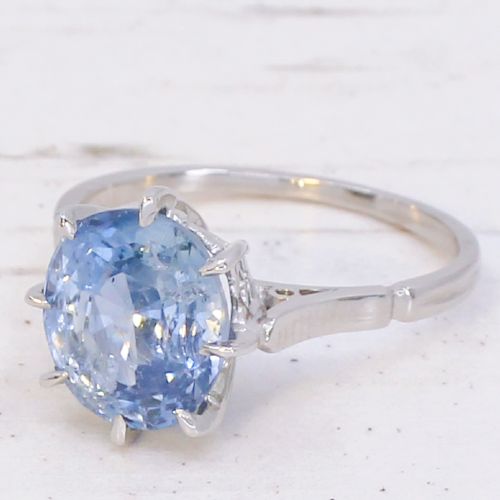
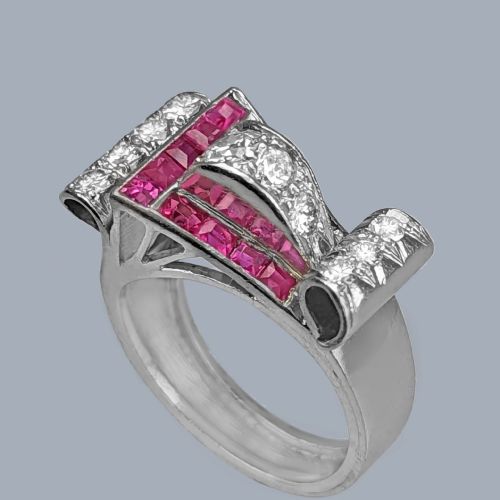
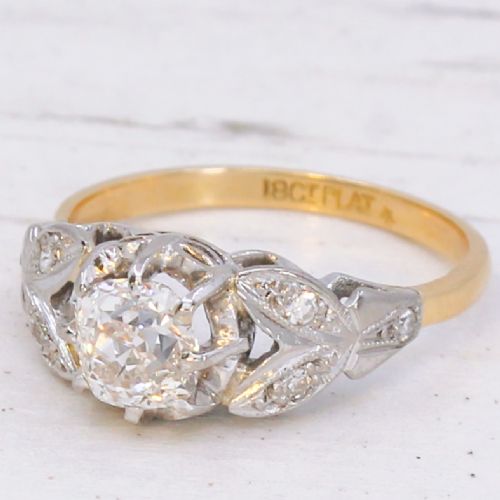
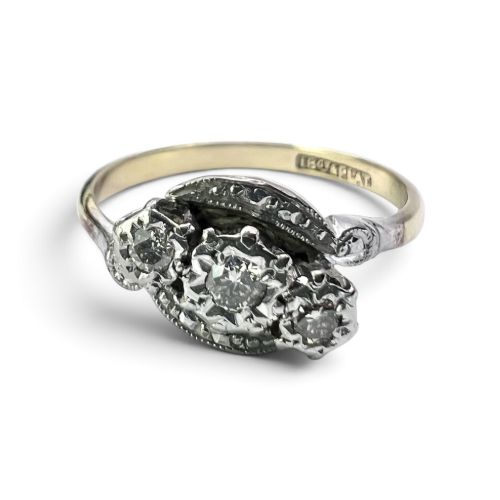
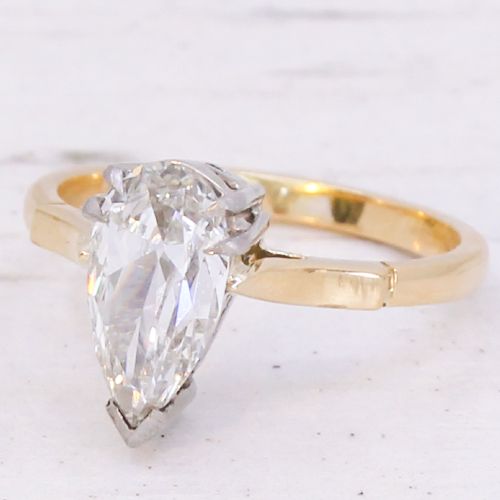
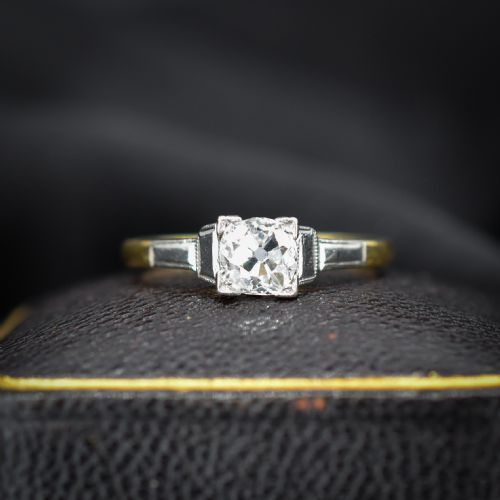
The version most likely to meet you on this page is a ring combining platinum settings with old cut diamonds, sapphires, rubies, or aquamarines, often paired with 18ct yellow gold shanks. Pendants and bar brooches also appear frequently, reflecting the linear aesthetic of the era.
The material palette of these pieces relies heavily on the strength of platinum, which allowed makers to form delicate, lace-like metalwork that securely held diamonds and coloured stones without heavy prongs.
Materials and construction methods
Platinum served as the primary metal for mounting stones because its high tensile strength permitted intricate pierced galleries and knife-edge settings that looked light while remaining robust. Goldsmiths often combined platinum heads with 18ct yellow gold bands, a technique that anchored the bright white metal against a warmer shank.
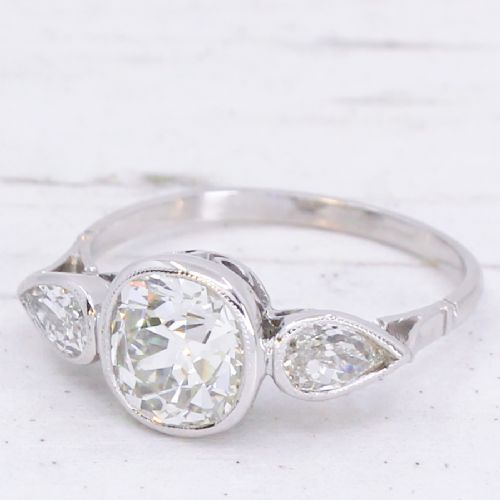
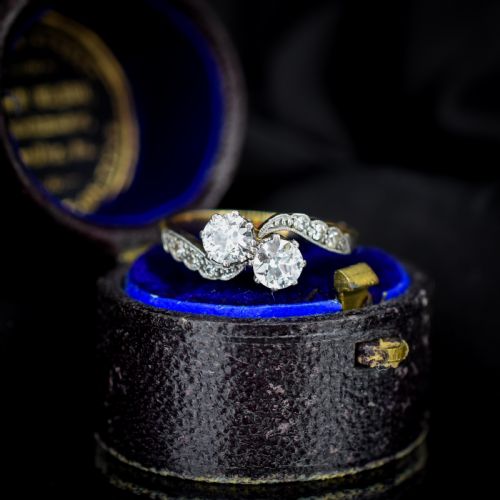
Stones were predominantly shaped by hand, resulting in old European cuts, old cushion cuts, and old pear cuts that display broad facets and distinctive open culets rather than modern machine symmetry. Rubies, sapphires, and aquamarines were selected in deep or vibrant tones to contrast sharply with the surrounding diamonds.
Art Deco Platinum Jewellery Retail Price Guide 2026
Typical asking prices for art deco platinum jewellery among the pieces listed under this phrase on Sellingantiques today, from the lower quarter to the upper quarter. They describe what is for sale here now, not the wider market.
Cluster rings configured like daisies sit alongside geometric bar brooches, ready for a lapel.
Evaluating quality and execution
The distinction between average and exceptional pieces rests upon the precision of the piercing and the symmetry of the hand-cut stones. Superior examples display crisp, uniform geometric openwork in the metal, whereas lesser pieces show uneven spacing and heavy, clumsy solder joints.
Stone selection dictates the upper tier of the range, where unheated sapphires or rubies and well-matched old cut diamonds retain original proportions and high clarity. The integrity of the setting work, particularly where millegrain edging frames the stones, determines how well the piece has survived decades of wear.
The Art Deco Platinum Jewellery Glossary
- Old cut
- A diamond cut by hand before the advent of modern machinery, typically possessing a smaller table, higher crown, and a noticeable open culet at the base. These stones project a softer, warmer candlelit sparkle.
- Millegrain
- A decorative technique involving a row of tiny raised metal beads along the edges of a setting. It softens the transition between metal and stone while adding texture.
- Toi et Moi
- A ring design translating to you and me, featuring two principal gemstones set close together in a twist or parallel arrangement. This form symbolises two souls entwined.
- Trilogy
- A ring style set with three stones in a row, often interpreted to represent the past, present, and future. They frequently pair central diamonds with side stones of sapphire or ruby.
Art Deco Platinum Jewellery: Frequently Asked Questions
How do I care for antique platinum jewellery?
Clean these pieces gently using warm water, mild soap, and a soft brush to remove oils from the stone settings without abrading the metal.
Store each item in a separate fabric pouch to prevent the platinum settings from scratching softer gold shanks or adjacent gems.
Can these rings be resized easily?
Most rings featuring a platinum top and a gold shank can be altered by a skilled jeweller who understands how to work with mixed metals.
Intricate pierced gallery work along the shoulders requires careful handling to preserve the geometric patterns during adjustment.
Why is platinum combined with yellow gold?
Jewelllers frequently mounted diamonds in platinum to reflect a bright white light, while using yellow gold for the lower shank to provide structural warmth.
This two-tone construction reflects transitional periods in manufacturing when platinum was conserved or paired with existing gold stock.