



Art Deco Pedestals
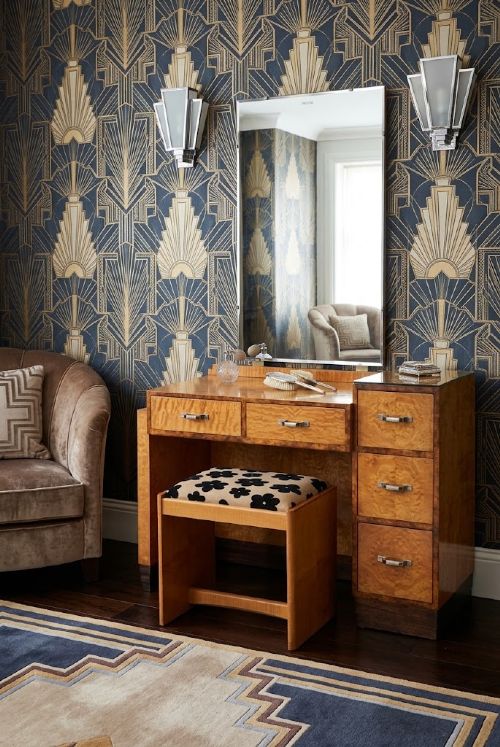
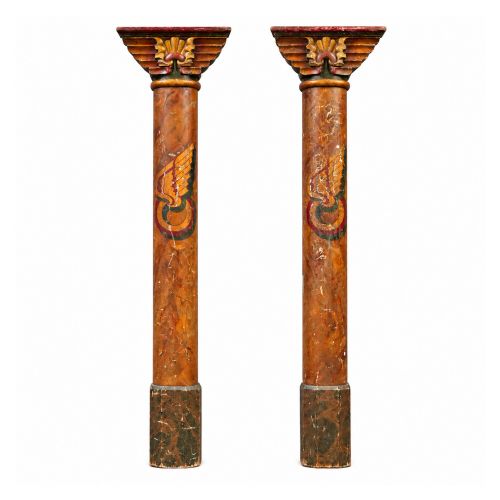
Art deco pedestals bring structured, geometric lines into a room, using rich veneers and striking woods to hold lamps, displays or desks.
Art Deco Pedestals
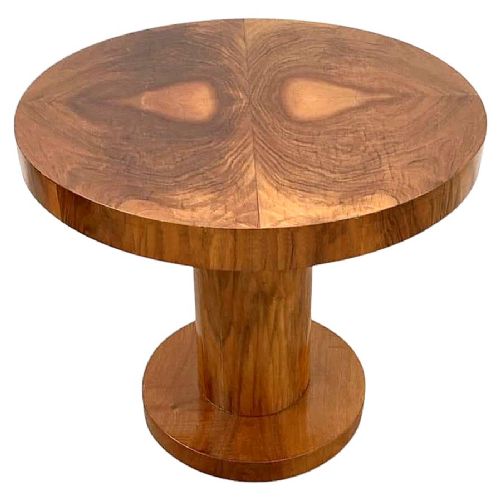
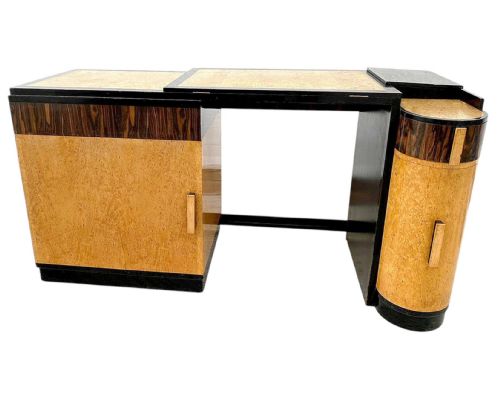
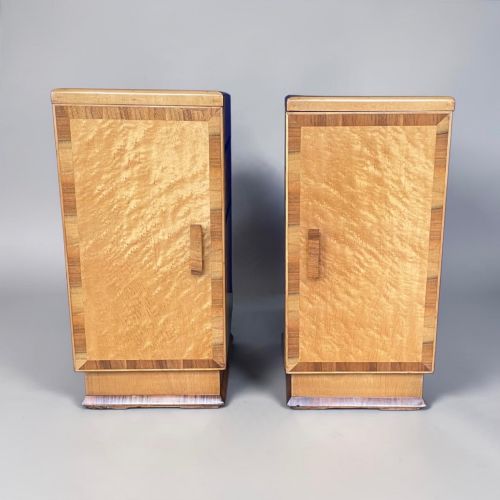
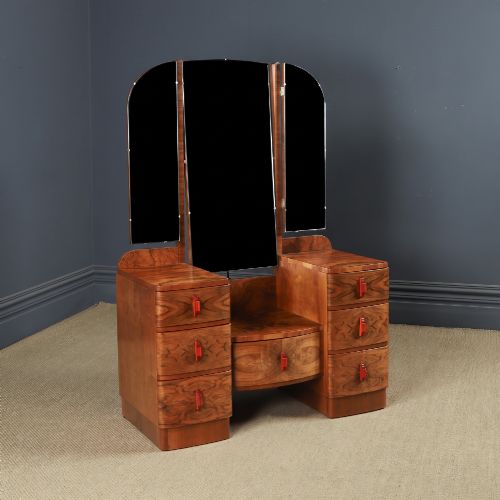
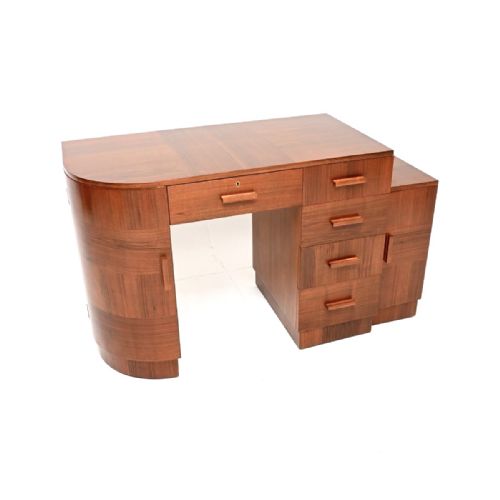
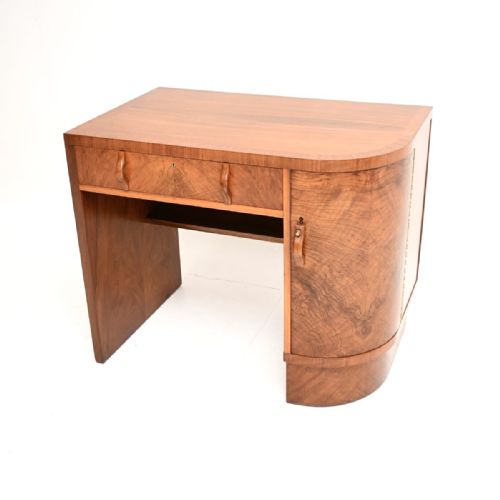
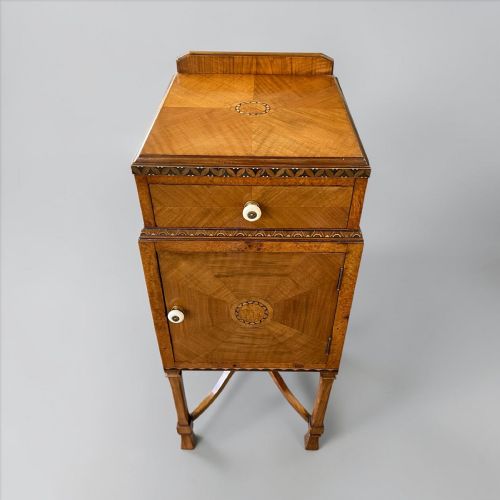
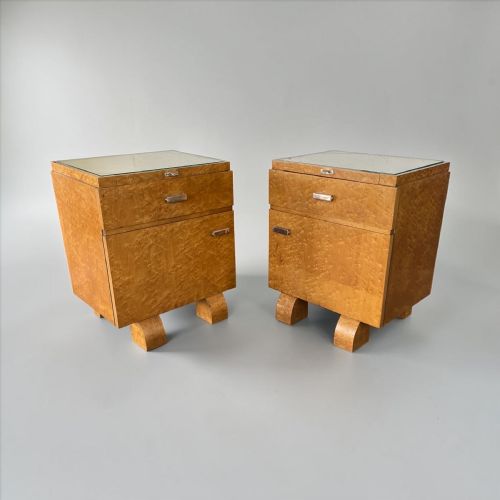
When searching for art deco pedestals, buyers encounter items built primarily during the nineteen-thirties, alongside pieces from adjacent decades like the nineteen-twenties and nineteen-forties. These include office desks, bedside cabinets, dressing tables, and occasional tables that utilise pedestal supports or twin-pedestal configurations.
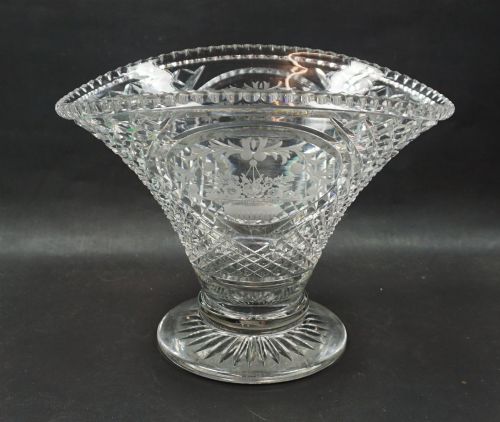
The selection ranges from English and French designs to Italian and Scandinavian pieces. Many examples incorporate glass, chrome, and brass details alongside substantial timber frameworks.
Materials and construction
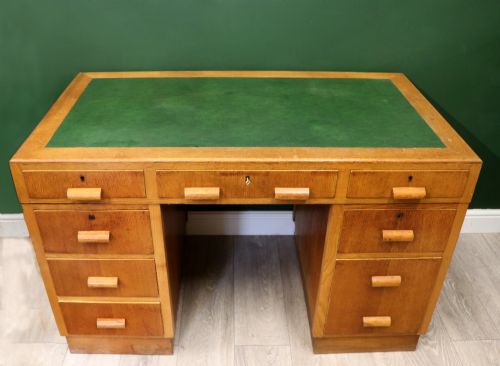
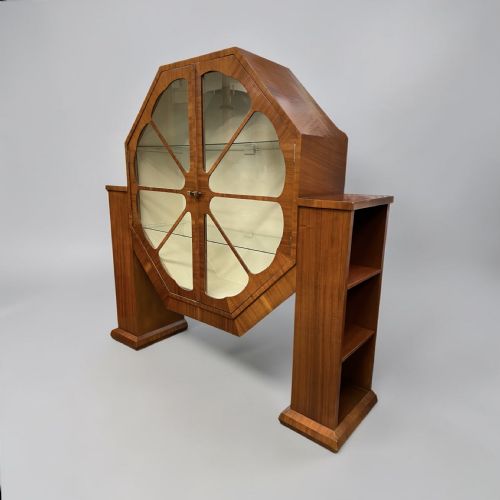
Cabinet makers constructed these pieces using solid woods and elaborate veneers, frequently applying burr walnut, burr maple, mahogany, satinwood, and oak over sturdy carcasses. Leather inserts appear on writing surfaces, whilst glass panels and skyscraper forms provide distinct architectural silhouettes.
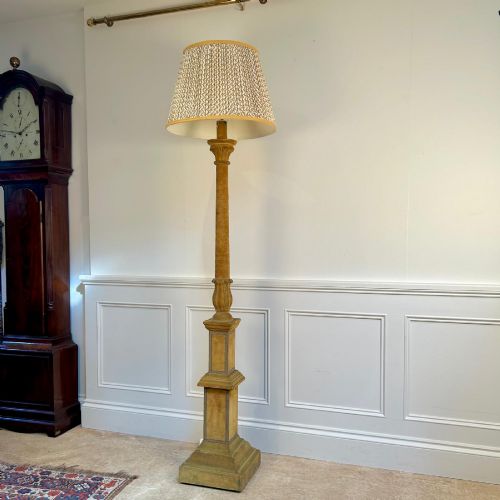
Metal elements such as chrome and brass provide structural framing, handles, and decorative trim. Secondary materials like ebonised wood and alabaster appear on specialised tables and lighting elements associated with the period.
Art Deco Pedestals Retail Price Guide 2026
Typical asking prices for art deco pedestals among the pieces listed under this phrase on Sellingantiques today, from the lower quarter to the upper quarter. They describe what is for sale here now, not the wider market.
Listings span the periods nineteen-ten to nineteen-forty, featuring walnut, glass, brass, burr walnut, wood, leather, chrome, and oak.
Distinctions in quality
Quality rests upon the selection and matching of wood veneers, particularly burr walnut and burr maple, where symmetrical grain patterns define the visual impact of the surface. Finer examples display meticulous joinery on curved drawers, pedestals, and skyscraper tiers.
The integration of secondary materials like inset leather writing panels, cast bronze details, and quality glass elements separates standard utility pieces from more ambitious cabinet work.
Walter Carter Harrods·Harry and Lou Epstein·Heal's·Betty Joel
The Art Deco Pedestals Glossary
- Burr walnut
- A wood veneer taken from the wart or burl growth on a walnut tree, yielding swirling, highly figured grain patterns. It forms the primary decorative surface on many high-end desks and cabinets.
- Skyscraper
- An architectural form characterised by stepped tiers and vertical setbacks, mimicking modern city architecture. This silhouette heavily influences the design of pedestals and office desks.
- Pedestal desk
- A large writing table supported by two upright banks of drawers or cupboards beneath the work surface. These units often feature leather-lined tops and matched wood veneers.
- Ebonised
- Wood treated with a chemical stain or black finish to imitate ebony. This technique creates a stark, dark contrast against lighter woods and chrome details.
Art Deco Pedestals: Frequently Asked Questions
What defines art deco style furniture?
These pieces rely on geometric symmetry, streamlined silhouettes, and contrasting veneers such as burr walnut and maple. They reflect the modern industrial influences of the early twentieth century.
Cabinet makers abandoned heavy Victorian carving in favour of clean planes, stepped architectural forms, and polished metal accents like chrome and brass.
What woods were used in these pieces?
Walnut and burr walnut dominate the selection, accompanied by mahogany, oak, satinwood, maple, and rosewood. These timbers were chosen for their distinct grain patterns and suitability for high-gloss polishing.
Makers often combined contrasting light and dark woods to accentuate the geometric lines characteristic of the period.
Where were these items made?
The listings show origins spanning England, France, Italy, and Scandinavia. Each region brought distinct regional interpretations to the international art deco aesthetic.
English workshops frequently produced practical office desks and bedside cabinets, whilst French designers experimented with exotic woods and dramatic dressing table shapes.