


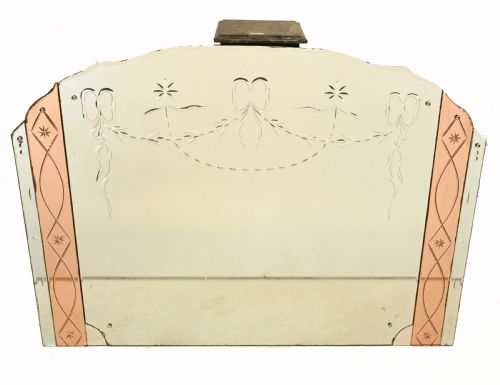

Art Deco Overmantel
An art deco overmantel anchors a room with geometric form and period glass, offering the exact architectural presence a formal fireplace needs.
Art Deco Overmantel
An art deco overmantel serves as a principal focal point above a fireplace, bringing distinct period geometry and presence into a reception room. These architectural pieces stretch horizontally to balance hearths, though vertical and diamond formats also appear in the selection.
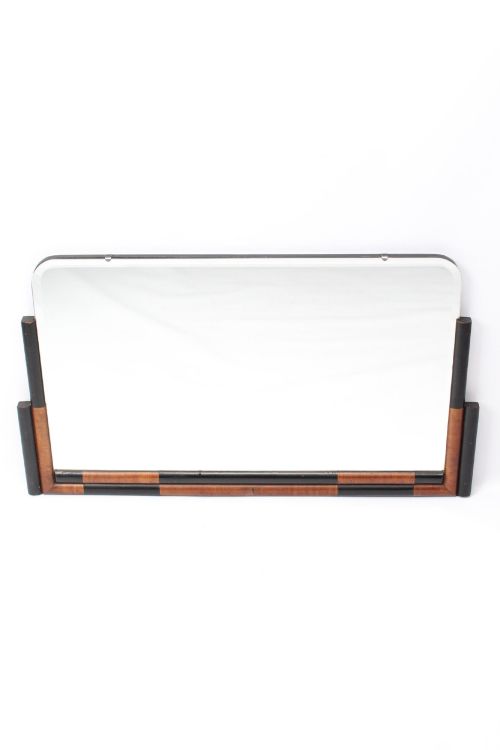
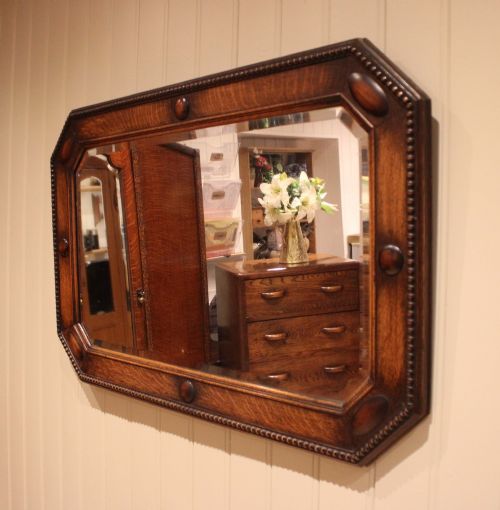
The objects span wall mirrors, overmantel mirrors, and mantle mirrors originating predominantly from the nineteen-twenties and nineteen-thirties. You will frequently encounter rectangular walnut or oak frames alongside specialist tinted glass variations.
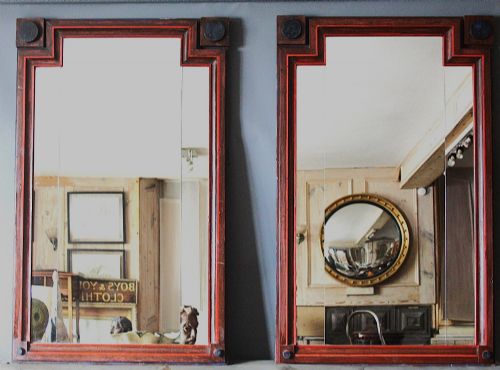
Earlier Edwardianchinoiserie examples from nineteen-hundred sit alongside these later designs, bridging the gap between intricate painted decoration and clean modernist lines. English and French workshops dominate the geographic origins recorded across the pieces.
Materials and construction
Makers utilised solid woods and veneered timbers including walnut and oak to build the substantial foundational frames. Gilt wood and ebonised details frequently accent the primary timber structures, while metal frames offer a lighter industrial alternative.
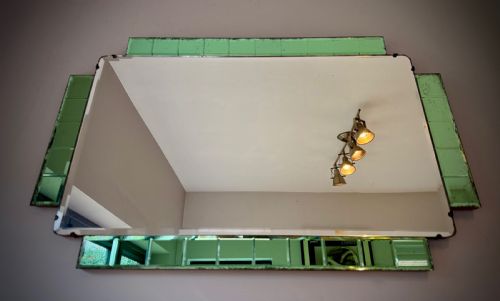
Glass technology of the period allowed for bevelled edges and specialised coloured panels in peach and emerald green. Mirrored glass components were cut into geometric shapes and secured within wooden or metal armatures to create layered visual depth.
Emerald glass panels add a sudden flash of jewel tone to otherwise sober oak.
Judgement of quality
Superior examples demonstrate precision in the mitring of wooden frames and the complexity of multi-panel glass arrangements. The inclusion of scarce tinted glass sections, such as peach or emerald panels, elevates a piece above standard clear mirror designs.
Scale dictates presence, with exceptionally large formats and diamond silhouettes demanding greater joinery skill to remain stable. The crispness of ebonised contrasts and the depth of original gilding further separate standard production from exceptional studio output.
The Art Deco Overmantel Glossary
- Overmantel
- A mirror designed specifically to hang on the wall directly above a mantelpiece. These pieces typically feature extended horizontal proportions to complement the width of the fireplace below.
- Ebonised
- Timber treated with a chemical stain or black finish to imitate ebony. This dark treatment provides a sharp contrast against lighter walnut or oak frame elements.
- Chinoiserie
- European interpretation of Chinese and East Asian artistic traditions, expressed through painted or lacquered decoration. This style appears on earlier Edwardian pieces predating the modernist geometric shift.
- Bevelled
- Glass with an edge that has been ground and polished to an angle thinner than the rest of the pane. This technique catches light and adds a decorative border to the mirror surface.
Art Deco Overmantel: Frequently Asked Questions
How do I hang a heavy overmantel mirror safely?
Substantial frames require heavy-duty fixings secured directly into wall studs or masonry using appropriaterawlplugs and steel brackets. The wide format distributes weight across multiple anchor points to prevent structural strain.
Professional mirror installers use weight-rated wire and D-rings fastened to the structural timber of the frame back rather than relying on decorative trim.
What is an Odeon mirror style?
Odeon designs draw inspiration from the grand cinema architecture of the interwar period, featuring stepped tiers and curved architectural silhouettes. These mirrors often incorporate layered glass panels that project outward from the wall.
The aesthetic prioritises theatrical symmetry and vertical emphasis, making them striking alternatives to standard rectangular formats.
Can I place these mirrors in a hallway?
Narrow hallways benefit from horizontal or vertical wall mirrors because the reflective surface bounces ambient light through confined spaces. The geometric framing adds architectural interest to plain plaster walls without taking up floor space.
Ensure the hanging height aligns with eye level to maximise both the functional reflection and the decorative impact of the frame.
How do I distinguish nineteen-twenties from nineteen-thirties pieces?
Nineteen-twenties designs often retain transitional elements from earlier decorative arts, including gilt wood details and chinoiserie motifs alongside emerging geometric lines. The transition into the nineteen-thirties brought bolder use of peach glass, ebonised contrasts, and strictly streamlined industrial forms.
Examination of the backing boards, fixings, and glass thickness helps confirm the manufacturing era alongside stylistic markers.