


Art Deco Miniature
These art deco miniature pieces condense the bold lines of the interwar years into pocket-sized sculptures, timepieces, and portraits.
Art Deco Miniature
When you search for art deco miniature, you encounter small-scale items spanning the 1910s through the 1940s, including Edwardian examples and Egyptian Revival motifs. The selection encompasses desk timepieces, travel clocks, hand-painted portrait miniatures, small porcelain bowls, and novelty charms.
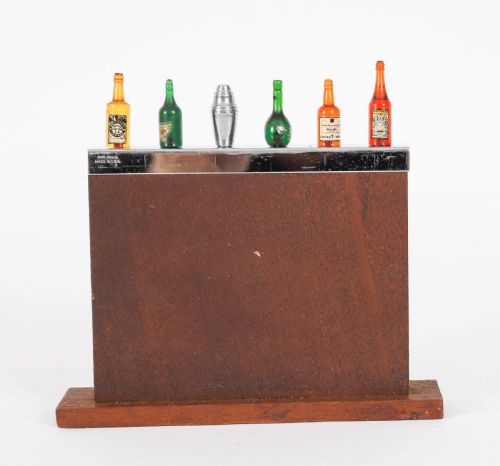
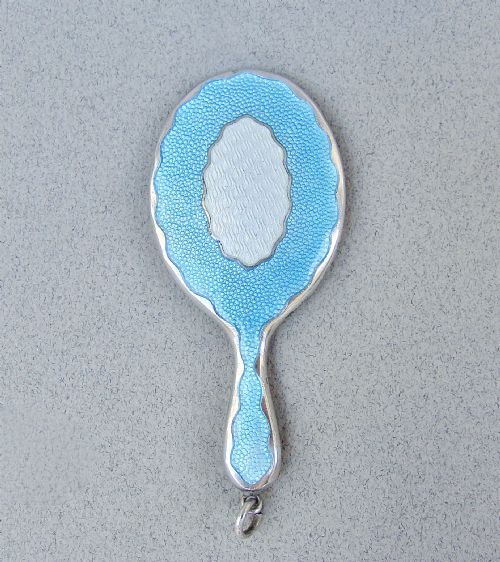
You are most likely to meet functional objects scaled down for travel or dressing tables, such as enamel purse mirrors, cocktail stick sets, and bedside alarm clocks by makers like Jaz and Bayard. These items reflect the compact design priorities of the period without sacrificing decorative detail.
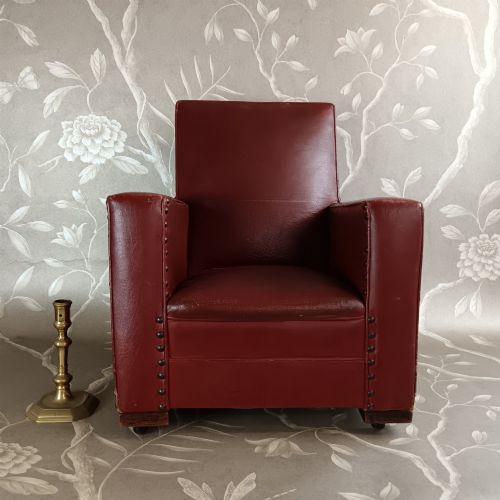
Sculptural forms also appear, ranging from patinated bronze figures of young girls to lampwork glass snakes and miniature leather club chairs. Each piece translates full-sized interior trends into diminutive formats suited for cabinets and mantelpieces.
Materials and Technique
Metal forms rely on silver, brass, chrome, and patinated bronze, often combined with translucent guilloche enamel or champlevé work. Clockmakers utilised brass movements housed in small metal or bakelite cases.
Ceramic and glass examples demonstrate specialised firing and glazing techniques, seen in Wedgwood lustre porcelain, Royal Worcester painted surfaces, and Austrian lampwork glass. Wood pieces utilise oak and leather to replicate full-sized furniture in miniature apprentice scales.
The listings combine timepieces in chrome, silver, and brass with delicate porcelain bowls and hand-painted portrait miniatures.
Material Execution and Handwork
Quality separates in the precision of the hand-applied details, such as the crispness of guilloche enamel patterns and the fine brushwork on hand-painted portrait miniatures. Signed works by established artists demonstrate superior individual execution compared to anonymous factory output.
The integrity of mechanical components, including clock escapements and folding purse mirror hinges, distinguishes robust items from fragile ones. Material selection also dictates standard, with solid silver and hand-painted porcelain sitting above plated metals and mass-produced plastics.
Henry Williamson·H. Chiparus·Susie Lassam·Daisy Makeig-Jones·William Moorcroft·Jaz·Bayard·Royal Worcester·Wedgwood·Jaeger-LeCoultre·UTI Paris
The Art Deco Miniature Glossary
- Guilloche enamel
- Enamel applied over a metal surface that has been engraved with a repetitive mechanical pattern. This technique creates a shimmering, translucent wave effect visible beneath the coloured glass.
- Champlevé
- An enamelling technique where troughs are dug into a metal plate and filled with vitreous enamel powder before firing. The surrounding metal ridges outline the colourful design.
- Lampwork
- A glassworking technique that uses a gas torch to melt rods of glass, which are then shaped with hand tools. Austrian workshops utilised this method to produce delicate miniature animal figures.
- Portrait miniature
- A small-scale painted likeness executed on ivory, vellum, or card. Artists during the 1920s and 1930s captured subjects in contemporary flapper fashions and artistic styles.
- Lustre ware
- Pottery decorated with a metallic glaze that produces an iridescent sheen. Wedgwood pieces from this tradition show rich orange, red, and blue optical effects.
Art Deco Miniature: Frequently Asked Questions
How do I wind a miniature clock?
Most travel and bedside timepieces use a butterfly key or an integrated winder on the backplate. Turn the key gently until you feel resistance, avoiding overtightening to protect the vintage spring.
Ensure you keep the clock on a stable surface away from direct sunlight and moisture to maintain the delicate metal and enamel casing.
Are portrait miniatures hand painted?
Yes, works from this era are executed by hand using watercolour or gouache on card or vellum. Artists sign the margins or corners to verify their authorship.
Protect these pieces from bright light to prevent the pigments from fading over time.
What is Egyptian Revival?
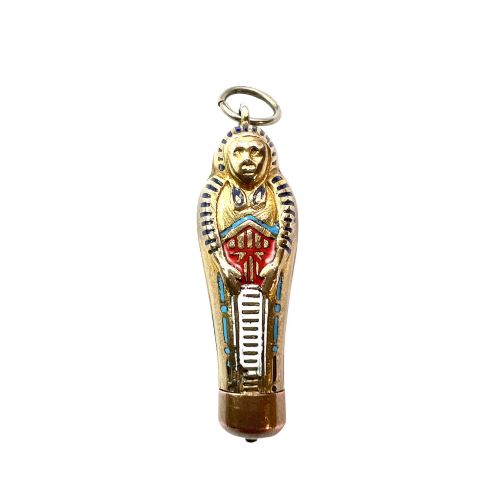
Egyptian Revival describes decorative objects influenced by the excavation of Tutankhamun's tomb in the 1920s. Motifs include pharaohs, scarabs, and sarcophagi rendered in enamel and metal.
These items combine period geometry with ancient iconography, often appearing as pendants or propelling pencils.
How do I clean enamel items?
Dust metal and enamel surfaces with a soft, dry microfibre cloth. Avoid chemical dips, abrasive polishes, or water immersion, which can damage the coloured glass and silver plating.
Store items in low-humidity environments to prevent corrosion of the underlying brass or silver.