


Antique Female Nude
An antique female nude captures the human form through centuries of changing aesthetic ideals in bronze, marble, oil, and paper.
Antique Female Nude
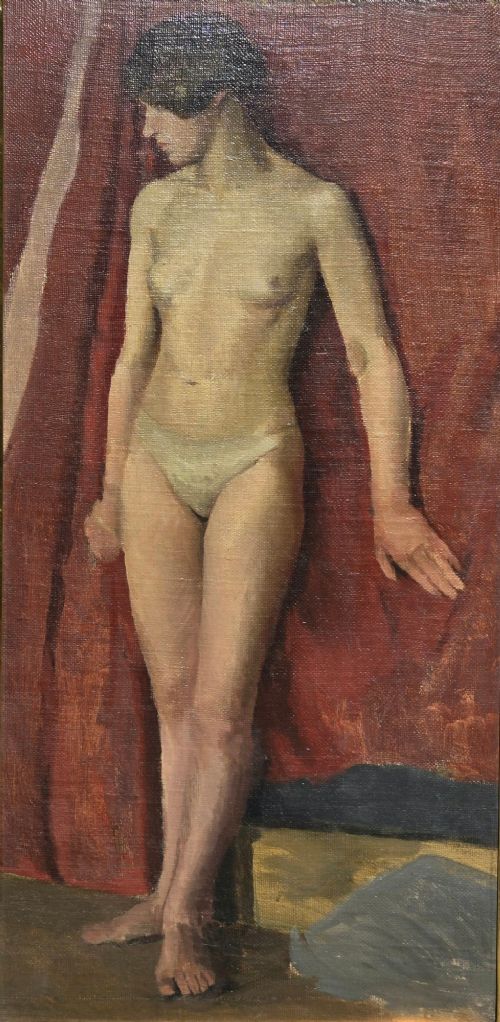
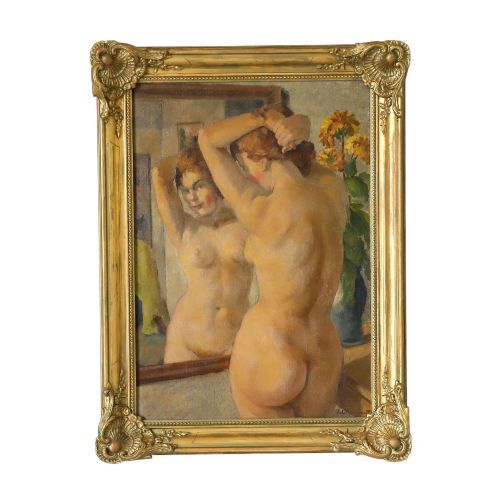
An antique female nude encompasses sculptures, oil paintings, drawings, and photographs produced across the nineteenth and twentieth centuries. These works span academic realism, French academic styles, Art Nouveau, and Art Deco movements. Collectors encounter everything from large gallery bronzes to intimate pencil studies on paper.
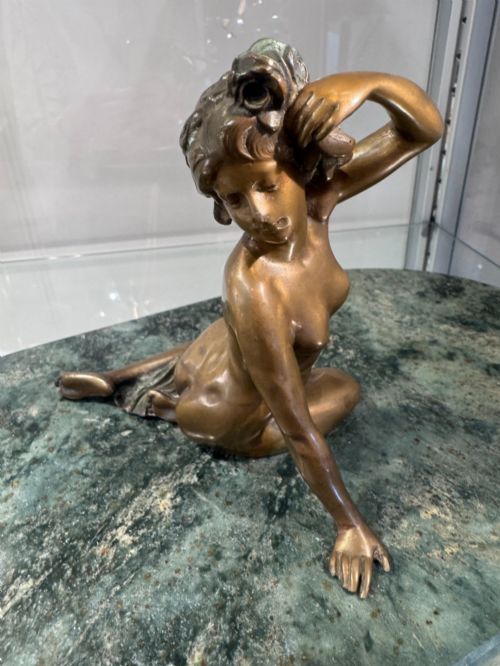
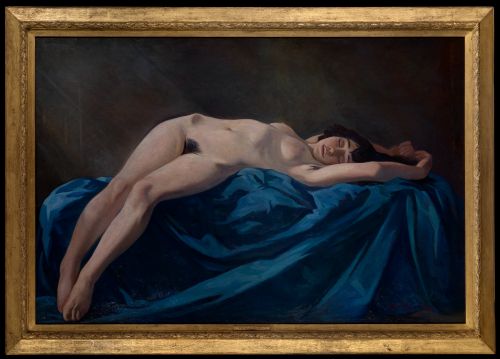
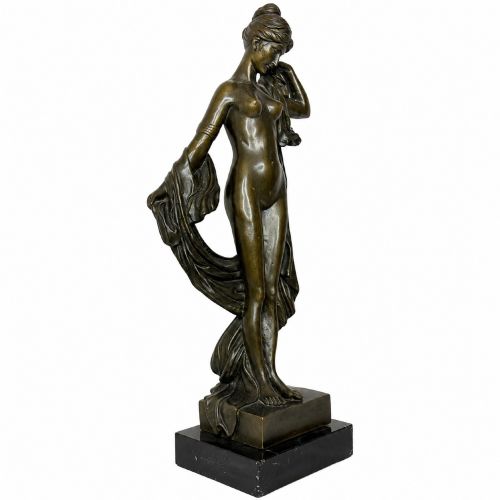
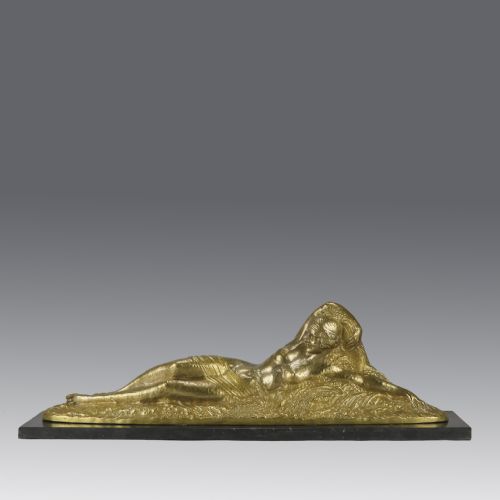
Sculptural representations frequently adopt classical or mythological themes such as Venus or naiads, rendered in bronze, patinated bronze, or carved marble and alabaster. Two-dimensional works range from nineteenth-century oil paintings to early twentieth-century charcoal drawings and hand-tinted photographs. The medium chosen often reflects the prevailing artistic mood of its specific decade.
Pieces originating from French and Austrian workshops appear regularly, alongside British school paintings and drawings. Artists and founders utilised diverse materials to capture the human silhouette, moving from nineteenth-century romanticism toward stylised Art Deco forms by the 1930s.
Materials and techniques
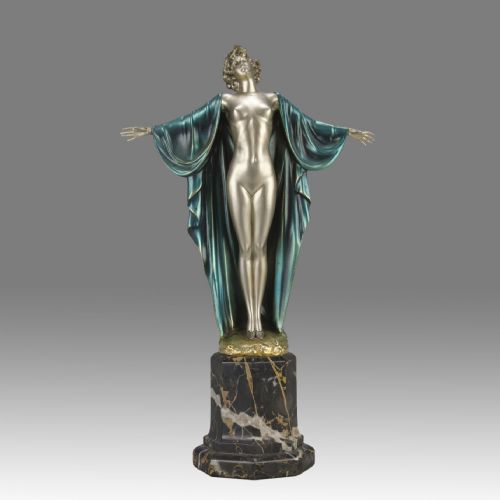
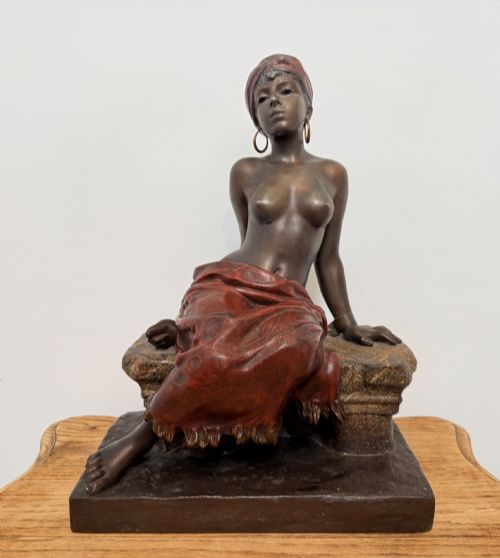
Bronze casting forms a significant portion of the sculptural works, often utilising the lost-wax method to achieve intricate detail. Many bronze figures incorporate cold-painted finishes or gold patination, while others pair metal elements directly with carved marble or onyx bases.
Carved pieces rely on softer stones such as alabaster and marble, allowing artisans to shape smooth contours that emulate human skin. Glass figurines from the period utilise opalescent moulding techniques to catch the light across the surface of the form.
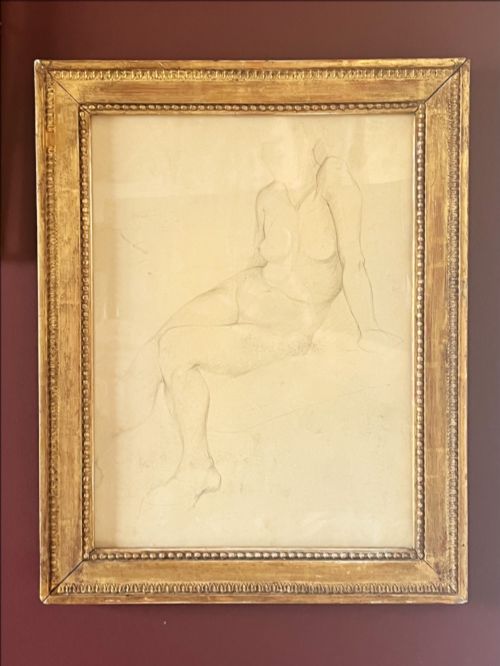
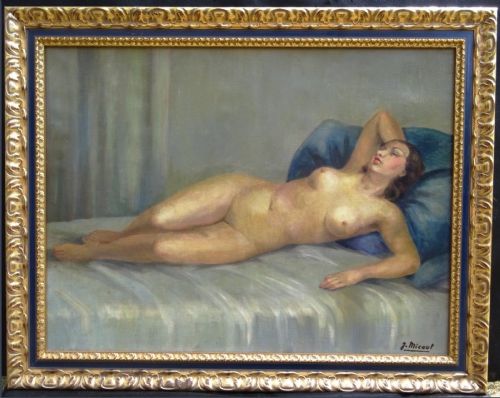
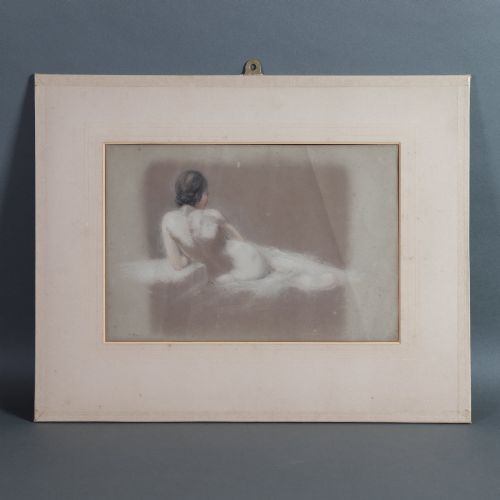
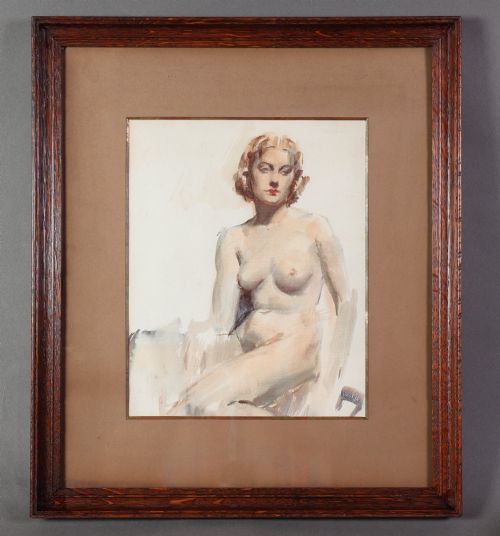
Two-dimensional works employ traditional media including oil on canvas, oil on board, charcoal, pencil, and mixed media. Photographic examples utilise hand-tinting processes applied to black and white prints to add colouration.
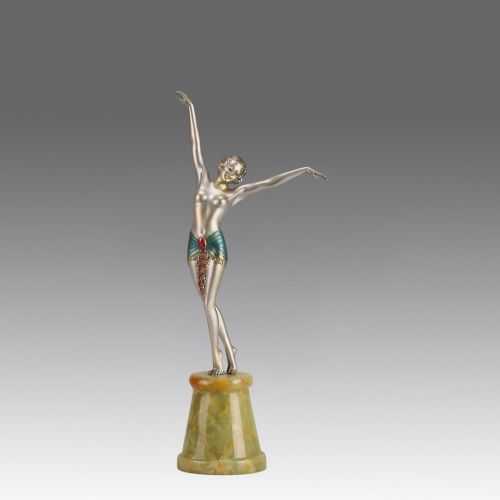
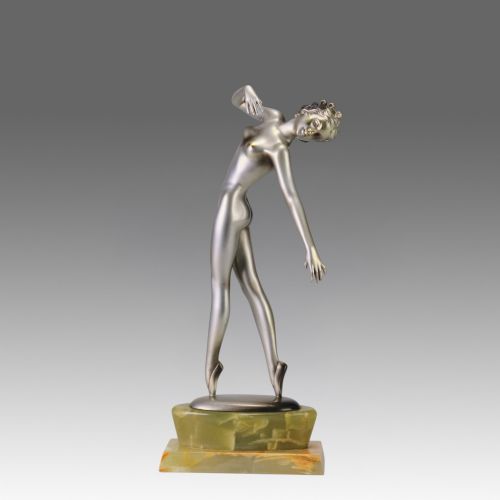
The selection includes academic oil paintings, Art Nouveau bronzes, Art Deco spelter figurines, and charcoal life drawings.
Distinctions in quality
The refinement of the casting and the crispness of the chase work separate standard metal figures from superior bronzes. Master founders and identified sculptors achieved greater anatomical nuance and subtlety in expression.
In painted and drawn works, anatomical proportion, confident brushwork, and the handling of light define the strength of the piece. Studies by documented academic artists demonstrate a deeper command of tone and line than anonymous school works.
The preservation of original patination, cold-painted colours, or period frames influences the integrity of the object. Works retaining their intended combination of mixed media or original mounting display greater historical completeness.
Rudolf Küchler·Ferdinand Barbedienne·Ferdinand Preiss·William Etty·E Villanis·Josef Lorenzl·Demetre Chiparus·Julian Mandel·Bergman Vienna·Raymond Moritz·André Charles Voillemot·Gaetan Dumas·Allan Douglas Davidson·Lucille Sevin·Pierre-Paul Prud'hon·Fritz Kochendorfer·Hector Lemaire·S Kinsburger·Aristide Maillol·Anders Zorn·Hebrard·Olof Ahlberg·Mariette Lydis·Raymond Veysset
The Antique Female Nude Glossary
- Cold-painted bronze
- A technique where paint is applied to a bronze object without heat-firing, common in Austrian foundry work. This finish is delicate and prone to flaking if handled improperly.
- Patinated bronze
- Metal treated with chemical solutions to produce a specific surface colour or aged appearance. The resulting tone protects the metal and defines the visual mood of the sculpture.
- Spelter
- An alloy of zinc and lead used as a less expensive substitute for bronze in decorative figures. It takes detail well but possesses less structural strength than true bronze.
- French Academic style
- The highly polished artistic standard promoted by the Académie des Beaux-Arts in Paris. It emphasises mythological subjects, smooth finishes, and strict anatomical correctness.
- Intimist
- An artistic approach focusing on private, domestic interiors and quiet daily moments. These scenes often capture figures in unposed, reflective postures.
Antique Female Nude: Frequently Asked Questions
How do I identify Art Deco nude sculptures?
Art Deco pieces typically feature stylised geometries, streamlined silhouettes, and materials such as ivory, cold-painted bronze, or spelter. They often date from the 1920s and 1930s and reflect modern dance or athletic movement.
Foundry marks and signatures stamped into the base frequently point to specific Austrian or French workshops of the period.
What is cold-painted bronze?
Cold-painting involves applying multi-coloured oil or enamel paints to a bronze casting without subjecting the piece to high-temperature firing. This technique was particularly popular in Vienna during the late nineteenth and early twentieth centuries.
Because the paint sits on the metal surface rather than fusing with it, these pieces require careful handling to preserve the finish.
Are nude paintings from the 19th century different from 20th-century works?
Nineteenth-century paintings generally adhere to academic, romantic, or neoclassical conventions with mythological themes and blended brushwork. Twentieth-century examples often embrace impressionist, modernist, or realist interpretations with looser application.
The context of the school or academy training usually dictates the level of anatomical idealism present in the work.
How should I clean antique bronze sculptures?
Antique bronzes require gentle dusting with a soft, dry brush to prevent the accumulation of abrasive particles. Avoid using water, household cleaners, or chemical polishes, as these can strip the original patination.
Preserving the surface skin maintains both the historical character and the long-term stability of the metal.