





Art Deco Martini Mixer
An art deco martini mixer brings kinetic elegance to the home bar through striking geometric forms and gleaming metallic surfaces.
Art Deco Martini Mixer
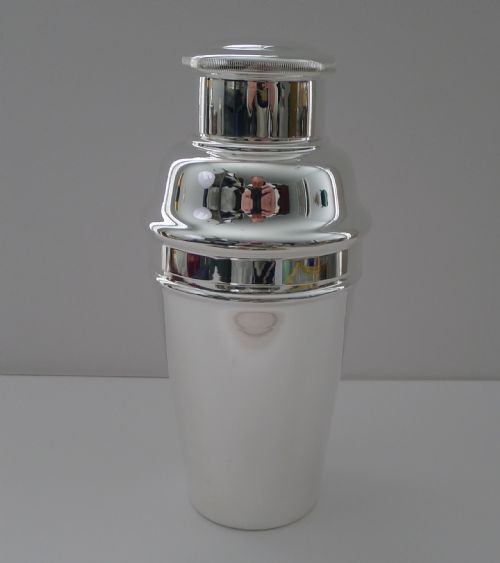
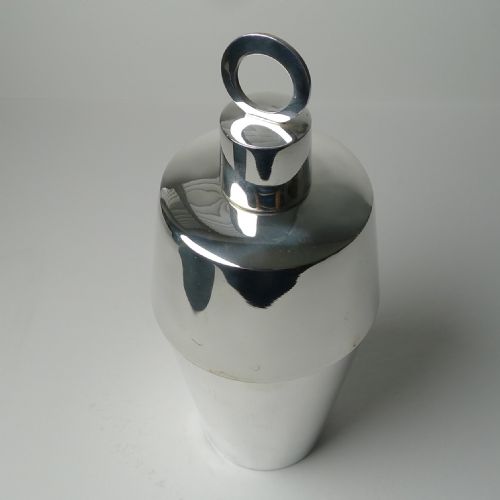
An art deco martini mixer represents the pinnacle of interwar barware design, merging functional cocktail preparation with the streamlined aesthetics of the 1920s, 1930s, 1940s, and 1950s. These vessels take the form of cocktail shakers and barware, often appearing as tall, sleek cylinders or bottle shapes designed for efficient mixing.
The versions most commonly met on this page span British, French, Swiss, American, and Scandinavian workshops. They arrive in various capacities, ranging from compact one-pint vessels to large multi-pint editions designed for larger gatherings.
Many examples incorporate clever mechanical functions within the lid or body, such as integral lemon squeezers, built-in ice breakers, or rolling mixer recipes. These additions elevate the pieces from simple containers to sophisticated instruments of hospitality.
Materials and Construction
The construction relies heavily on metalworking traditions, utilising silver plate, electroplated nickel silver, EPNS, base metal, and sterling silver. Artisans shaped these metals into cylindrical or bottle profiles, frequently applying decorative surface treatments.
Surface ornamentation often includes engine turned patterns that catch the light, hammered textures, and occasionally guilloche enamel details. Cut glass elements sometimes combine with metal mounts to provide visual contrast in the vessel body.
The listings show pieces dated across the nineteen-twenties, thirties, forties, and fifties, executed primarily in silver plate and sterling silver.
Assessing Quality and Distinction
Quality in these mixers rests upon the weight of the metal, the precision of the mechanical fittings like integral lemon reamers or secure lids, and the pedigree of the silversmith. Pieces produced by established makers demonstrate superior balance and robust gauge metals that retain their structural integrity.
Hukin & Heath·Adie Brothers·Mappin & Webb·William Suckling·William Hutton·David Andersen·Tuttle
The Art Deco Martini Mixer Glossary
- Engine turned
- A decorative technique involving precise geometric patterns mechanically engraved into a metal surface. This process creates a textured finish that diffuses light across the body of the vessel.
- EPNS
- An abbreviation for electroplated nickel silver, denoting a base metal core coated with a layer of pure silver. It provided a durable and lustrous finish for domestic barware.
- Guilloche enamel
- A decorative process where enamel is applied over a guilloche metal background, allowing the patterned engraving to show through a translucent coloured layer. It adds vibrant colour to precious metal pieces.
- Integral lemon squeezer
- A built-in citrus reamer fitted into the top section or lid of the vessel. This mechanism allowed hosts to express fresh juice directly into the cocktail mixture during preparation.
Art Deco Martini Mixer: Frequently Asked Questions
What is an art deco martini mixer?
An art deco martini mixer is a specialised metal or glass vessel designed for chilling and combining spirits during the interwar period. These objects combine practical bar utility with distinctive modernist design.
They typically feature removable tops, built-in strainers, and occasionally internal mechanisms like ice breakers or citrus reamers. Their primary function was the efficient preparation of cocktails in stylish domestic settings.
How were these mixers used?
Hosts utilised these vessels to mix cocktails by combining spirits, vermouth, and ice before pouring the chilled drink into glasses. The integrated strainers held back the ice during service.
Many examples included specific functional elements such as rolling recipe cylinders or citrus squeezers built directly into the lid assembly. This allowed the person mixing drinks to measure, juice, and shake using a single unified tool.
How do I live with silver plated barware?
Living with silver plated barware involves regular, gentle cleaning to maintain the reflective shine of the metal without wearing away the underlying plating. Soft cloths and non-abrasive polishes keep the surfaces bright.
These pieces sit well on sideboards, drinks trolleys, or bar cabinets as functional display items. They bring period character to modern interior schemes while remaining entirely usable for entertaining.
How can I tell the period of a shaker?
The period is generally indicated by the manufacturing hallmarks, the specific style of the geometric decoration, and the construction methods used on the metal body. Items from the nineteen-twenties and thirties often favour extreme streamlining.
Post-war examples from the nineteen-forties and fifties display subtle shifts in proportion and ornamentation. Maker marks stamped into the base or rim provide the most reliable guide to precise dating.