







English Silver Shaker
When you handle an english silver shaker, you hold a piece that spans formal dining tables and bustling cocktail bars.
English Silver Shaker
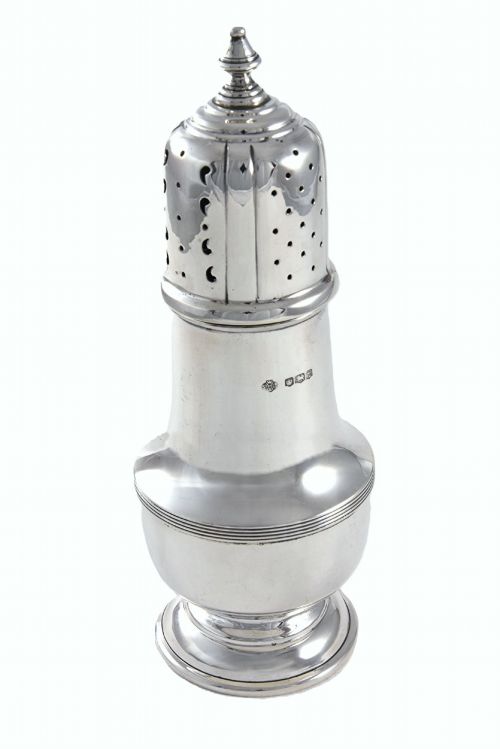
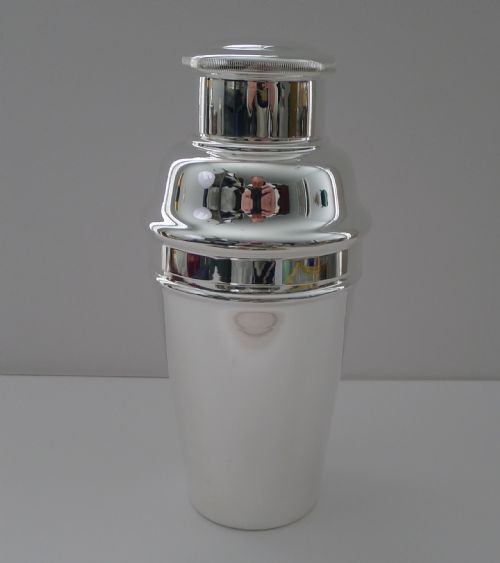
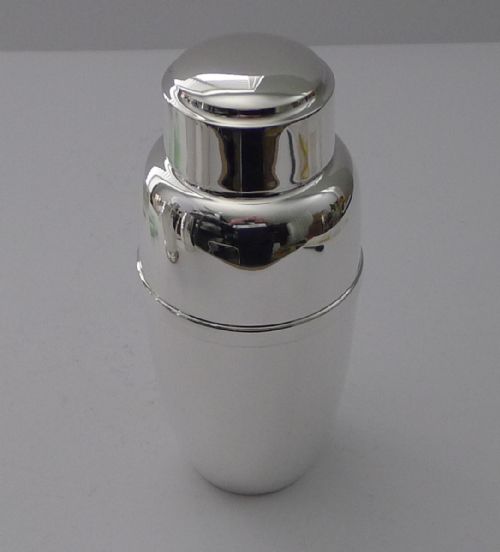
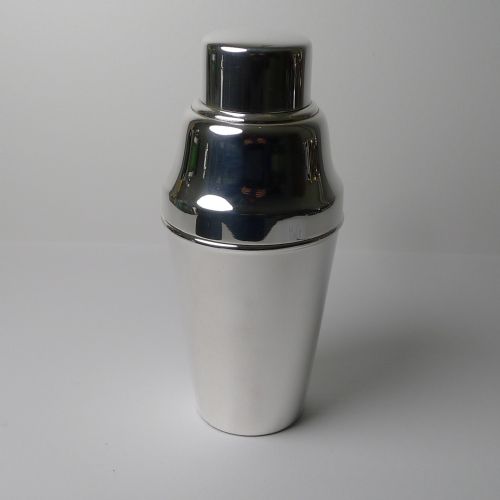
An english silver shaker encompasses both tall sugar casters for the dining table and robust cocktail mixers for the bar. The selections range from early eighteenth century castors to mid-twentieth century Art Deco cocktail vessels.
Sterling silver examples cater to formal table settings, while silver-plated vessels dominate the cocktail and barware categories. Makers from Birmingham and London produced these pieces across Victorian, Edwardian, and modern periods.
Materials and Technique
Silversmiths formed the earlier sugar casters from solid sterling silver, often utilising cast and pierced techniques for the tops. Later cocktail shakers rely heavily on silver-plated metal, electroplated nickel silver, and occasional glass bodies.
Manufacturers applied mechanical enhancements like engine-turned geometric patterns, sleeve tops, and rotating recipe bands to the metal bodies. Interior components frequently incorporate glass sections and fitted metal strainers.
Some cocktail shakers double as miniature libraries, featuring rotating recipe sleeves that dispense cocktail formulas alongside the ice.
Standards of Production
The distinction between ordinary and exceptional pieces lies in weight, gauge of metal, and the crispness of piercing or engine-turning. Thicker gauge silver and heavy silver plating retain their structural integrity and surface decoration far better over decades of use.
Design complexity also separates standard items from the finest examples, particularly in cocktail shakers that incorporate functional mechanisms like built-in ice breakers and rotating drink recipes.
Wilmot Manufacturing Co.·William Suckling·Hukin and Heath·C S Green and Co·Mappin and Webb·Elkington and Co·James Dixon and Sons
The English Silver Shaker Glossary
- Caster
- A small container with a pierced lid used for sprinkling sugar or condiments over food. These form the earliest domestic iterations of the shaker.
- Engine-turned
- A decorative technique involving precise geometric patterns engraved mechanically into the metal surface. This finish is characteristic of Art Deco barware.
- Cruet set
- A matched group of bottles or shakers held in a stand for condiments and sauces. They appear frequently in silver plate and sterling silver.
- Silver plate
- A thin layer of silver bonded to a base metal such as nickel silver. Most twentieth-century cocktail shakers utilise this method for durability.
- Armorial
- A coat of arms engraved onto the surface of early silver pieces. These heraldic devices indicate original ownership by notable families.
English Silver Shaker: Frequently Asked Questions
How do I identify an Art Deco shaker?
Art Deco shakers present geometric forms, streamlined silhouettes, and engine-turned surface patterns. They date predominantly from the nineteen-twenties and nineteen-thirties.
These pieces frequently incorporate functional innovations like integral lemon squeezers, recipe bands, or ice breakers.
Are silver plated shakers durable?
Silver-plated shakers from established makers utilise robust base metals like electroplated nickel silver. They withstand regular handling and mixing when cared for properly.
The thickness of the original plating determines how well the surface resists wear over time.
How are integrated mechanisms cleaned?
Integrated mechanisms such as rotating recipe sleeves and lemon squeezers require gentle rinsing in warm soapy water. Avoid harsh abrasives that damage plated surfaces or maker marks.
Dry all internal components thoroughly to prevent moisture retention in hidden joints.
What do hallmarked dates indicate?
Hallmarks on sterling silver pieces provide official assay office marks, maker initials, and date letters. These stamps verify the exact year of manufacture and metal purity.
Silver-plated items rarely carry full hallmarks, relying instead on maker stamps and trade marks.