










Art Deco Marble Base
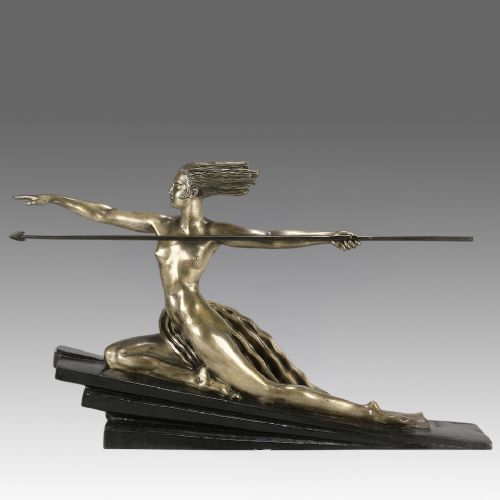
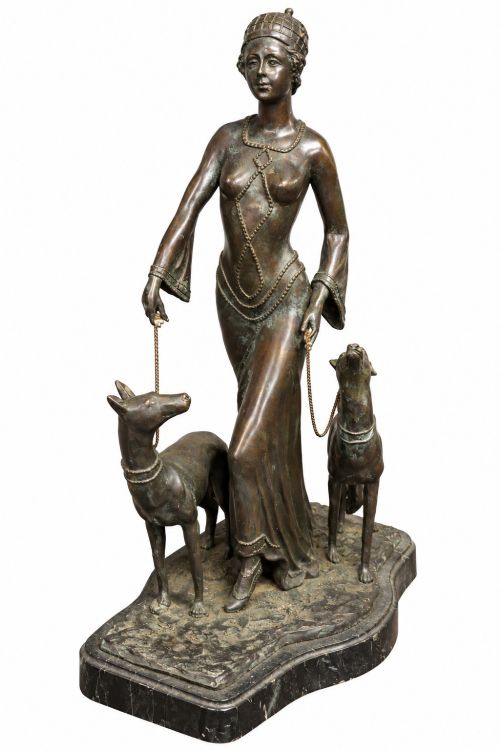
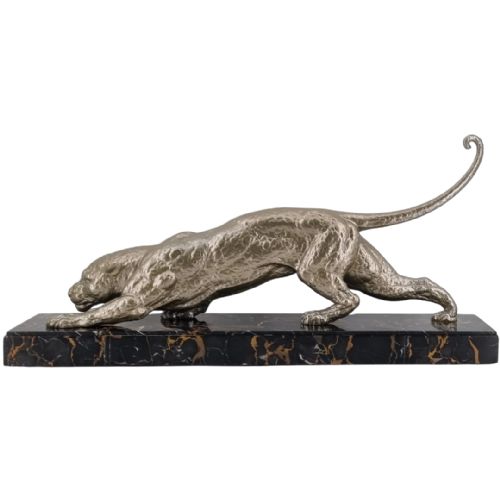
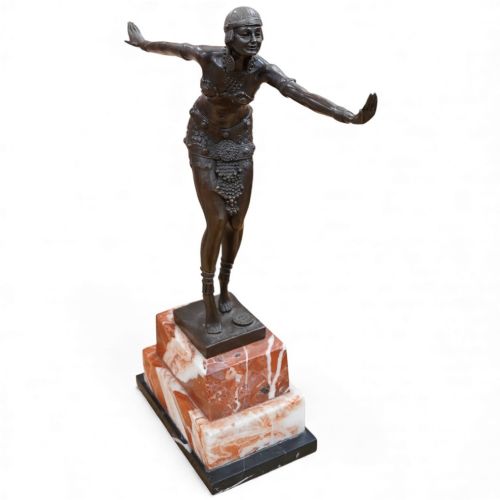
These pieces featuring an art deco marble base anchor figurative bronzes, lighting, and animals firmly to their period.
Art Deco Marble Base
When you search for art deco marble base, you encounter a distinct category of decorative metalwork and sculpture produced primarily during the 1920s and 1930s. The plinth provides necessary weight and geometric contrast for the dynamic figures mounted upon it.
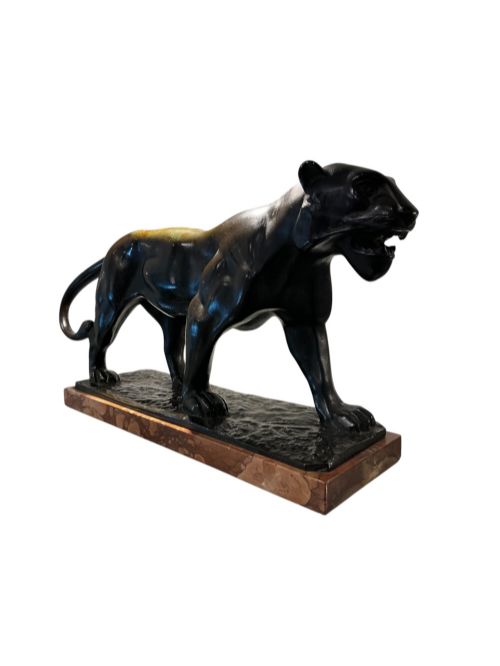
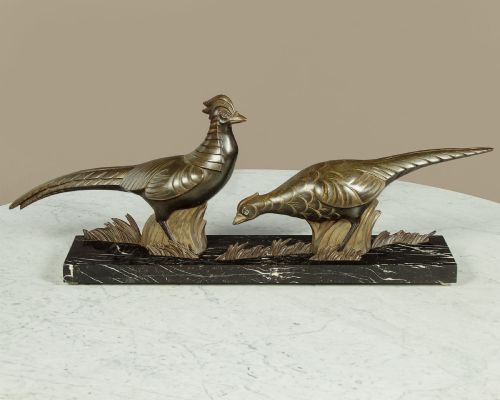
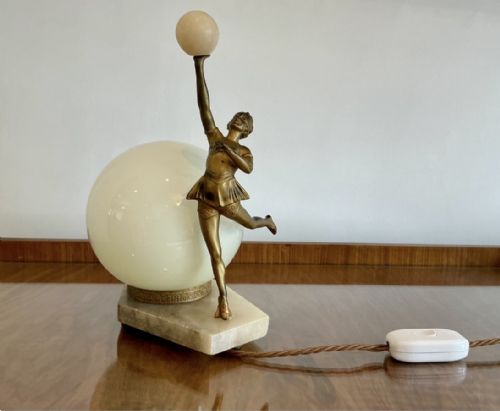
The versions most commonly met on this page include bronze or spelter figures of dancers, athletes, and animals such as panthers, hounds, and birds. Table lamps combining metal figures with glass or opaline shades also appear frequently.
Originating predominantly from French and European workshops, these objects combine naturalistic figurative casting with the architectural geometry of the period. The stone foundation serves both a structural purpose and an aesthetic role in completing the composition.
Materials and casting methods
Foundry work of this era relies heavily on bronze and spelter cast via traditional methods, often augmented by cold-painted finishes, silvering, or gilt. Figures are securely bolted to heavy slabs of black marble or variegated onyx.
The stone bases are typically cut into stepped, geometric, or streamlined slabs that reflect the architectural tastes of the period. Artisans selected contrasting marbles to complement the patinated metal figures mounted above.
Art Deco Marble Base Retail Price Guide 2026
Typical asking prices for art deco marble base among the pieces listed under this phrase on Sellingantiques today, from the lower quarter to the upper quarter. They describe what is for sale here now, not the wider market.
Watch for cold-painted budgerigars perching near your reading lamp.
Factors separating standard examples from finer works
Quality in these pieces rests primarily on the crispness of the metal casting and the fidelity of the chasing work on the figures. Finer sculptures retain sharp facial expressions, detailed drapery, and subtle surface patination.
The selection and finish of the stone plinth also dictate the overall standard, with superior examples utilising dense, well-polished black marble or richly figured specimen stone free of clumsy repairs.
Georges Gori·D. H. Chiparus·Jean de Roncourt·Maurice Giraud-Rivière·Bruno Zach·Pierre Collinet·Demetre Chiparus·Aurore Onu·Zoldan Kovats·Georges-Charles Coudray·Gotthilf Jaeger
The Art Deco Marble Base Glossary
- Spelter
- A zinc alloy commonly utilised as a less costly alternative to bronze during the period. It accepts patination and cold-painted finishes readily.
- Patinated metal
- Metal treated with chemical solutions to produce a specific surface colour or aged finish. This technique enhances the depth of figurative details.
- Onyx
- A banded variety of chalcedony frequently used alongside or in place of marble for decorative lamp bases and plinths. Its translucent qualities catch the light.
- Pietra dura
- An artistic technique involving the inlay of cut and fitted slices of coloured stones into a background. Italian examples demonstrate this intricate stonework.
- Cold-painted
- A method of applying non-fired paint to metal sculptures, typical of Austrian and French animalier bronzes. This finish requires careful preservation to avoid flaking.
Art Deco Marble Base: Frequently Asked Questions
Are these lamps safe to use today?
Many period lamps retain older wiring that may not meet modern safety standards. Have a qualified professional inspect the internal cord and lampholder before regular use.
Original sockets and switches should be preserved where possible during any rewiring. This maintains historical integrity while ensuring domestic safety.
Why are some figures made of spelter instead of bronze?
Spelter offered a more economical medium for manufacturers responding to broader consumer demand during the interwar years. It allowed smaller workshops to produce accessible decorative objects.
While less durable than bronze, well-preserved spelter figures display comparable sculptural detail and distinct period charm.
How can I tell if the marble base is original?
Examine the underside of the stone for matching drill holes, appropriate mounting bolts, and natural wear consistent with age. Period bases typically show identical patination and mounting methods to the metalwork above.
Replacement bases often feature modern fixings or stone types uncharacteristic of the 1920s and 1930s.