





Art Deco Makeup Mirror
An art deco makeup mirror brings geometric elegance to a dressing room, combining sleek metal and polished woods.
Art Deco Makeup Mirror
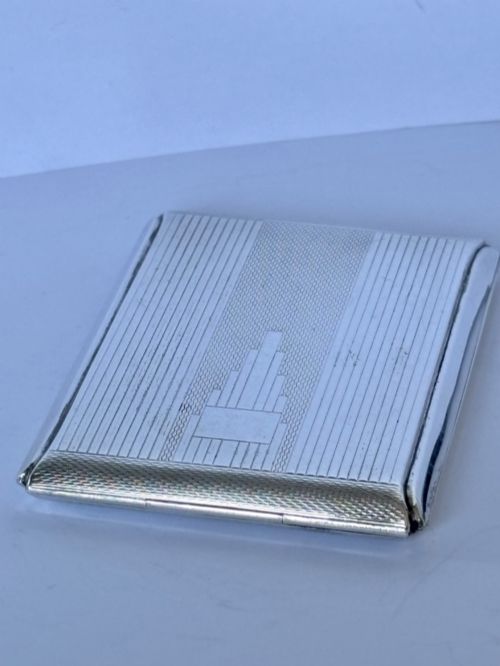
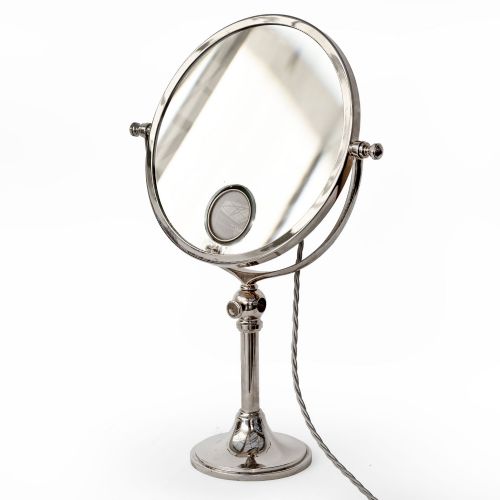
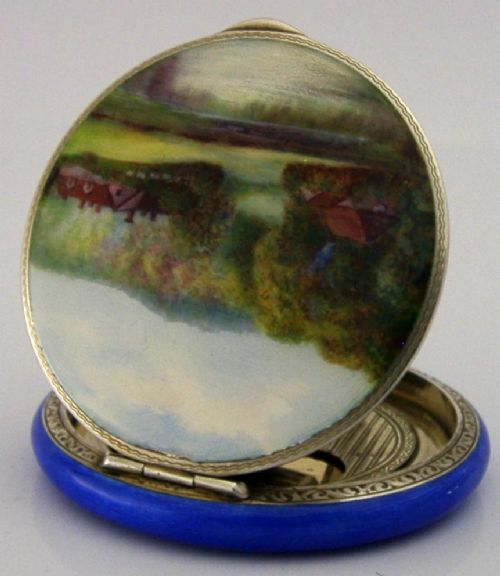
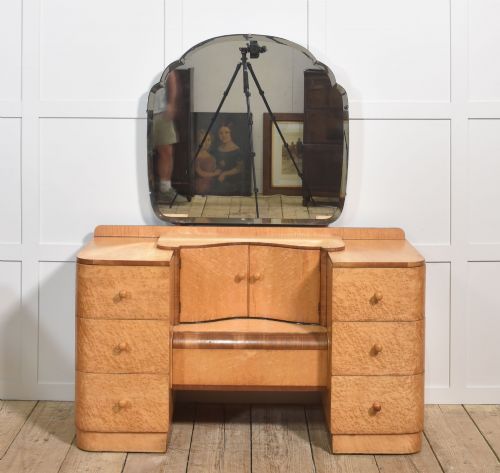
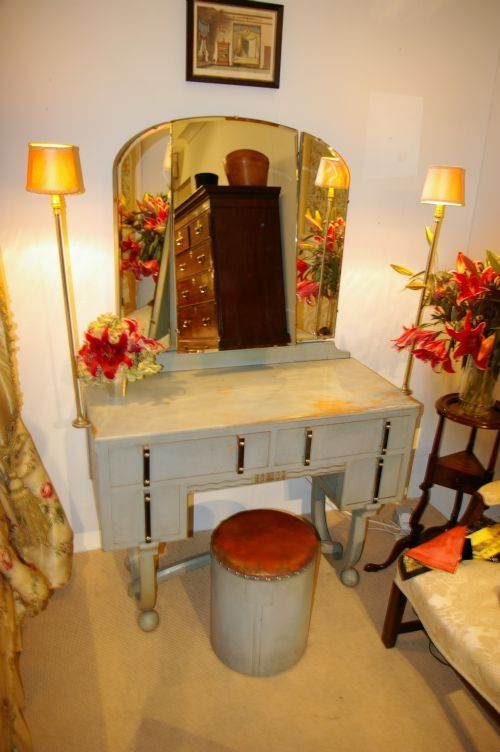
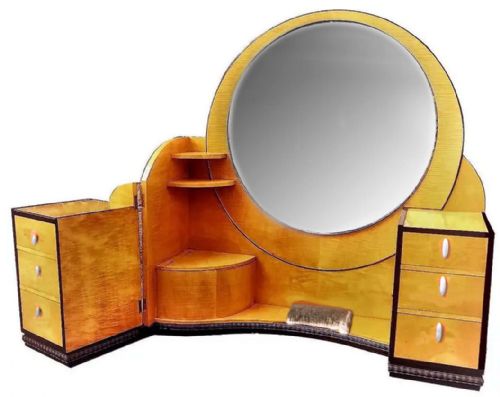
When you search for an art deco makeup mirror, you encounter dressing table mirrors, compact cases, and vanity mirrors dating mainly from the 1920s and 1930s. These pieces range from small handheld powder compacts to large pedestal dressing tables incorporating substantial mirror glass.
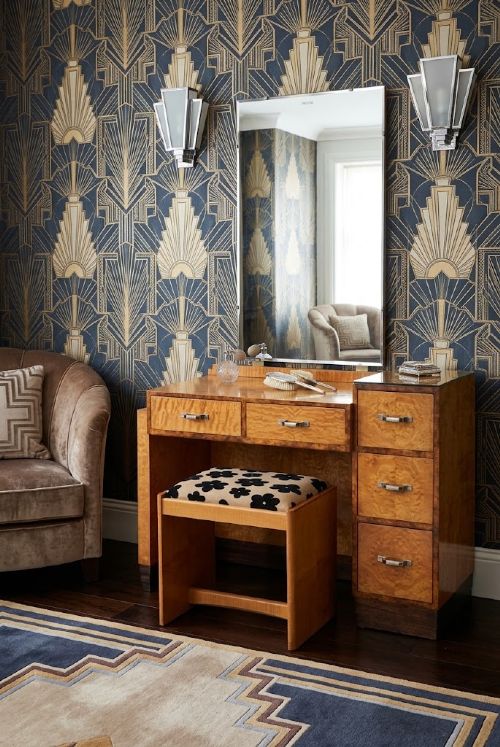
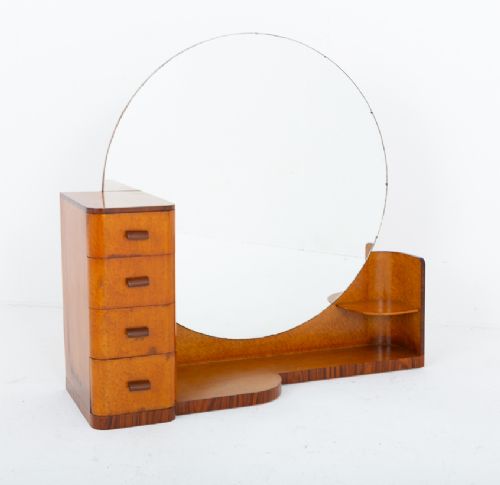
The version you are most likely to meet on this page is the walnut dressing table with an integrated mirror, or a pocket-sized compact featuring enamel and chrome. Makers utilised woods like burr walnut and birds eye maple to frame the reflective surfaces in distinct modernist shapes.
Objects span from compacts with hand-painted enamel to large oak and maple vanity tables created by notable designers. The smaller items provide functional portability, whilst the furniture pieces anchor a bedroom scheme with characteristic period geometry.
Materials and construction
Craftsmen shaped these items using woods such as walnut, burr walnut, oak, and birds eye maple, often pairing them with brass, chrome, and sterling silver. Enamel and glass provide the colourful panels and reflective surfaces central to the style.
Makers integrated mirror glass into hinged easel backs and wooden frames, whilst compacts utilised stamped metal mesh and suede linings. Surface ornamentation relied on hand-painted details and colourful enamelwork rather than heavy carving.
Art Deco Makeup Mirror Retail Price Guide 2026
Typical asking prices for art deco makeup mirror among the pieces listed under this phrase on Sellingantiques today, from the lower quarter to the upper quarter. They describe what is for sale here now, not the wider market.
Listings feature items from the 1900s, 1920s, and 1930s, utilising materials such as Bakelite, enamel, and burr walnut.
Judging the quality
The calibre of an art deco makeup mirror rests on the selection of figured veneers and the precision of the metalwork. Pieces utilising burr walnut or birds eye maple demonstrate superior material choice compared to plain timber carcases.
Execution of the enamel and the crispness of the geometric lines distinguish standard production from exceptional pieces. Signed works by recognised makers demonstrate higher levels of refinement in both joinery and finishing.
Maurice Adams·Harry and Lou Epstein·Richard Hudnut·Betty Joel·Rowley Gallery
The Art Deco Makeup Mirror Glossary
- Burr walnut
- A highly figured wood veneer showing intricate swirling patterns formed from tree growths. It provides a decorative surface favoured by twentieth-century cabinet makers.
- Bakelite
- An early synthetic plastic used for decorative mounts and small containers. Its durability made it popular for vanity accessories.
- Vanity case
- A portable container designed to hold cosmetics and personal items. These often include internal mirrors and compartments.
- Enamel
- A glassy substance fused to metal through firing to provide colourful decoration. It appears frequently on compact lids.
- Pedestal dressing table
- A large vanity furniture piece featuring storage columns on one or both sides. These units typically support a fixed or adjustable mirror.
Art Deco Makeup Mirror: Frequently Asked Questions
What materials make up an art deco makeup mirror?
These pieces combine mirror glass with metals like brass, chrome, and sterling silver, alongside colourful enamel.
Cabinet pieces incorporate woods such as walnut, burr walnut, oak, and birds eye maple for their distinct grain patterns.
How do I date a compact or mirror?
Dating relies on stylistic markers from the 1920s and 1930s, such as geometric symmetry and specific synthetic materials.
Maker signatures or hallmarks on silver and enamel items also provide precise periods of manufacture.
Where were vanity items used historically?
Larger mirrors and dressing tables belonged in domestic bedrooms for daily grooming and toilette routines.
Smaller compacts and vanity cases were carried in pockets or handbags for outdoor use during social occasions.
How do I care for antique glass and wood?
Wood surfaces benefit from occasional waxing to maintain the lustre of veneers like burr walnut and maple.
Mirror glass and metal frames require gentle cleaning with dry or slightly damp cloths to protect delicate enamelling.